
当社の本社は中国広東省にあり、2015年から国内市場(10.00%)、欧州(40.00%)、米国(10.00%)、日本(10.00%)に販売しています。

 著者
著者

Motion sensor trash cans use a sensing device, control board, and powered lid mechanism to open without hand contact. Reliability depends on how those parts work together in the real placement, not on the sensor label alone. A B2B buyer should check the sensing zone, power source, lid clearance, operating modes, and local user behavior before approving a model for bulk purchase.
A typical motion sensor trash can follows a short control chain: detect an approaching object, convert that change into an electrical signal, command the drive, open the lid, and close it after the trigger clears. Buyers should ask which sensing architecture a model uses because products marketed as motion activated do not all use the same components or detection logic.
Many touchless bins use reflective infrared proximity sensing. An emitter sends invisible light toward the target area, while a receiver measures light returned by an object. Infrared presence detection standards describe the general principle as an emitter-receiver system in which interrupted or reflected light changes the receiver output. General optoelectronic principles also identify reflected light as a basis for presence detection.
The sensing zone matters because intended hand movement and background activity can enter the same area. A touchless trash can facing a busy aisle may behave differently beside a wall. The buyer should validate the exact placement rather than accept a universal performance claim.
The control board interprets the sensor output and commands a motorized lid drive. The lid style then determines the required clearance: a flip lid moves upward, while a sliding lid travels across the top. A clear path is essential for either design because a liner, wall, shelf, or accumulated waste can obstruct travel even when the sensor works correctly.
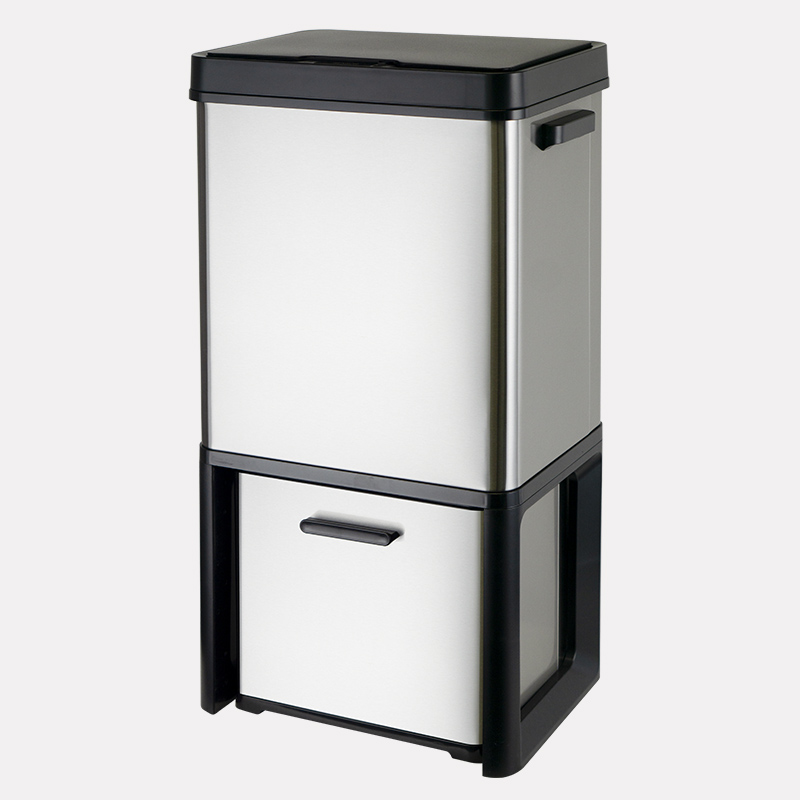
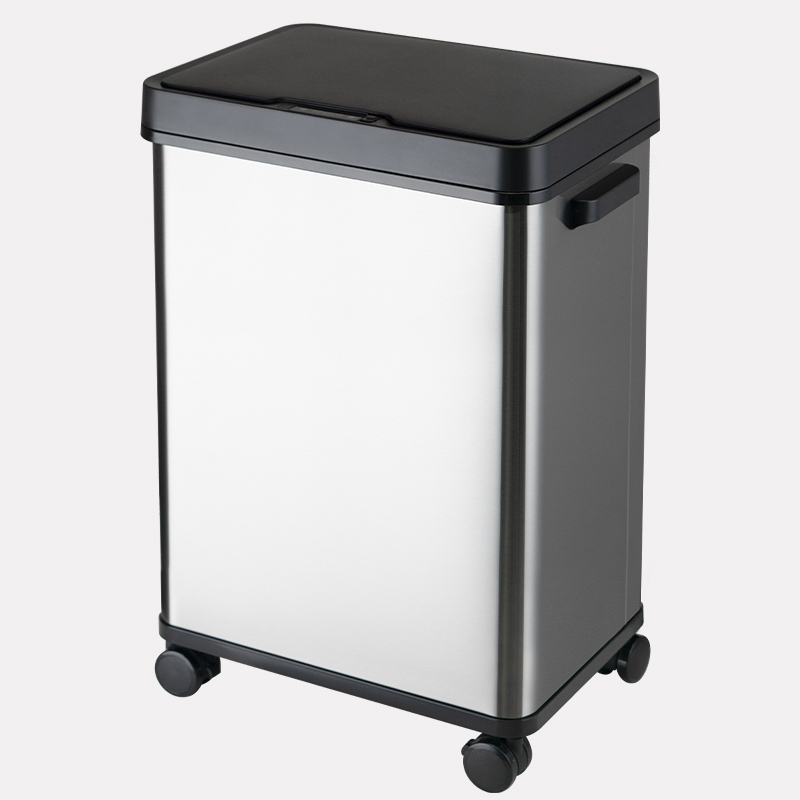
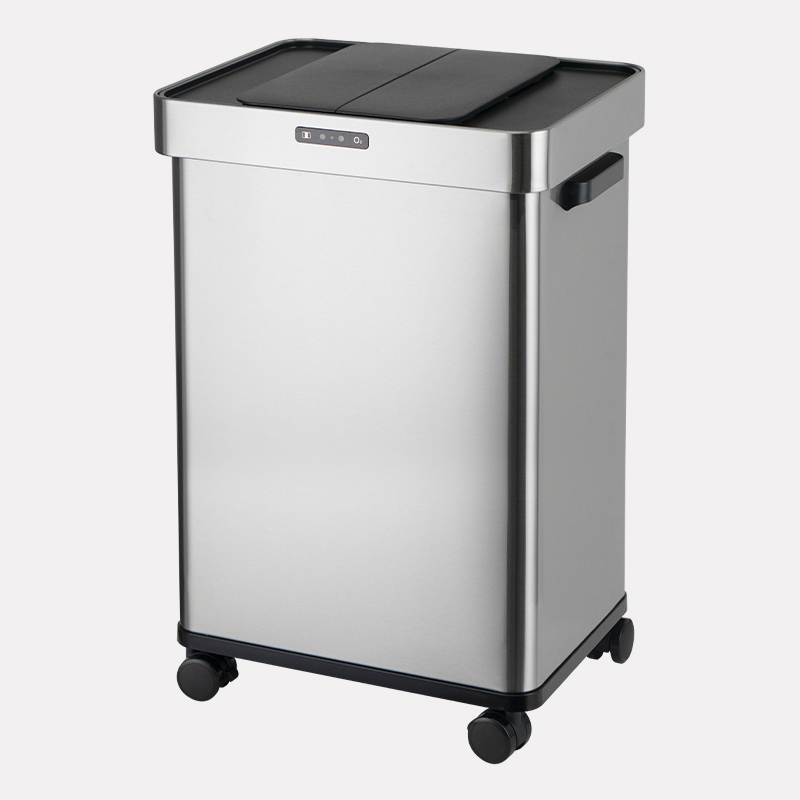
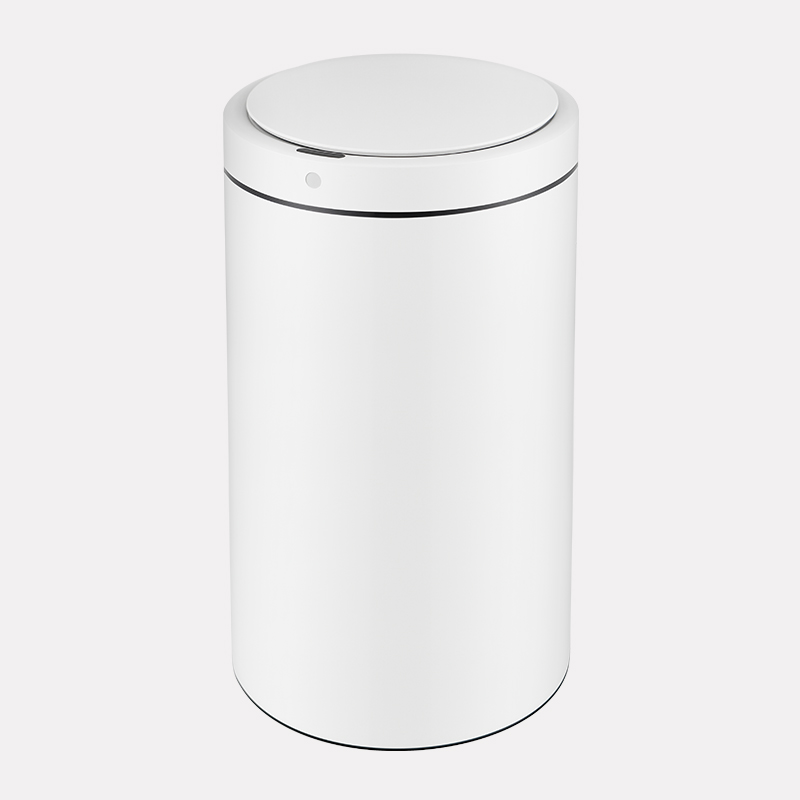
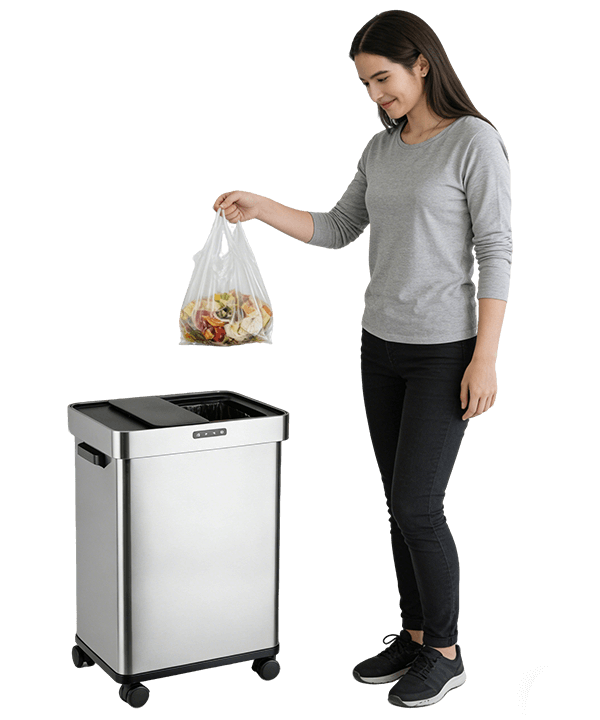
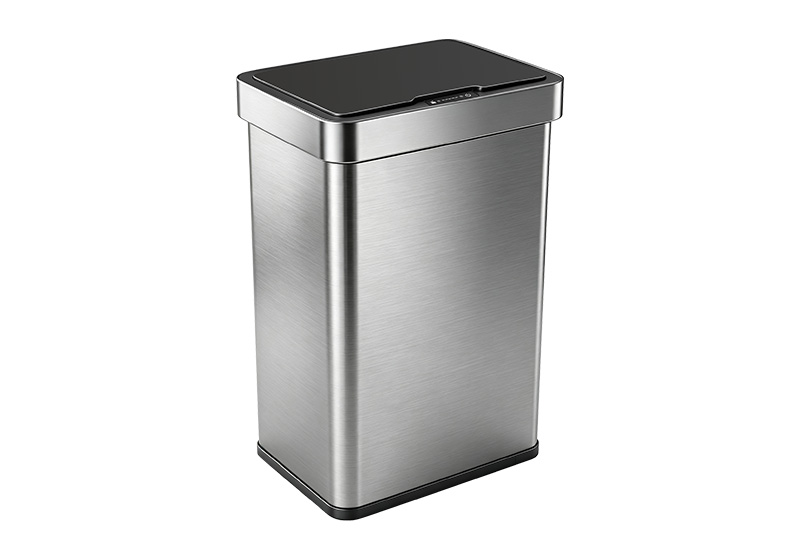
The HN-ZT-W shows how these elements form one product system. This induction-type model uses a quiet sliding lid, offers four operation modes, runs on six AA alkaline batteries, and features an optional ozone deodorization function, garbage bag storage box, and caster wheels. Its 410 stainless steel (with anti-fingerprint coating) and ABS construction is available in 22 L, 30 L, 42 L, and 50 L capacities. These facts apply to HN-ZT-W only, not every automatic sensor trash can.

Field complaints should first be separated into sensing, power, or mechanical-path symptoms. A sensor trash bin may respond to activity inside its detection zone, while a correctly triggered lid may still meet an obstruction. Record the symptom before changing several conditions at once.
| Symptom | Field condition to check first | Buyer verification |
| Opens when nobody is disposing waste | Traffic or objects enter the sensing zone | Reposition the sample and repeat the same approach test |
| Misses an intended hand movement | Hand path, sensor-window condition, or power | Clean the window, confirm power, and repeat from defined positions |
| Lid starts but does not finish travel | Liner, waste, shelf, or wall obstructs movement | Clear the path and operate the lid again |
| Lid reopens or remains open | An object remains in the detection area | Remove the object and test the closing sequence |
False-trigger testing should use the actual site rather than an empty showroom. Doors, counters, staff, and cleaning equipment affect how objects enter the sensing zone. Confirm that the selected placement produces predictable operation for the intended workflow.

A useful pilot tests the complete sensor trash bin in context. Use the planned liner, normal load, final floor position, and intended cleaning routine. More than one operator should participate.
Use a short acceptance sequence that can be repeated after any setup change:
*Mark the intended bin position and the normal user approach.
*Confirm the approved batteries, operating mode, and unobstructed lid path.
*Record intended opens, missed triggers, unintended opens, and incomplete closures.
*Repeat with the destination-market liner and a representative waste load.
*Recheck after moving the unit near the actual counter, wall, doorway, or aisle.
The acceptance sheet should keep sensing and mechanics separate. A cover that catches a liner is not necessarily a sensor fault. If the mechanism moves freely but no command starts, check power, the sensor window, hand path, and placement. This distinction is more useful than calling the smart sensor trash can unreliable.
Service planning is part of reliability. HN-ZT-W lists a 2% extra-lid arrangement for standard orders, alongside free smart cover spares for MOQ 40HQ full-container partners, which buyers should confirm for the exact order volume. The model requires alkaline batteries; the project baseline is four to six months, although operating frequency and site conditions affect replacement timing.
A focused sensor trash bin RFQ should ask for the sensing method, zone, lid mechanism, operation modes, power, exact model capacity, placement limits, sample test plan, and spare-part terms. Evaluate an automatic sensor trash can as a system, not isolated features.
Customization questions also belong in the RFQ. Hi-na Lifestyle supports ODM/OEM programs, including corporate logo customization schemes, but buyers should identify which changes affect the sensing zone, lid mass, control logic, or packing. A changed exterior or lid component may require a new sample check before mass production.
Hi-na Lifestyle can help importers, distributors, and private-label teams review a smart sensor trash can under the intended placement and service routine. Send the target capacity, room layout, liner, expected traffic, and required operating mode so the sample protocol can focus on the conditions that matter before order approval.
No. The result depends on the sensing architecture, detection zone, control logic, and placement. A motion sensor trash can should be tested with intended hand approaches and nearby traffic so the buyer can distinguish useful triggers from unwanted ones.
Nearby people or objects may be entering the sensing zone. Move the touchless trash can away from traffic, doors, or other recurring movement and repeat the same test. If the symptom continues in a controlled position, record it for supplier review.
Neither mechanism is automatically more reliable. Sliding and flip lids need different clearances and should be matched to the location. Reliability depends on the complete design, unobstructed travel, power, assembly, and validation of the specific model.
次の表に記入してください。できるだけ早く返事します。