
当社の本社は中国広東省にあり、2015年から国内市場(10.00%)、欧州(40.00%)、米国(10.00%)、日本(10.00%)に販売しています。

 著者
著者
Kitchen waste can create unwanted odors quickly, especially when food scraps, packaging, and daily household waste collect in a limited space. For many households, managing trash-bin odor is not just about taking out the waste more often. The lid structure, opening method, material, and odor-control function can all affect the daily experience.
A smart sensor bin with practical odor-management features can help make kitchen cleanup more convenient and organized. Here are several features worth considering when choosing a kitchen trash can designed to help reduce odor concerns.
The lid design is one of the first details to consider. Each time a bin opens, air movement may allow odors inside the bin to spread into the surrounding kitchen area.
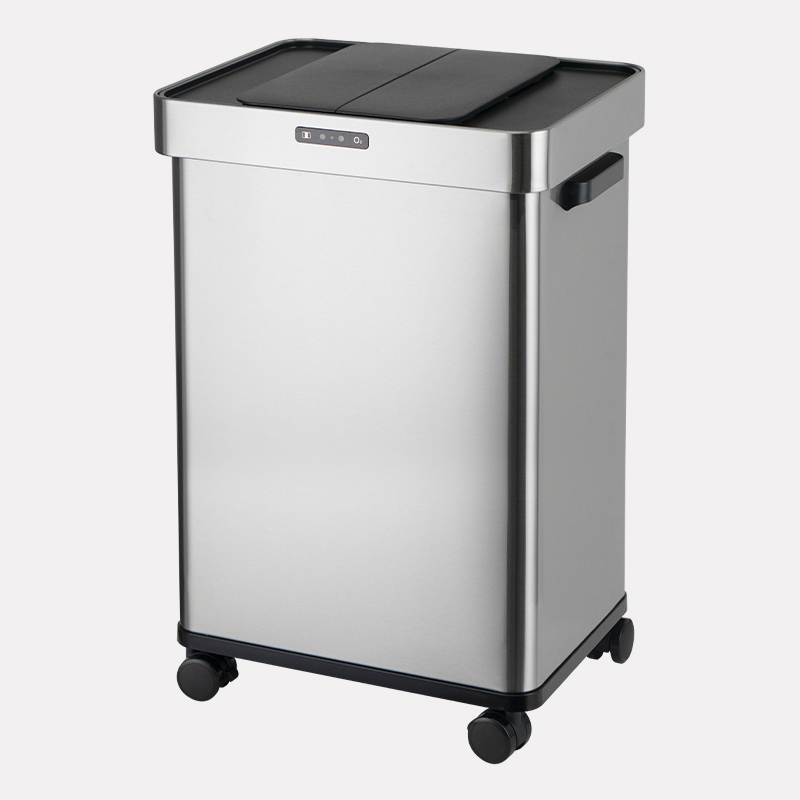
A sliding lid can help reduce this effect. Instead of lifting upward like a traditional flip lid, the lid moves smoothly across the opening. This structure can help limit air movement during opening and closing, while also keeping the bin covered when it is not in use.
For kitchens where the bin is placed near a food-preparation area, dining table, or walkway, a well-fitted sliding lid can be a useful feature.
Food waste such as fruit peels, leftovers, seafood packaging, and other kitchen scraps may produce noticeable odors over time. An ozone deodorizing function is designed to support odor management inside the bin.
On selected Hi-Na Lifestyle smart sensor bin models, users can press and hold the ozone function button for three seconds to start the deodorizing cycle. The LED indicator turns green, the lid closes automatically, and ozone is released inside the bin for five minutes.
Ozone, also known as O3, has oxidation properties that can react with certain odor-causing substances. After the reaction, ozone gradually converts back into oxygen. This function is intended for use inside the closed bin and can be a practical addition for households that manage food waste regularly.
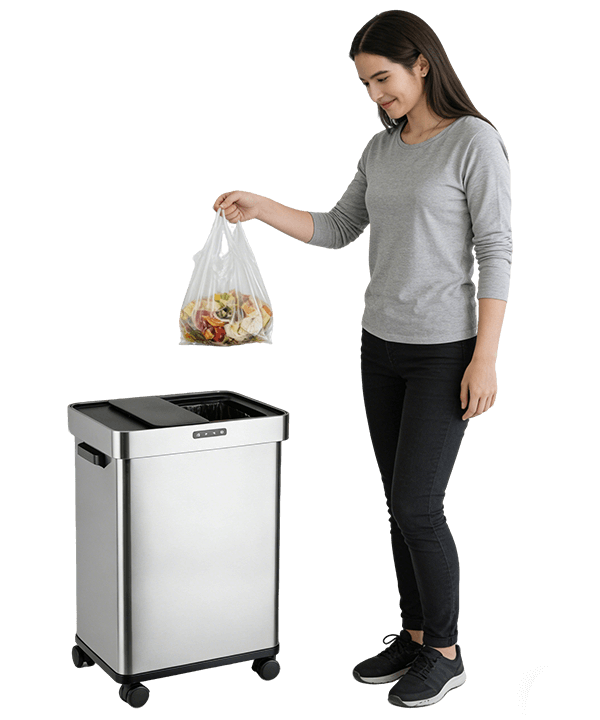
When cooking, hands may be wet, carrying ingredients, or covered with food residue. A hands-free opening system allows users to dispose of waste without touching the lid directly.
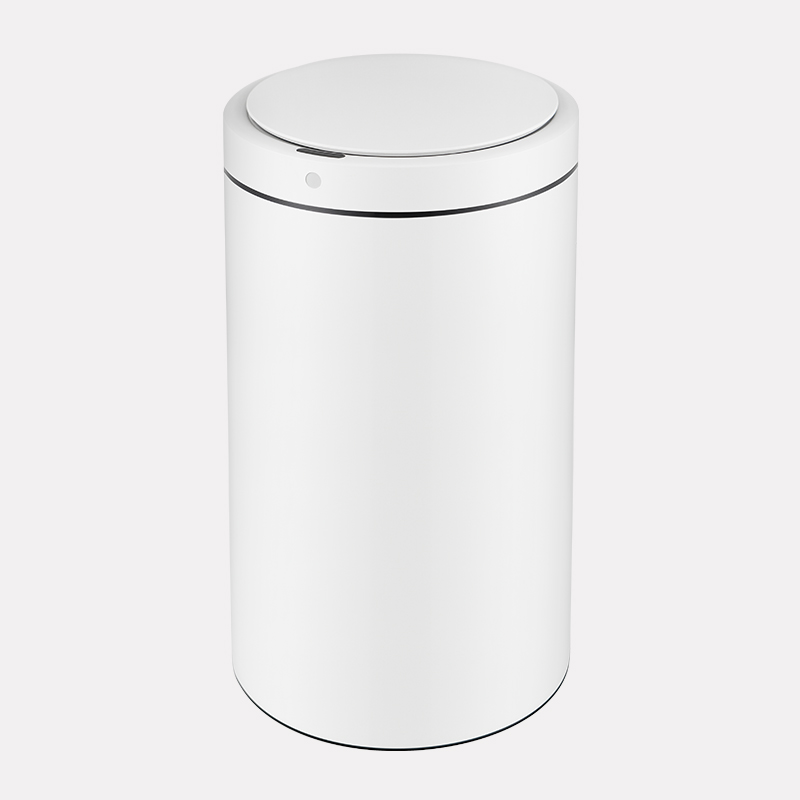
Hi-Na Lifestyle smart sensor bins use a motion sensor positioned at the front of the bin. When a hand, object, or person enters the sensing range, the lid opens automatically. When the object leaves the sensing area, the lid closes after a short delay.
This can make common kitchen tasks easier, including clearing vegetable scraps, disposing of used paper towels, or handling waste during meal preparation.
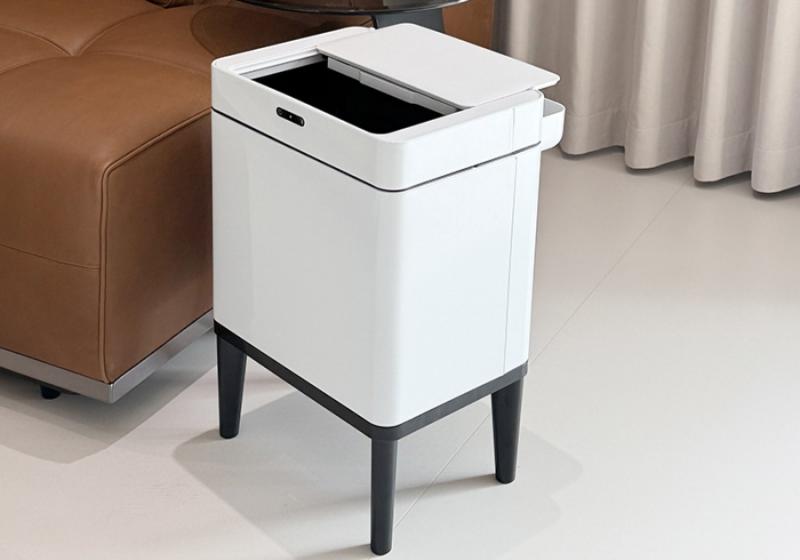
A kitchen bin may be placed beside a cabinet, under a counter, near a dining area, or along a narrow walkway. In these situations, a fixed sensing distance may not always suit the available space.
Hi-Na Lifestyle smart sensor bins support three adjustable sensing distances:
• 10 cm
• 20 cm
• 30 cm
A shorter sensing distance can be useful in narrow areas where people frequently pass by. A wider sensing distance may be more convenient when users want quick hands-free access while cooking.
By selecting a suitable sensing distance, users can help reduce unnecessary lid openings and support more efficient daily use.
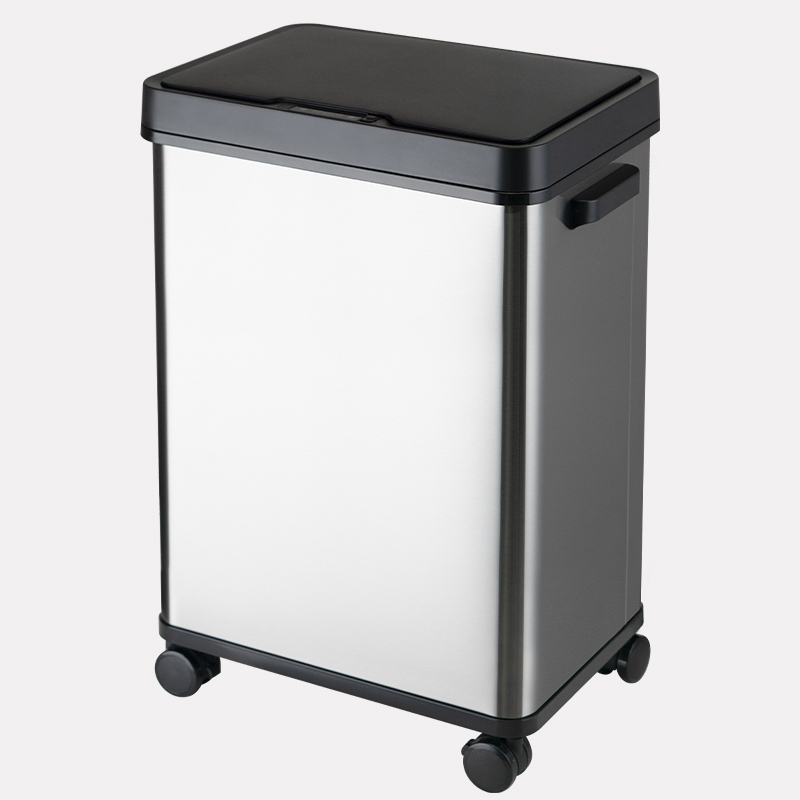
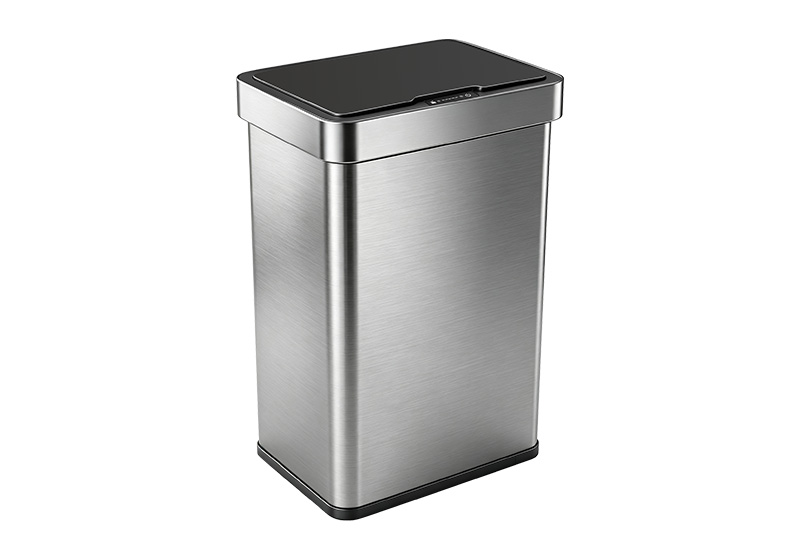
Kitchen bins are exposed to moisture, food residue, fingerprints, and occasional splashes. A stainless steel body is often a practical choice because it is designed to be durable, water-resistant, and easier to wipe clean.
A smooth surface can help simplify regular maintenance. For a cleaner appearance, some Hi-Na Lifestyle models also include a bag-fixing ring that helps keep the liner in place and hides excess bag edges inside the bin.
This makes the bin look more organized while helping users replace waste bags more easily.
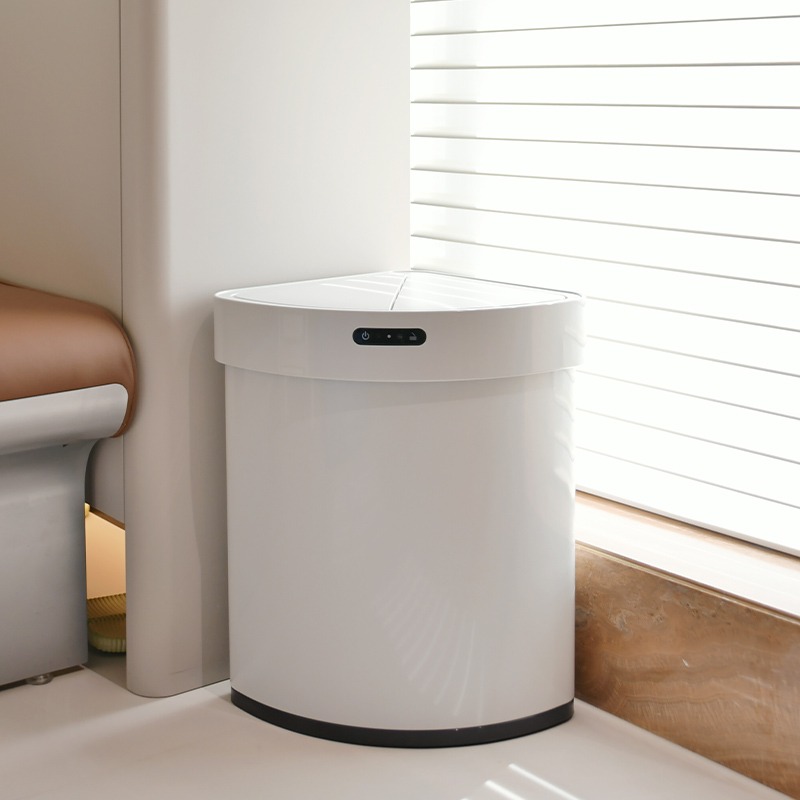
Kitchen space is often limited, particularly in apartments, compact homes, and modern open-plan living areas. A slim bin can fit more easily beside cabinets, against a wall, or in narrow spaces between furniture.
Some Hi-Na Lifestyle smart sensor bin models support a slim width of 25 cm. This allows buyers to select a practical waste-management solution without taking up unnecessary floor space.
The right kitchen trash can depends on how the space is used. A household that cooks frequently may prioritize odor management and easy cleaning. A small apartment may need a slim profile. A busy family may find hands-free opening more convenient during meal preparation.
When comparing smart sensor bins, it is useful to consider the following points:
• Lid structure and closing performance
• Odor-management function
• Sensor opening and sensing-distance adjustment
• Body material and cleaning convenience
• Space-saving dimensions
• Waste bag installation and replacement
A kitchen bin may be a small household item, but the right features can support a cleaner and more comfortable daily routine.

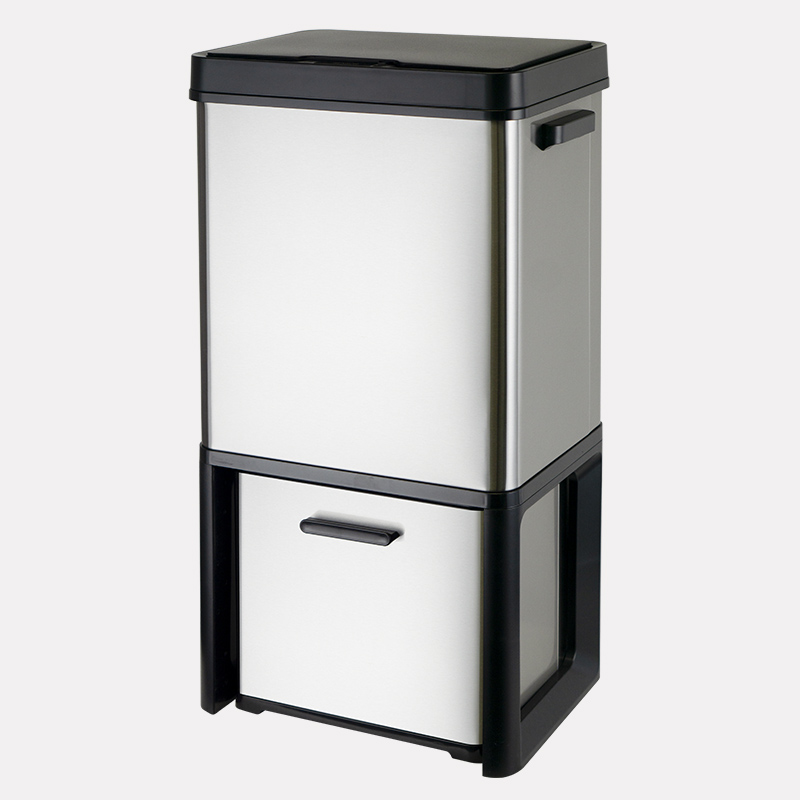
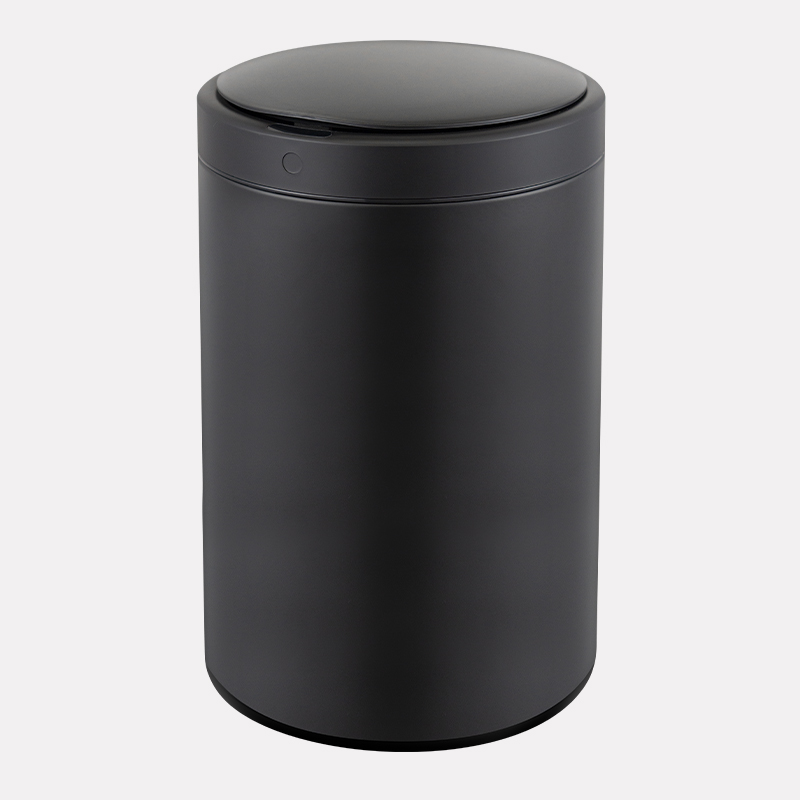
Hi-Na Lifestyle develops smart sensor bin solutions for households, retailers, importers, distributors, and private-label brands. Our product range includes hands-free sensor opening, electric sliding lids, adjustable sensing distance, ozone deodorizing options, stainless steel designs, and space-conscious models.
To learn more about Hi-Na Lifestyle smart sensor bins or discuss OEM/ODM opportunities, please visit:
https://www.hinalifestyle.com/
Email: chloe.zh@hi-na.cn
WhatsApp: +86 18025694229
次の表に記入してください。できるだけ早く返事します。