
当社の本社は中国広東省にあり、2015年から国内市場(10.00%)、欧州(40.00%)、米国(10.00%)、日本(10.00%)に販売しています。

 著者
著者
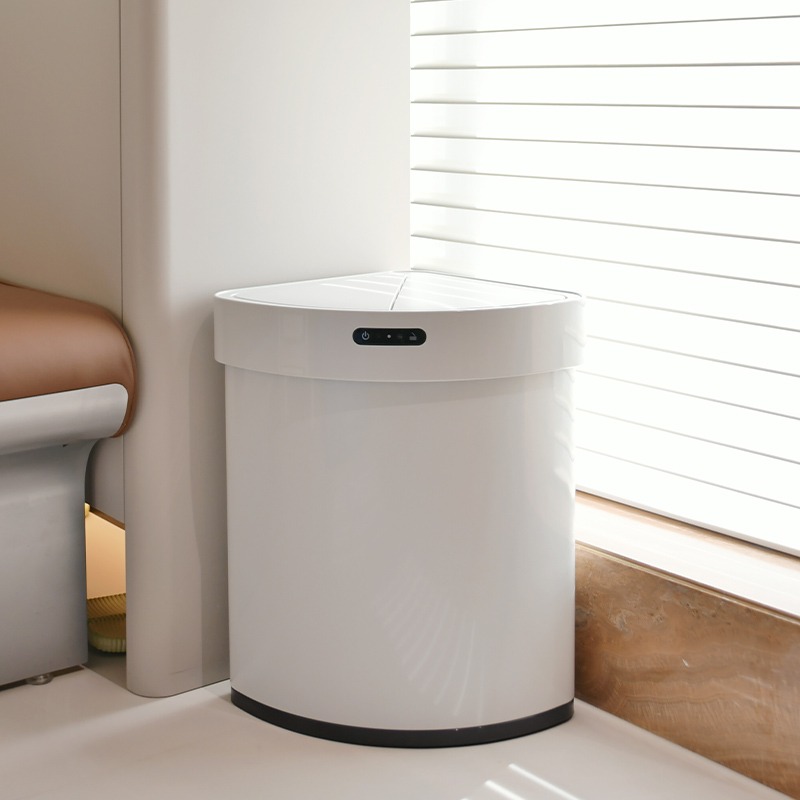
In a shared kitchen or office pantry, the bin often sets the tone before anyone says a word. I pay attention to the lid, the rim, and the visible finish because those small details decide whether the room still feels fresh after a busy lunch hour.
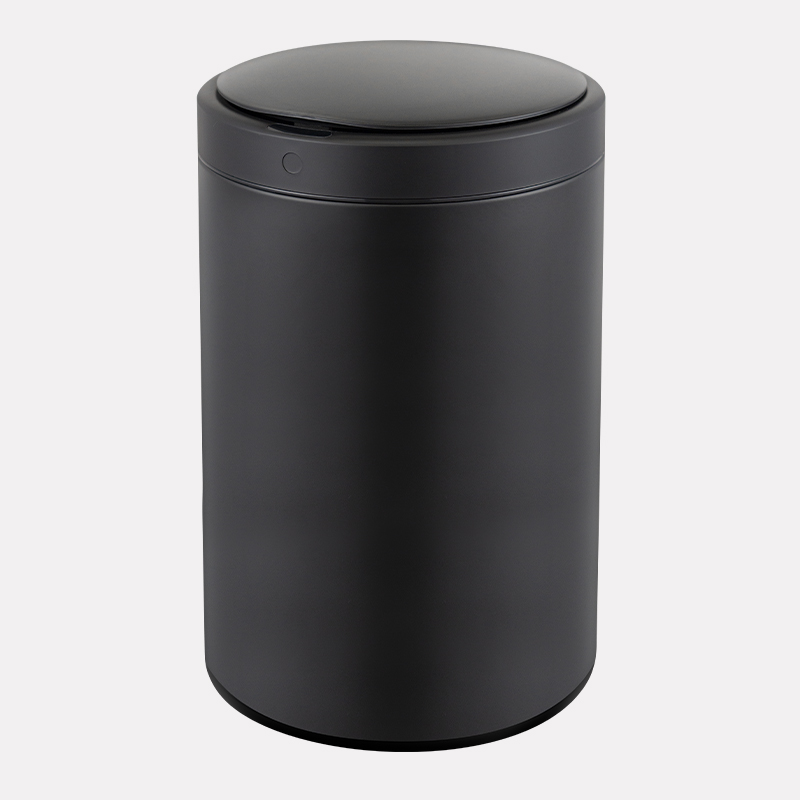
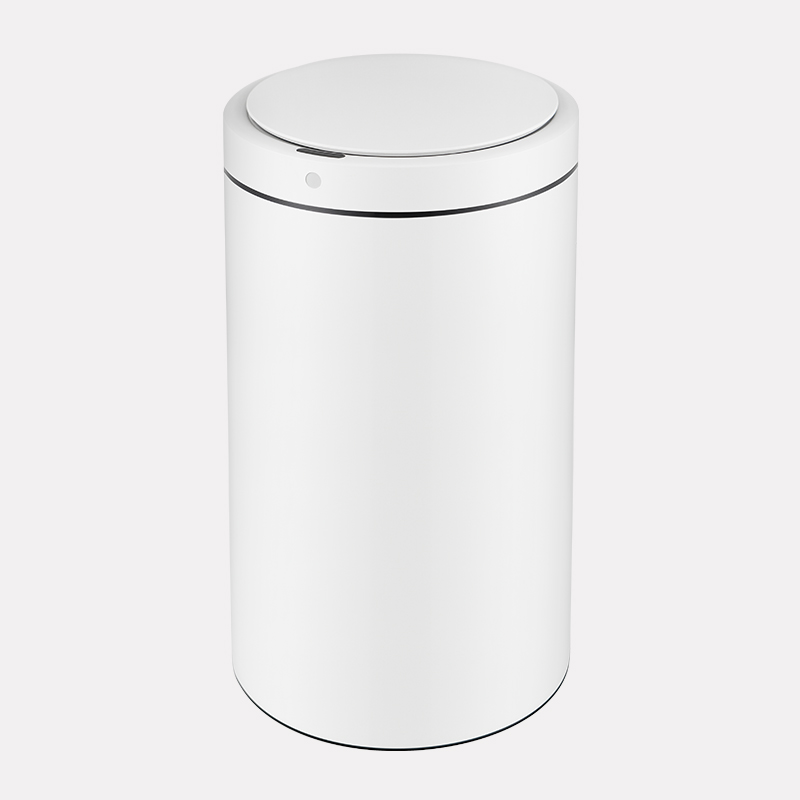
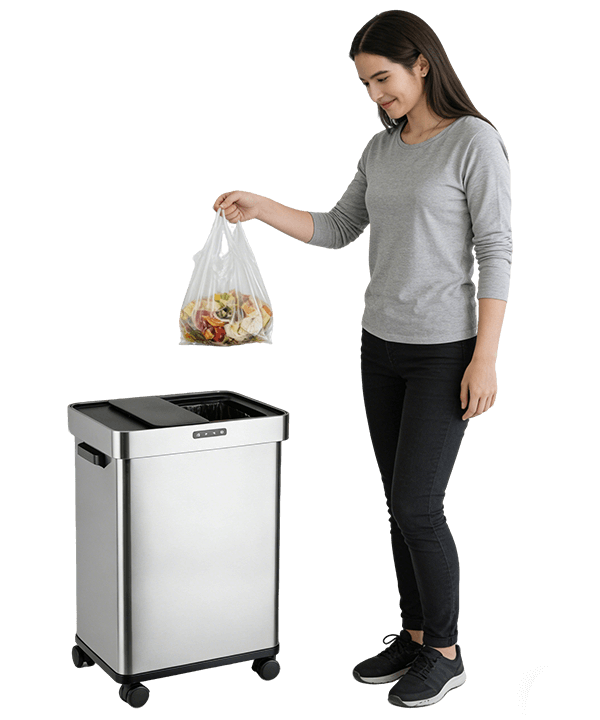
I treat モーションセンサー付きゴミ箱 as contact-control tools before I treat them as conveniences. A no-touch lid removes one common hand contact point, which is useful in a pantry, clinic corner, hotel service corridor, or any place where people pass through with full hands.
Touchless opening does not replace cleaning, and I would never frame it that way. Its value is quieter and more practical: it takes one repeated touch out of the room, then lets the normal wipe-down routine work with less visible mess in between.
A predictable opening path matters because people stop trusting a bin that hesitates or snaps shut too soon. When the lid lifts cleanly and closes quietly, the container blends into the room instead of turning disposal into a little negotiation.
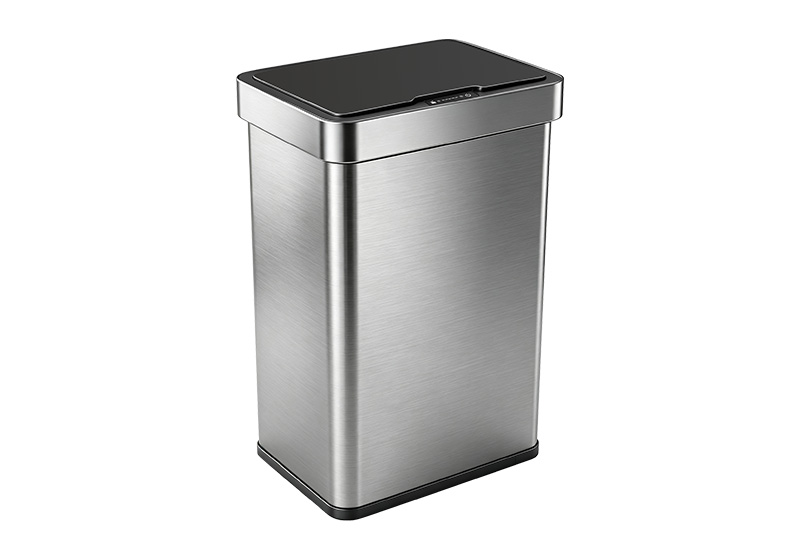
Fingerprint-resistant stainless steel keeps the hygiene signal visible after repeated use. A bin can be technically touchless and still look tired if the front panel collects smudges before the next cleaning round.
| Space | What I want from the bin | Why it matters |
| Office pantry | Fast touchless opening | People can throw waste away without breaking the flow of work |
| Clinic corridor | Easy wipe-down surfaces | The bin stays tidy in a space that already feels busy |
| Hotel back-of-house area | Stable lid behavior | Staff do not want a lid that becomes another chore |
| Shared kitchen | Simple service and good capacity | Overflow is often what ruins the clean look first |

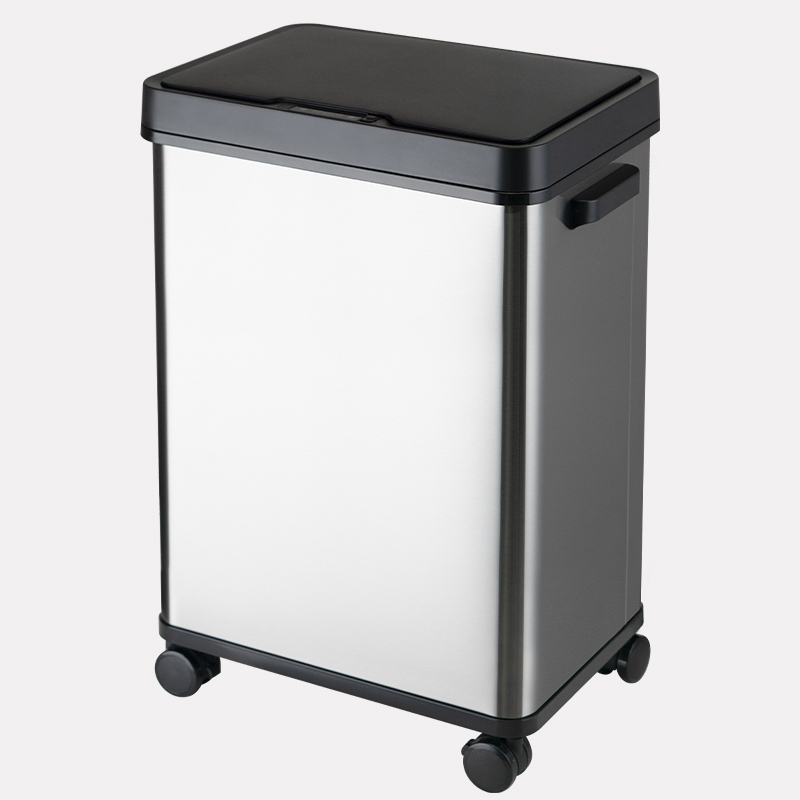
A touchless trash can 13 gallon gives me a practical benchmark because most B2B buyers can picture the footprint quickly. The size is large enough for regular shared use, yet still compact enough for kitchens, pantries, and service corners where floor space is limited.
Overflow is part of hygiene, even when nobody calls it that. Once waste rises above the rim, the room starts to feel unmanaged, and the clean impression disappears faster than any feature label can restore it.
The phrase 13 gallon motion sensor trash can still helps me frame the starting point. It gives me a familiar size reference while leaving room to move up when a shared space needs more holding capacity.
The same logic applies when I compare a motion sensor kitchen trash can for pantry use. The bin has to reduce contact, but it also has to fit the cleaning route and the volume the room creates on a normal day.
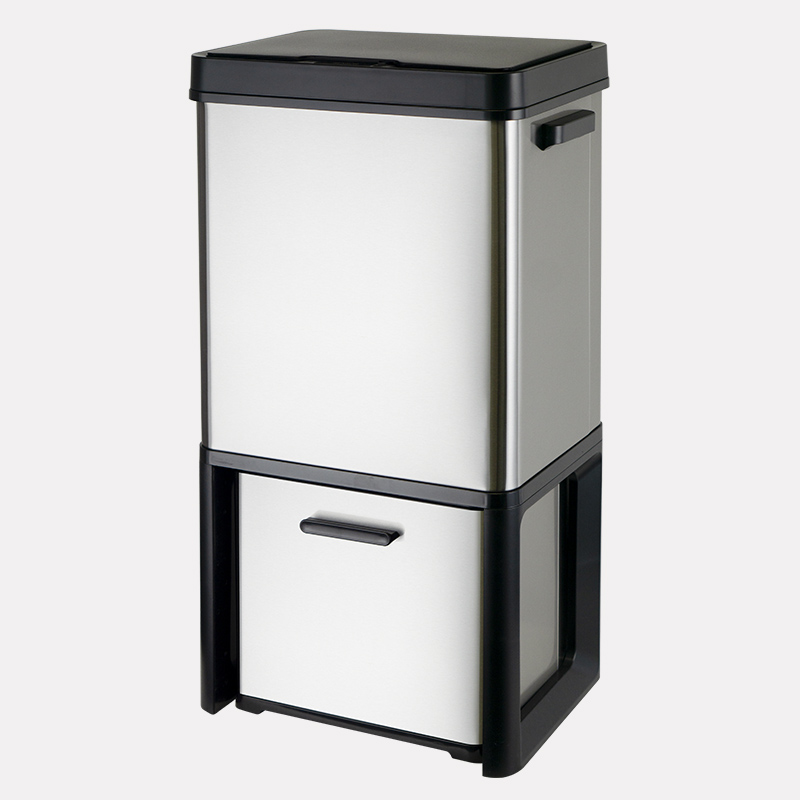
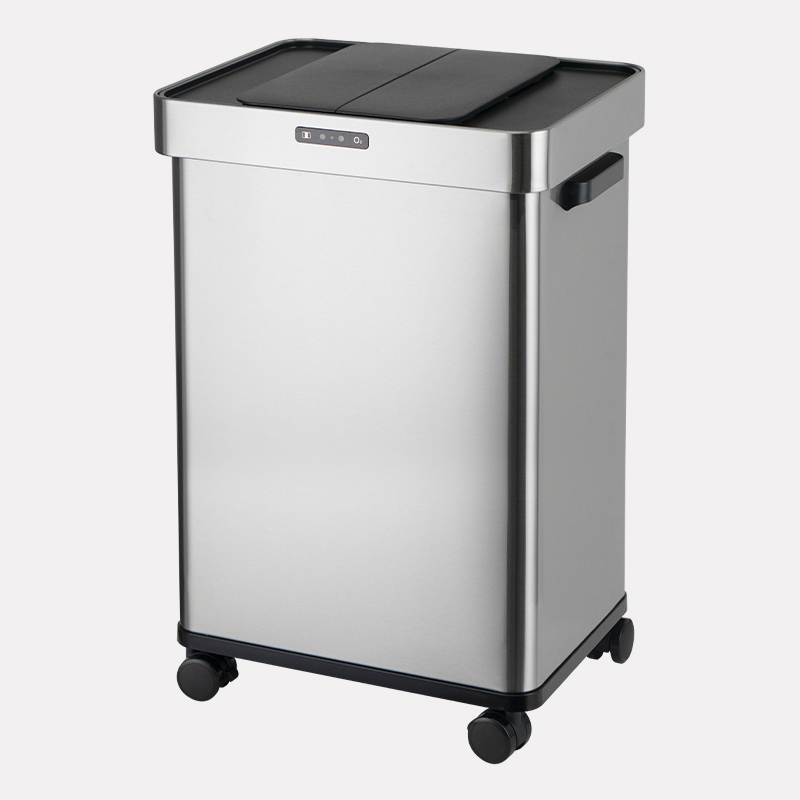
A 13 gallon motion sensor trash can makes sense when the traffic is moderate and the service cycle is dependable. When I need a bigger stainless-steel body, Hi-na Lifestyle’s sliding sensor options let me look at 22L, 30L, 42L, and 50L choices without treating one capacity as the answer for every room.
The capacity decision is really about the moment before the room looks neglected. I would rather choose a size that prevents visible crowding than rely on staff to empty a too-small bin again and again.
The optional deodorizer on Hi-na Lifestyle’s sliding sensor family fits this same practical thinking. When the lid stays quiet, the surface wipes clean, and odor does not build as quickly, the bin supports the room without calling attention to itself.
When I compare a 13 gallon stainless steel touchless trash can, I look past the showroom shine. The better question is whether the body wipes down quickly, the lid discourages unnecessary handling, and the design keeps cleanup simple for everyday users.

This is where Hi-na Lifestyle feels practical to me. The product family gives me touchless operation, stainless-steel surfaces, and size options that fit real shared rooms instead of forcing one oversized answer everywhere.
I judge hygiene by friction, not by slogans. A touchless bin helps when it removes contact, keeps the exterior easy to wipe, and matches the room’s traffic before waste starts to show above the rim. With those pieces in place, the space stays cleaner with less effort.
For me, the real value is quiet consistency. The bin does its job without asking people to pause, touch the lid, or work around an overfull container.
When I need a B2B touchless waste setup for a shared space, I ask Hi-na Lifestyle to review the room type, traffic level, and preferred capacity before I settle on the final sensor-bin option.
Yes for many shared areas, because they remove one repeated hand contact point. I still keep a wipe-down routine, but touchless opening helps that routine hold up between service rounds.
It can be when traffic is moderate and the service cycle is regular. If the room fills bins quickly, I move up in capacity before overflow becomes the main hygiene problem.
Stainless steel matters because it is easy to wipe and keeps the bin looking cleaner after repeated use. In high traffic rooms, people read that visible surface as part of the room’s cleanliness.
Touchless opening is the first feature I check. After that, I look for a surface that resists fingerprints and a capacity that prevents waste from crowding the rim.
I choose larger capacity when traffic is steady and the room would otherwise need too many waste pulls. A bin that stays orderly longer helps the whole space feel better managed.
次の表に記入してください。できるだけ早く返事します。