
当社の本社は中国広東省にあり、2015年から国内市場(10.00%)、欧州(40.00%)、米国(10.00%)、日本(10.00%)に販売しています。

 著者
著者
A sensor bin can look convincing in a showroom and still be awkward beside an office counter. The lid needs room, the liner needs a secure fit, and someone must handle batteries and replacement parts. For distributors and facility buyers, the best choice is the model that fits the daily waste routine at an acceptable ongoing cost. Comparing those details before a bulk order makes the difference between a useful feature and another task for the cleaning team.
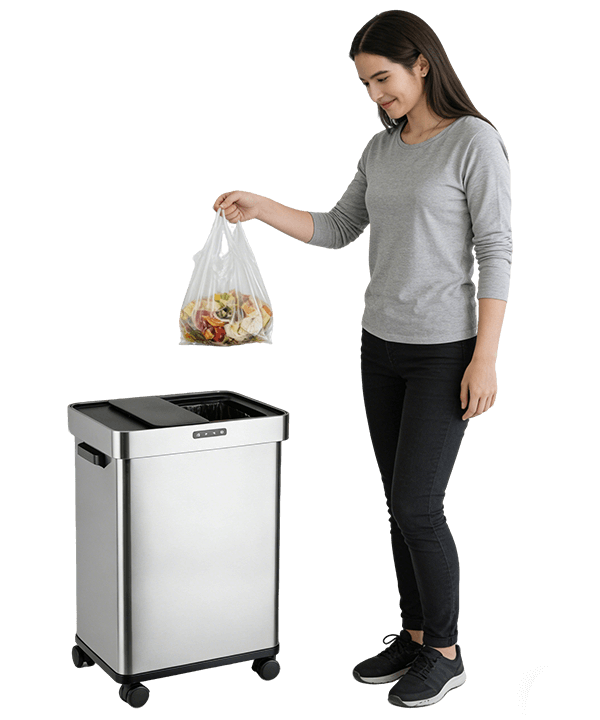
Capacity is only useful when people can reach the opening and remove a filled bag comfortably. Assess the waste collected between scheduled emptying rounds, then try a representative liner with ordinary waste. A narrow motion sensor trash can may suit a gap beside cabinetry, but its open lid and the route used to lift out a bag need separate checks.
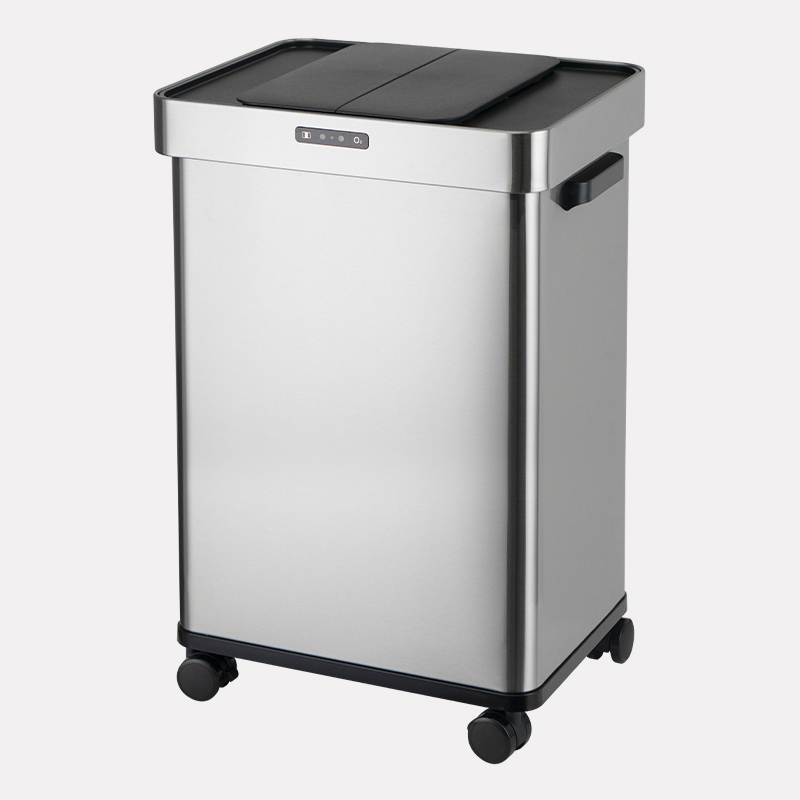
Lid movement helps narrow the options within the same capacity. A flip lid rises above the rim; a sliding lid travels across the top. Test each candidate in its intended position, including nearby counter edges. Sliding action can suit restricted overhead space, although sensor access and bag removal still require clearance.
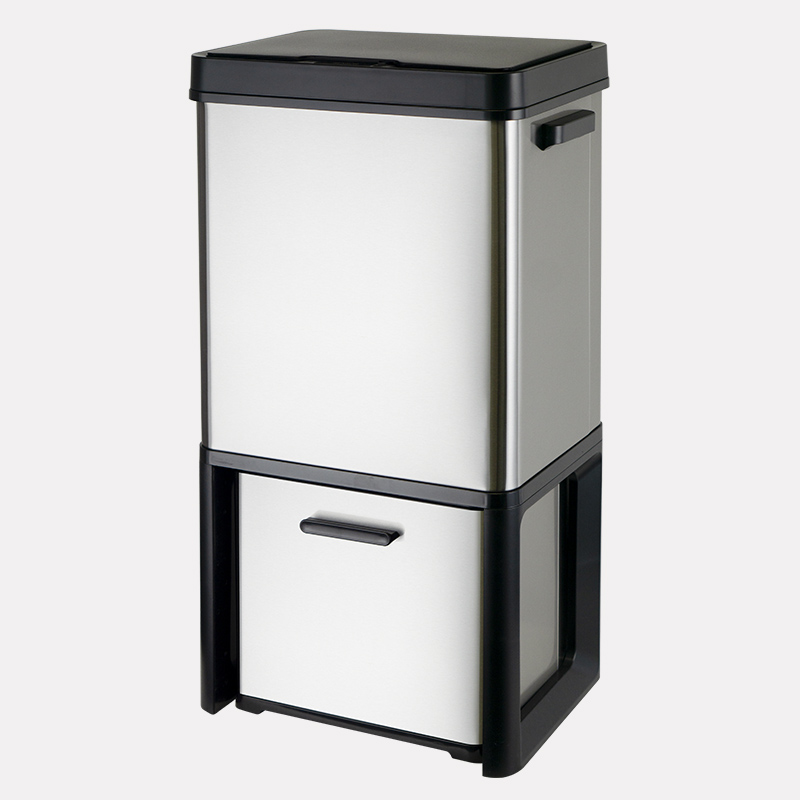
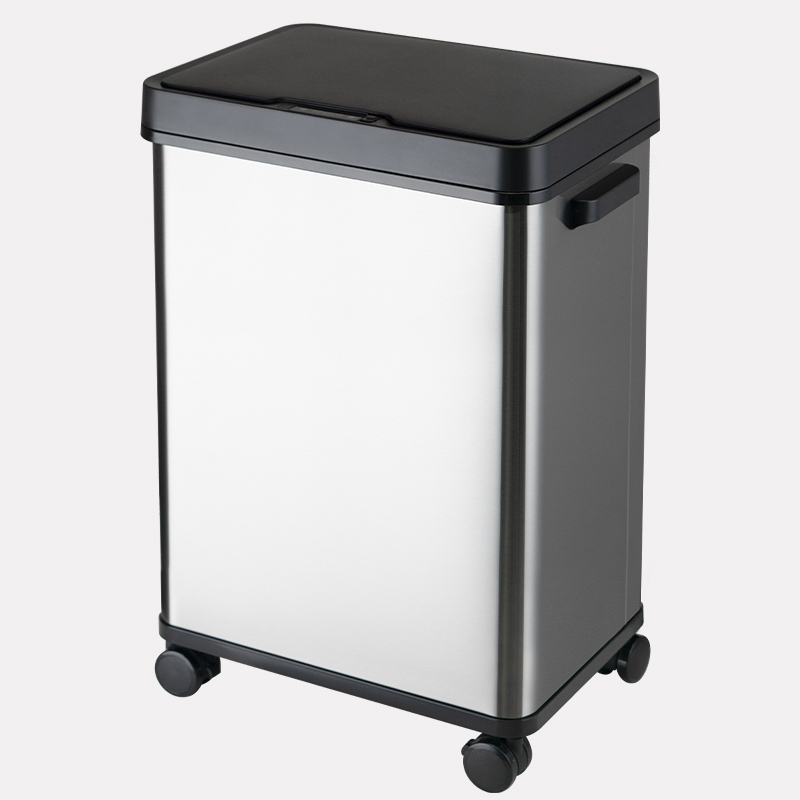
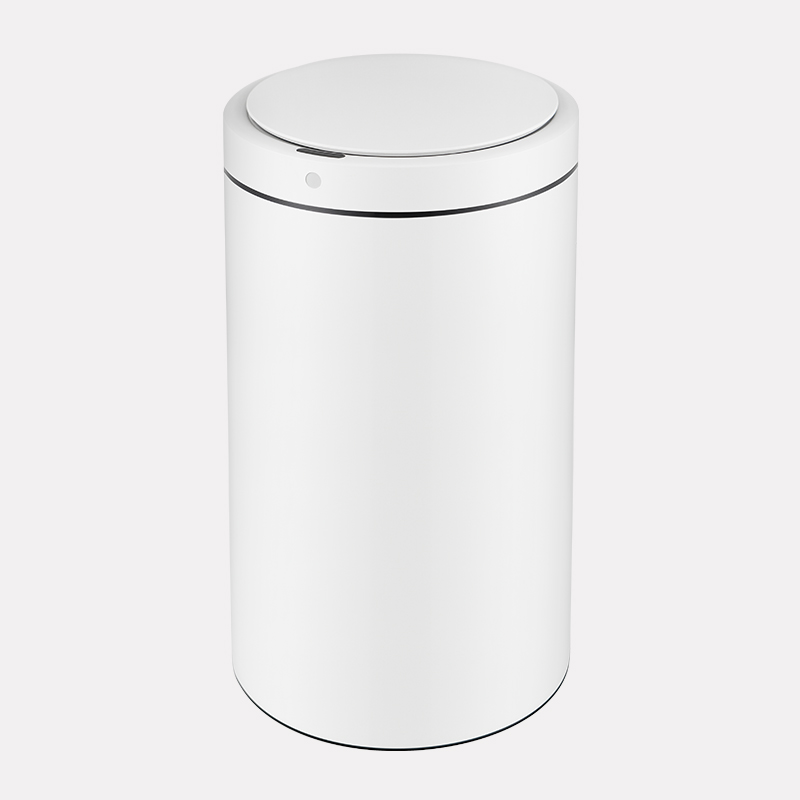
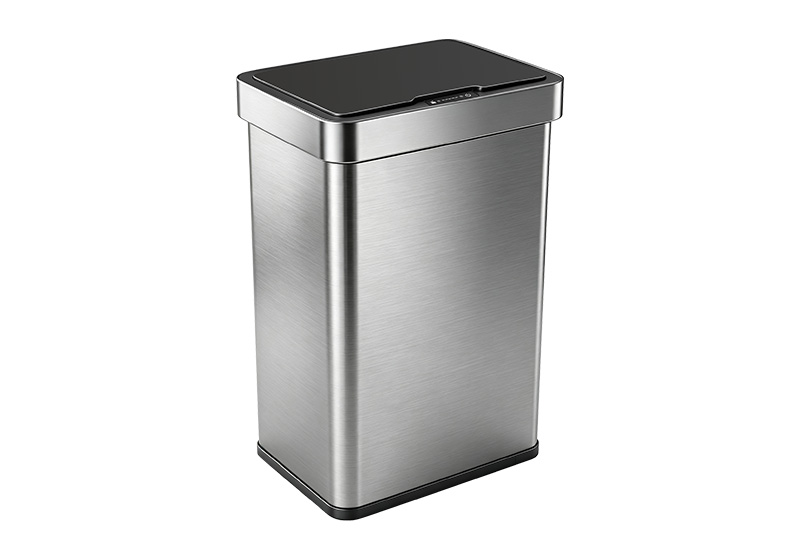
A comparison within one product family makes the handling tradeoff easier to see. At Hi-na Lifestyle, our HN-ZT-W sliding model combines stainless steel and ABS, with four capacities and a bag storage box. Its empty weight increases with capacity, so buyers should consider how the cleaning team will move each version.
| HN-ZT-W capacity | Empty weight | Handling implication |
| 22 L | 2.61 kg | Lightest listed version |
| 30 L | 3.53 kg | Check lifting with a full liner |
| 42 L | 3.94 kg | Assess the emptying route |
| 50 L | 4.5 kg | Heaviest listed version |
These are empty product weights, not safe lifting limits or waste load ratings. Where a wheeled configuration is selected, try the route across actual flooring and thresholds. Extra litres alone do not establish whether a bin will be easier to service.
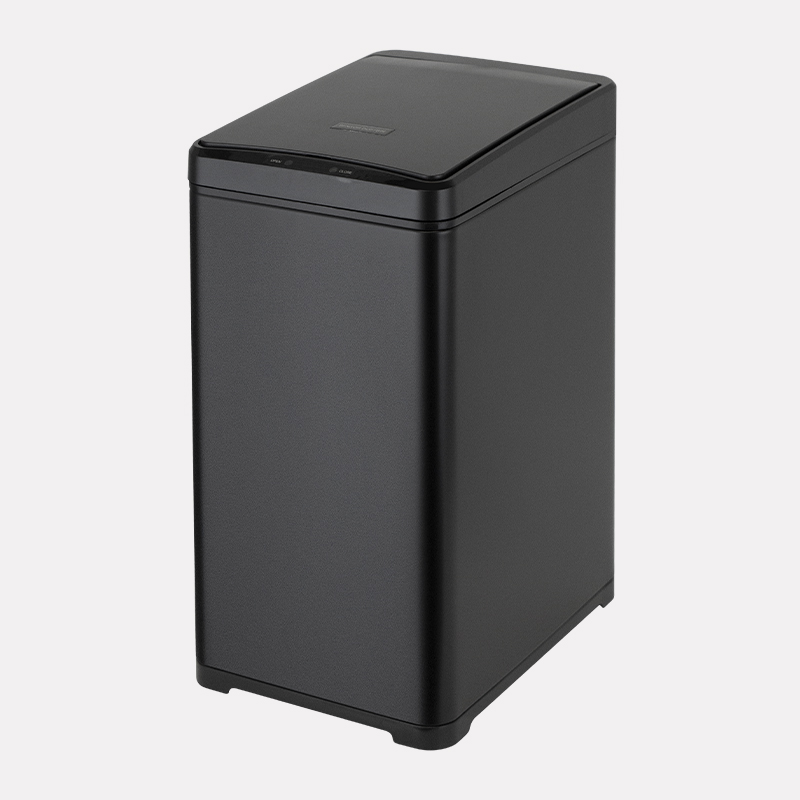
Sensor behaviour should match the approach to the bin. During sample evaluation, walk past it, approach while carrying waste, and use it from the expected standing position. Record unwanted openings, missed activations and whether the closing sequence allows comfortable disposal. This gives the buying team concrete observations to compare instead of a vague impression of responsiveness.
Liner retention deserves the same attention as automatic opening. Our bag fixing system supports reverse wrapping around the retaining ring or securing the bag edge in the ring’s slots. Try the intended bags before approval, checking for slipping and excess material near the lid. A convenient opening adds little value if every bag change becomes a struggle.
Noise evaluation belongs in the intended room. Our HN-ZT-W uses a quiet sliding lid, but a description of quiet operation does not establish a measured sound level. Listen during normal opening and closing in the sample trial, particularly when selecting bins for meeting areas or guest spaces.

A stainless steel sensor trash can still depends on its lid assembly, controls and moving parts. Inspect these alongside the outer body. Look for consistent closure, secure battery access and surfaces that the cleaning team can maintain using the model’s care instructions. An attractive finish cannot answer every durability question.
Reliability testing is useful when its scope matches the ordered product. Our pre-sales evaluation includes packaged drop testing and lid-cycle testing, with other checks selected for the product and target market. Ask for the applicable report, including the model, cycle count or drop conditions, and acceptance criteria. A test name alone does not demonstrate a particular service life.
Sample approval should preserve the conditions that made the comparison meaningful. Keep the agreed lid configuration, battery type and intended use consistent when comparing candidates. Record the observations that matter to the site, so later purchasing decisions do not depend on recollection or an impressive feature list.

The cost of a smart garbage can extends beyond the invoice. Compare the landed unit cost with batteries, liners, servicing time and replacement parts over the same planning period. Use actual quotations and site assumptions. Without comparable inputs, a lower unit price does not establish a lower total cost.
Battery budgeting can be made explicit. The HN-ZT-W requires six AA alkaline batteries. Our sensor-bin battery-life expectation is 4–6 months; treat this as a planning reference to verify under the intended opening frequency. At that interval, annualized consumption calculates to two to three complete sets, or 12–18 cells per bin. This is a budgeting calculation, not a measured annual result.
Replacement arrangements also affect the comparison. For HN-ZT-W, the model-specific after-sales provision is 2% extra lids instead of a repair or warranty arrangement, with no lid return required for repairs. Confirm the order terms and what happens after those spares are used. A spare-lid allowance should not be presented as an unlimited warranty.
A strong shortlist connects physical fit, repeatable sample observations and a transparent cost estimate. Choose the capacity and lid movement first, then assess handling and durability evidence before comparing ongoing expenses. The final decision should be explainable to both procurement and the people who empty the bins.
Discuss your shortlisted capacities and intended placement with Hi-na Lifestyle to confirm a suitable sample configuration and the applicable supply terms.
Match capacity to waste collected between emptying rounds, then check access and filled-bag handling. Nominal litres alone cannot determine a suitable model for every room.
It can help where upward lid travel is restricted. Verify the sensor’s access, the opening position and the clearance needed to remove the liner before approving placement.
Use the same approach and walk-past checks for each sample, then request relevant cycle-test evidence. Keep observed sample behaviour separate from claims about years of service.
Calculate them using the battery count, expected replacement interval, fleet size and local cell price. Include the time needed to change batteries across the installed bins.
That depends on the agreed terms. The HN-ZT-W provision uses 2% extra lids in place of a repair or warranty arrangement; confirm its scope before comparing offers.
次の表に記入してください。できるだけ早く返事します。