
当社の本社は中国広東省にあり、2015年から国内市場(10.00%)、欧州(40.00%)、米国(10.00%)、日本(10.00%)に販売しています。

 著者
著者
A janitorial round loses momentum when a liner slips below the rim, a spare bag is elsewhere, or a cleaner has to stop and touch a lid while carrying waste. A sensor bin earns its place when those moments become more predictable across a route.
Bin servicing is a sequence, not an isolated task. A cleaner approaches the station, removes a filled liner, checks the interior, fits a new one, restores the lid, and moves on. If a step needs an awkward reach or a return trip for supplies, the delay repeats at every location. Good ergonomic design protects the flow of the route, not merely the look of the container.
The practical question of how to put a trash bag in is really about securing the bag without leaving a loose edge that catches the lid or collapses inward. A liner should reach the base, sit evenly around the rim, and remain accessible at removal. When that setup is consistent, staff can complete the change with fewer adjustments and a tidier finish.
A bin can have the right volume and still slow a route if the lid blocks the opening, the body must be moved to reach the bag, or replacement liners are stored too far away. The useful design question is where a worker’s hands, cart, and next liner will be during that short stop. It keeps the decision focused on motion and reach, not a feature list.
A reliable liner change follows a visible rhythm: remove, inspect, reline, close, and continue. The sequence is easier to train when the bin gives the liner a clear resting position and the lid returns without an extra adjustment. A sensor bin can support cleaning work without replacing attentive service.
| Route moment | Design detail to check | Operational effect |
| Approaching the bin | Opening method and clearance | Lets the worker reach the waste point without juggling the lid |
| Removing a full liner | Rim access and body stability | Reduces snagging and unnecessary repositioning |
| Fitting a new liner | Retainer path and liner access | Makes the installed bag sit evenly and ready for use |
| Leaving the station | Lid return and clean exterior | Keeps the area presentable for the next user |
The answer to how to put a bin liner in a bin should be repeatable across shifts, not dependent on one experienced worker’s technique. Teams benefit when the liner is pushed fully into the body before the rim is secured, because the bag then has room for waste instead of being pulled tight at the top. A short on-site trial reveals quickly whether the process works at normal cleaning pace.

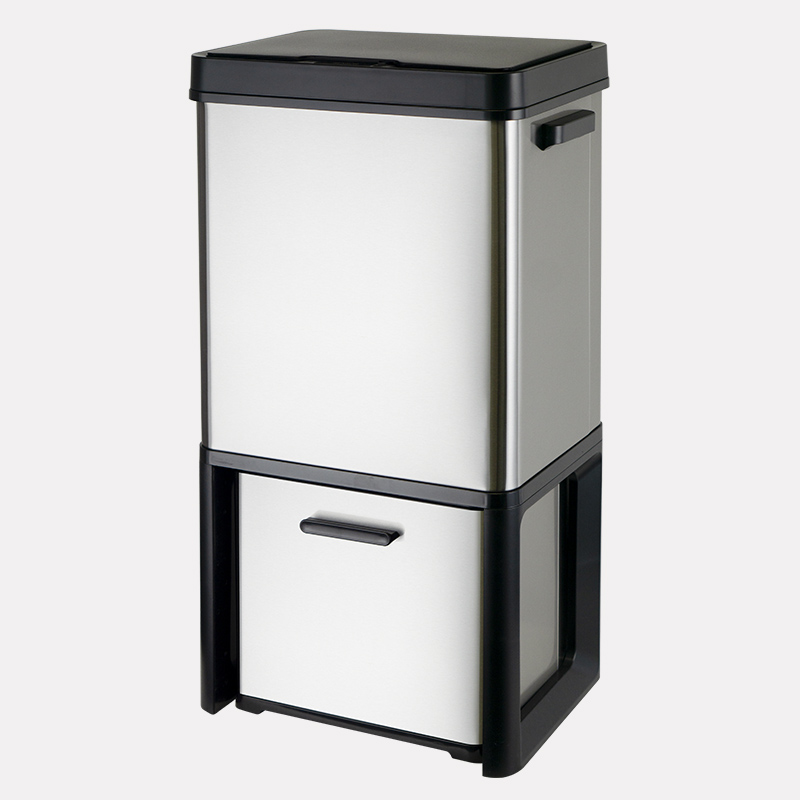
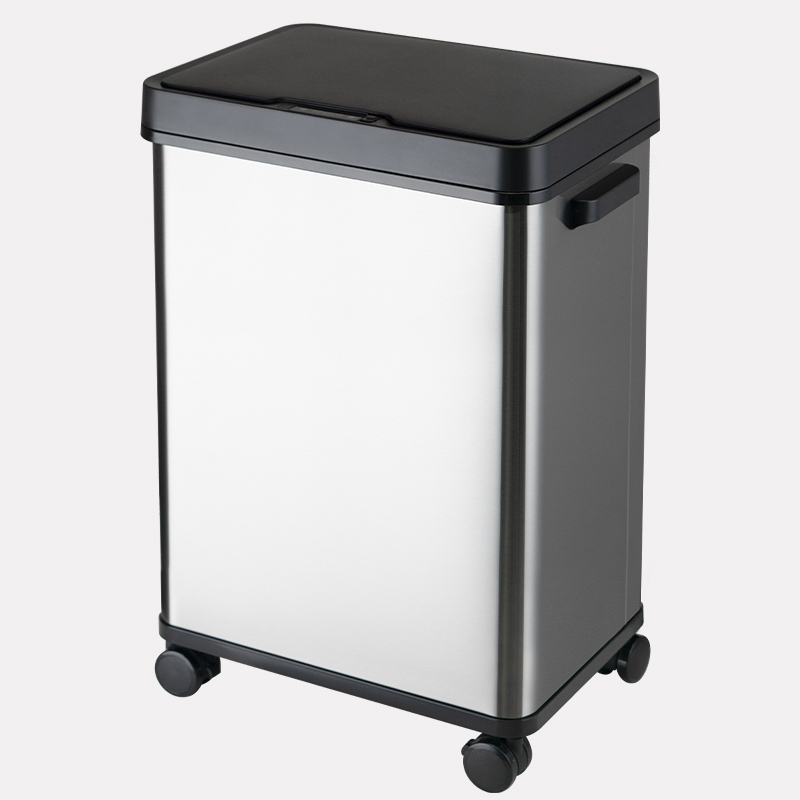
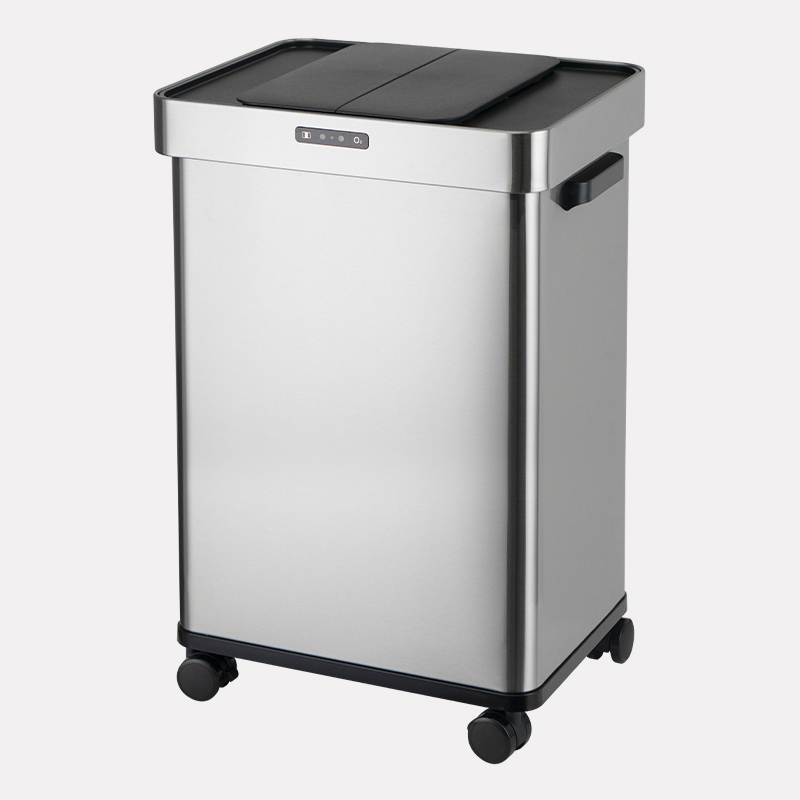
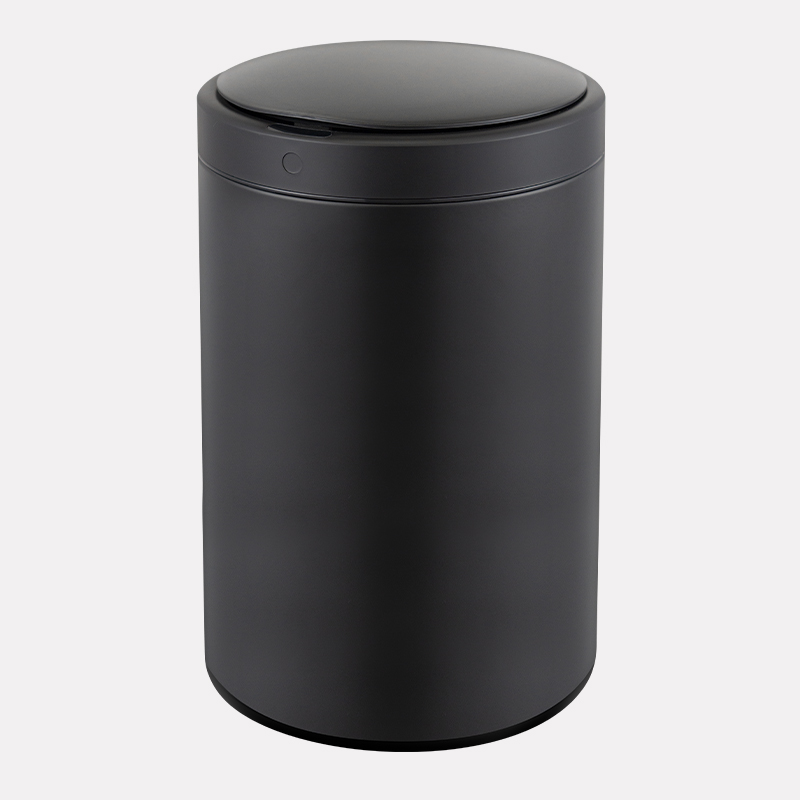
A product fit should be judged through the cleaning stop it creates. Quiet lid movement can suit occupied offices, casters can help reposition a unit during floor care, and a bag-storage feature can reduce a search for supplies. Those details must make the route easier for the people servicing the bin.
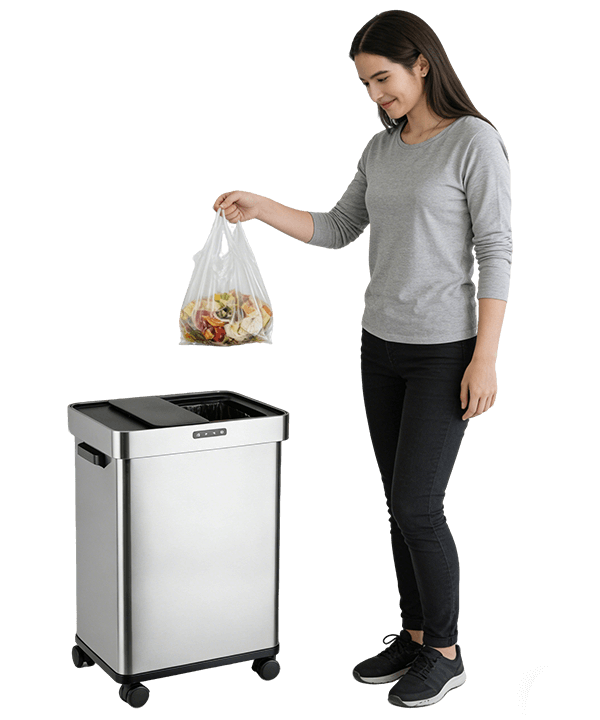
Hi-na Lifestyle’s HN-ZT-W uses a quiet sliding lid, a garbage-bag storage box, and optional casters. In a site where staff services several kitchens, clinics, or open-plan work areas, the bag-storage box can keep a replacement close to the point of use. The model is available in 22 L, 30 L, 42 L, and 50 L versions, so capacity can be matched to the stop rather than enlarged by default.
The HN-ZT-W runs on six AA alkaline batteries and has a typical battery life of four to six months. That interval helps a facility team put battery review on a maintenance calendar instead of discovering a dead lid mid-round. Its stainless-steel-and-ABS construction and four operating modes add practical options without changing the core liner routine.
Liner problems usually begin with a mismatch between the bin rim, the bag size, and the way the lid moves. A too-small bag pulls loose as waste accumulates; a bulky overhang can interfere with the lid; an unseated bag can slide down with the first heavy item. Looking at how to keep bin liners in place during a live route is more revealing than inspecting an empty display unit.
Placement can also create a hidden problem. A bin pressed against a wall may make liner removal awkward, while a unit set too far from the cart adds steps each time it is serviced. A distributor or facility manager can observe one normal round, note where staff pauses, then adjust the bin position, liner size, or replenishment point before rollout.

Sensor bins support janitorial efficiency when they make the liner change straightforward, not when they add another complicated interaction. The best next step is to trial the full service sequence at the intended location: approach the bin, remove a loaded liner, fit the replacement, confirm lid clearance, and walk on. That simple observation exposes whether the design supports a clean, steady route.
Hi-na Lifestyle can help B2B teams review a suitable sensor-bin configuration for their work areas and routine. Bring the target location, waste volume, liner size, and service pattern so the choice is grounded in the route staff perform.
To answer how to properly put a trash bag in, push the liner to the bottom first, spread it evenly around the rim, and confirm that no loose edge catches the lid path. The exact retainer arrangement should be checked on the selected model.
A liner usually slips when it is too small for the rim, has not reached the bottom, or is not secured at the intended retention point. Testing the actual bag size with a loaded liner is more useful than judging the fit while the bin is empty.
It can if the liner overlaps the moving path or the bin has poor rim access. A short trial should confirm that the lid opens and closes cleanly after a worker fits the liner in the normal sequence.
Follow the facility’s own hygiene and waste-handling procedure, then use the correct liner size, remove any soiled liner safely, inspect the bin, and secure a fresh liner before returning the unit to service. Local requirements may set additional controls.
次の表に記入してください。できるだけ早く返事します。