
当社の本社は中国広東省にあり、2015年から国内市場(10.00%)、欧州(40.00%)、米国(10.00%)、日本(10.00%)に販売しています。

 著者
著者
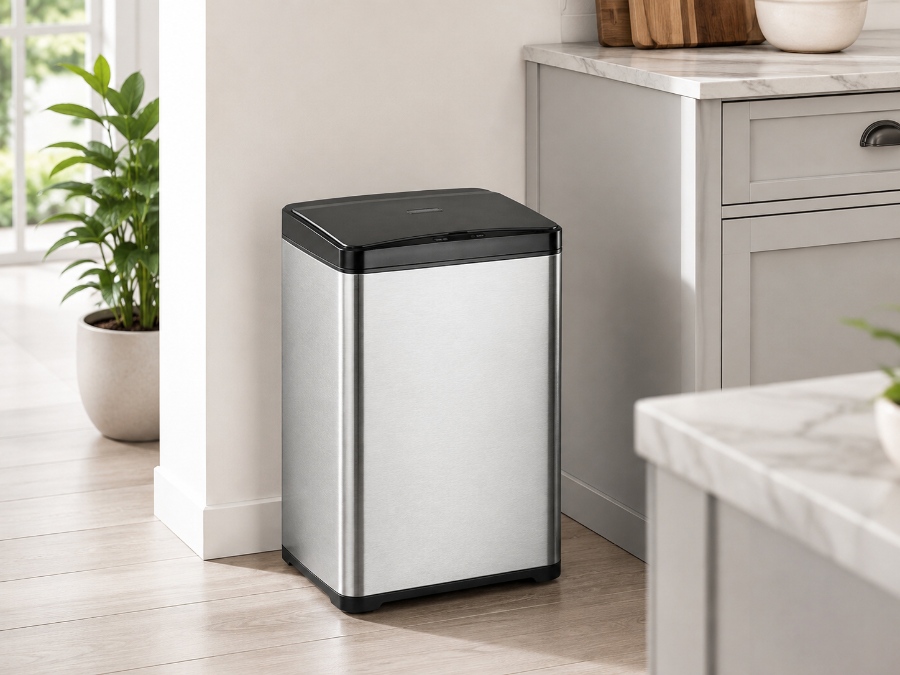
Battery setup can determine whether a sensor trash bin works reliably after delivery. Buyers need the right cells and a simple maintenance routine. This guide explains how to handle the HN-ZT-W’s six AA alkaline batteries and diagnose a motion sensor trash can that responds inconsistently.
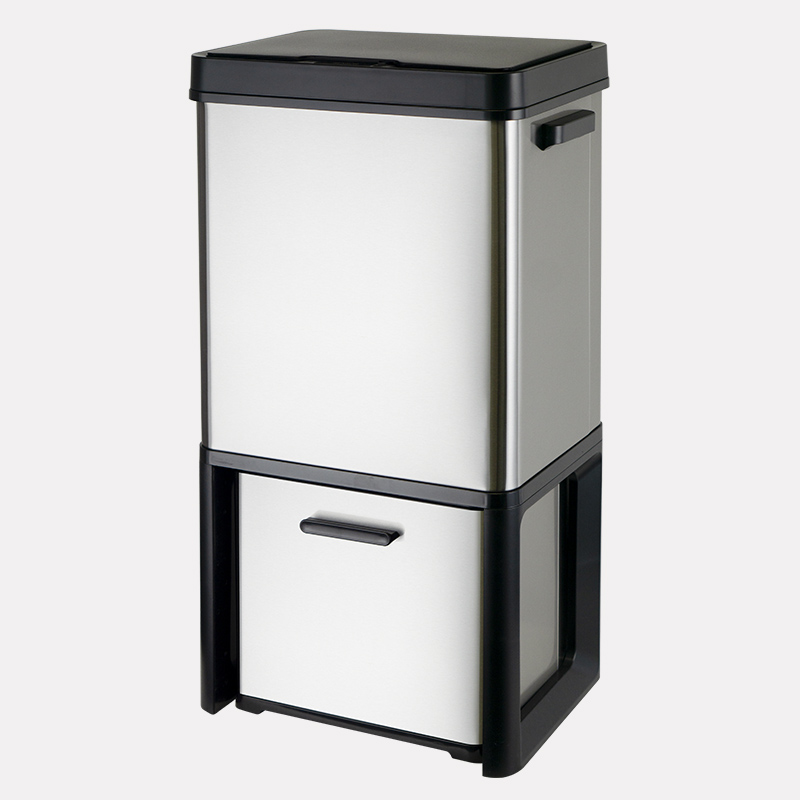
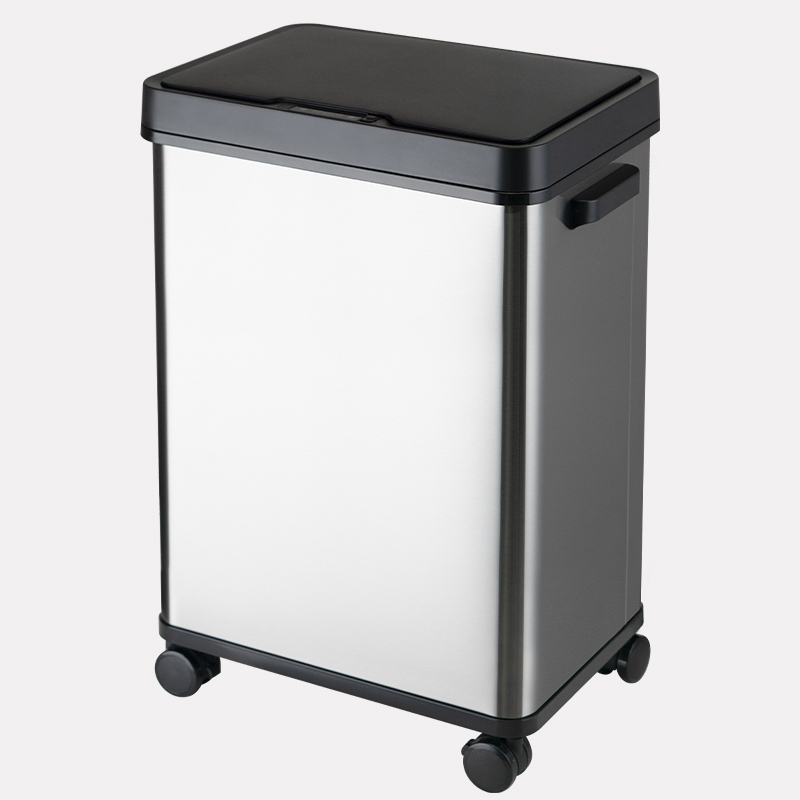
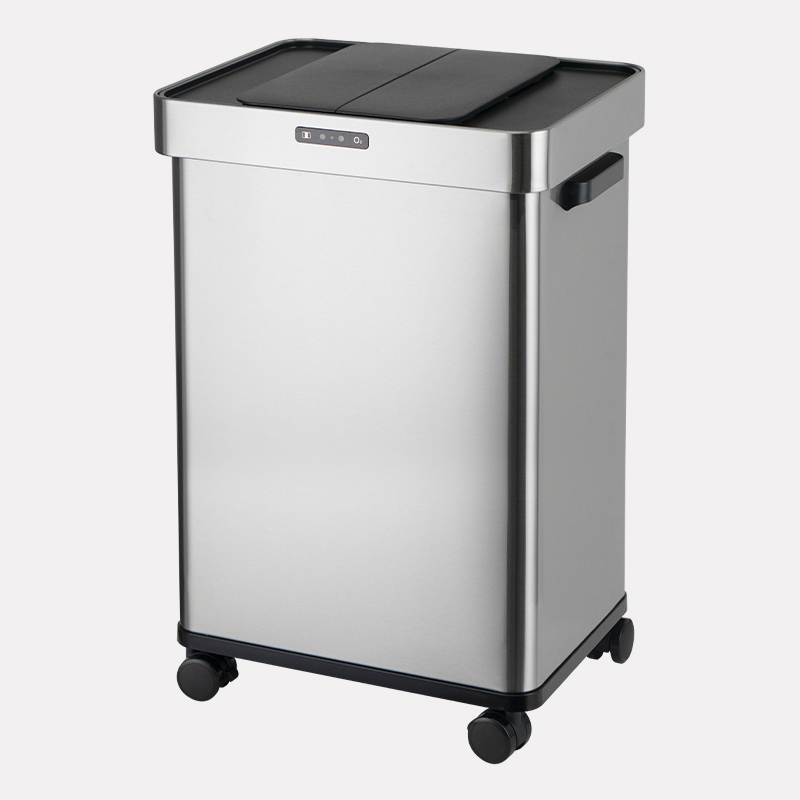
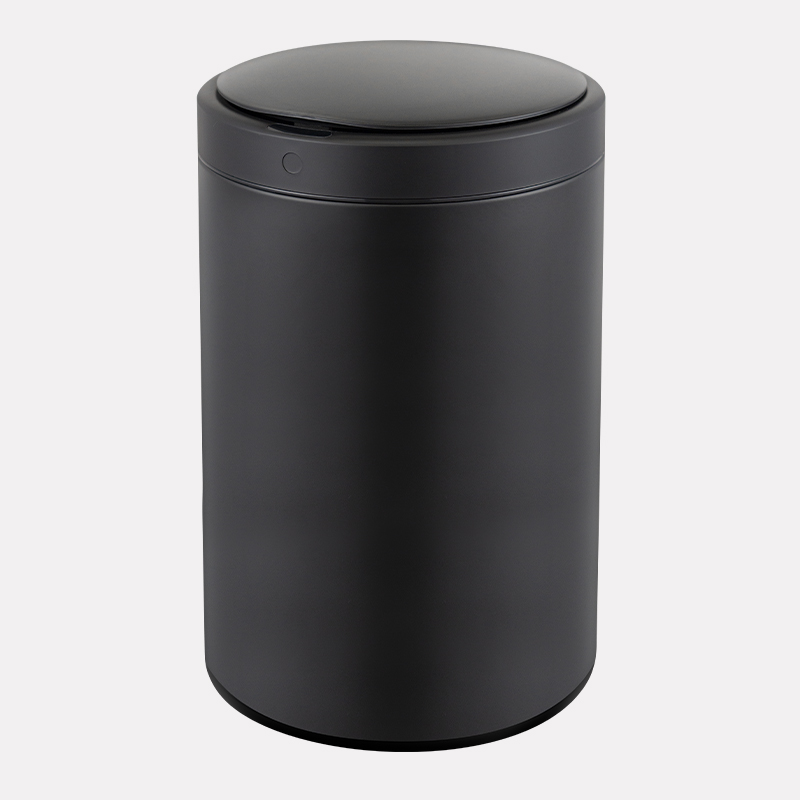
The correct specification starts with the product manual and battery compartment. The HN-ZT-W uses six AA alkaline batteries, so purchasing documents and user instructions should state that configuration. Its stainless steel and ABS body is available in 22 L, 30 L, 42 L, and 50 L versions with a quiet sliding lid. Capacity does not change the stated battery type.
Battery chemistry matters because dissimilar cells do not behave as one balanced pack. Use six fresh AA alkaline batteries of the same type, and never mix old and new cells. Match every end to the holder’s polarity symbols. Health Canada’s official “Battery safety” guidance also advises users to follow compartment polarity and not mix rechargeable and non-rechargeable batteries.
A complete replacement set gives a sensor trash bin a predictable electrical baseline. Do not combine old and new cells, even when older cells retain some charge. A weak cell can reduce pack voltage and create intermittent behavior that resembles an electronic fault. Replacement instructions should call for all six cells to be changed together.
A repeatable installation sequence reduces avoidable support calls. Before opening the compartment, switch the unit off when a power control is available, clear the activation area, and ensure the holder is dry and clean. Never force a cell or bend a contact.
*Identify every positive and negative terminal on the compartment diagram.
*Inspect six fresh cells for dents, swelling, leakage, or wrapper damage.
*Insert each battery firmly in the direction shown by the polarity marks.
*Confirm that every cell sits flat and that each spring contact holds tension.
*Close the cover fully so movement cannot loosen the pack.
*Restore power and test several complete cycles from the normal approach position.
The final check should reproduce normal use. Let the lid finish each sliding cycle before testing again. If a motion sensor trash can works only when its battery cover is pressed, check cell seating before replacing an electronic part.
Stable conditions help a stainless steel sensor bin maintain more consistent battery performance. Remove objects that cause repeated activations, keep the liner clear of the track, and clear debris from the sliding path. Keep water away from the compartment and store spare cells away from heat and moisture.
A service log turns replacement into purchasing data. Record each unit’s installation date, location, capacity, battery specification, and replacement date. If a smart sensor trash can falls short of the documented product expectation, compare traffic, cell age, and recurring resistance before escalating the issue.

Short runtime is a symptom, not a diagnosis. Check the pack and installation first, then inspect the lid path and activation area. This order can prevent unnecessary part replacement when a reversed cell, mixed set, or repeated triggering is responsible.
| Condition or symptom | First check | Buyer or service action |
| No response after installation | Polarity and battery seating | Reinstall all six cells according to the compartment diagram |
| Intermittent opening | Mixed ages, loose contacts, or low voltage | Fit one fresh matched set and retest complete cycles |
| Runtime below the quoted expectation | Activations, battery quality, and lid resistance | Remove triggers or obstructions, document conditions, and retest |
| Lid starts but does not finish | Liner or debris in the sliding path | Clear the track without forcing the mechanism |
| Long-term storage | Batteries remain installed | Remove the cells and store the unit dry |
Long-idle units need a storage rule. Health Canada recommends removing batteries from devices unused for an extended period and following local disposal requirements. This applies to a motion sensor trash can held as seasonal stock, a sample, or a spare.
Battery performance becomes manageable when requirements appear in the purchasing file. State six AA alkaline batteries, the HN-ZT-W’s 4-6 month product expectation, selected capacity, finish, and operating environment. Require the quotation or sample protocol to record battery specification, activation assumptions, test conditions, and acceptance method before treating that expectation as a procurement criterion. Also confirm whether batteries ship with the product or are sourced locally.
Sample comparisons require matched conditions. Fit candidates with equivalent fresh cells, use one environment, and run the same number of complete cycles. Evaluate a smart sensor trash can for consistent sensing and complete closure; check a stainless steel sensor bin for finish consistency and assembly quality.
A complete inquiry should state capacity, color, quantity, destination market, packaging, and schedule. ODM or OEM requests should include the corporate LOGO customization method and artwork. These inputs let the supplier assess the automatic sensor trash can without assuming one sample suits every program.

Hi-na Lifestyle can review capacity, finish, packing, battery instructions, and ODM/OEM corporate LOGO customization. Share the use environment, quantity, destination market, and sample-test requirements through our automatic sensor trash can inquiry page to begin with a defined battery specification.
The HN-ZT-W sensor trash bin uses six AA alkaline batteries. Replace them together and follow the compartment polarity diagram. Do not assume another model uses the same quantity.
Use the chemistry stated in the product instructions. The HN-ZT-W calls for AA alkaline batteries; do not mix rechargeable and non-rechargeable cells. Confirm any chemistry change with the supplier before adopting it.
Record battery brand and batch, installation date, location, cycle count, response consistency, lid travel, and replacement date. These records separate operating-condition problems from repeatable product issues.
Remove batteries when the unit will be unused for an extended period. Store the bin and cells in dry conditions, inspect the compartment before recommissioning, and follow local disposal requirements.
次の表に記入してください。できるだけ早く返事します。