
当社の本社は中国広東省にあり、2015年から国内市場(10.00%)、欧州(40.00%)、米国(10.00%)、日本(10.00%)に販売しています。

 著者
著者

At a busy waste point, the most avoidable touch is often the lid itself. Staff may carry food scraps, used tissues, or packaging while reaching for a surface that many other people use. A sensor lid removes that repeated hand-to-lid step, but it does not make the whole disposal task sterile. The practical goal is narrower and more useful: reduce routine contact while keeping the bin easy to empty, clean, and use during peak traffic.
Manual lids turn a simple disposal action into a shared-touch sequence. A user touches the lid, drops the waste, then moves on to a handle, tap, desk, or phone. Hands can pick up germs from objects, and handwashing remains important after touching garbage. Removing an unnecessary lid touch therefore supports a cleaner routine without making an exaggerated hygiene promise.
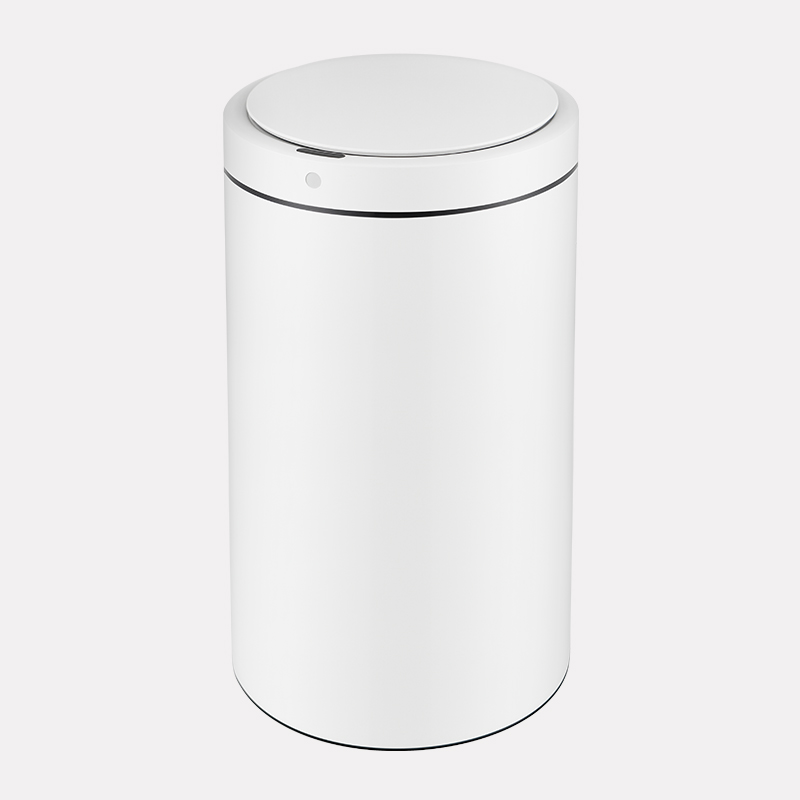
Well-positioned モーションセンサー付きゴミ箱 change only one step, yet that step repeats throughout the day. The value grows where the same receptacle serves many employees, visitors, or contractors. The comparison below keeps the benefit in proportion.
| Moment | Manual lid | Sensor lid | Operational meaning |
| Disposal | Hand or glove opens the lid | Approach triggers opening | Less routine contact with the shared lid |
| Busy period | Users may leave the lid open | Lid closes after use | More consistent waste-point behavior |
| Servicing | Staff still remove bags and clean surfaces | Staff still remove bags and clean surfaces | Touchless use does not replace hygiene work |
The sensor changes the user’s path, not the nature of the waste. It is most useful when people need a quick, predictable opening while their hands are occupied or visibly soiled.
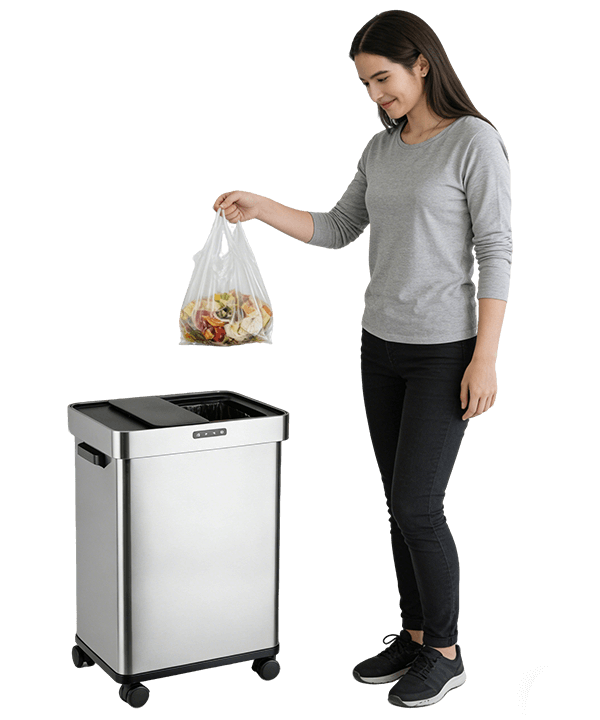
A reliable sensing zone lets the lid open before the user reaches the bin. That makes an automatic trash bin useful in shared kitchens, reception areas, staff rooms, and non-clinical waste points. A sensor garbage can also helps people complete the disposal action without balancing waste in one hand while pressing a lid with the other.
Bag changes, spill cleanup, controls, and nearby counters still require attention. A hands free kitchen bin reduces routine lid contact, but facilities still need a cleaning schedule, correctly fitted liners, and handwashing after waste handling. This boundary matters because a product works best when it reinforces a sensible routine rather than being treated as a substitute for one.

Contact reduction is most valuable where waste volume and user turnover meet. A 非接触式キッチンゴミ箱 can help in a shared food-preparation or break area, while the same operating principle can support a waiting area or open-plan office. The location should give people a clear approach path without placing the sensor beside constant foot traffic.
*Shared kitchens benefit when staff can discard packaging or food scraps without pressing the lid.
*Reception and waiting areas benefit when many short visits create repeated use of one waste point.
*Open offices benefit when a quiet lid and a stable position keep disposal from interrupting nearby work.
Placement should follow the actual waste flow, not a decorative floor plan. A bin hidden behind a door, squeezed below a counter, or aimed toward a busy aisle may open at the wrong time or be ignored. A short observation during the busiest hour often reveals more than a long feature list.
A facility-ready bin should make the cleaner path easy under real operating conditions. The right question is not how many functions appear on a specification sheet; it is whether opening, closing, liner changes, and repositioning fit the way the site works.
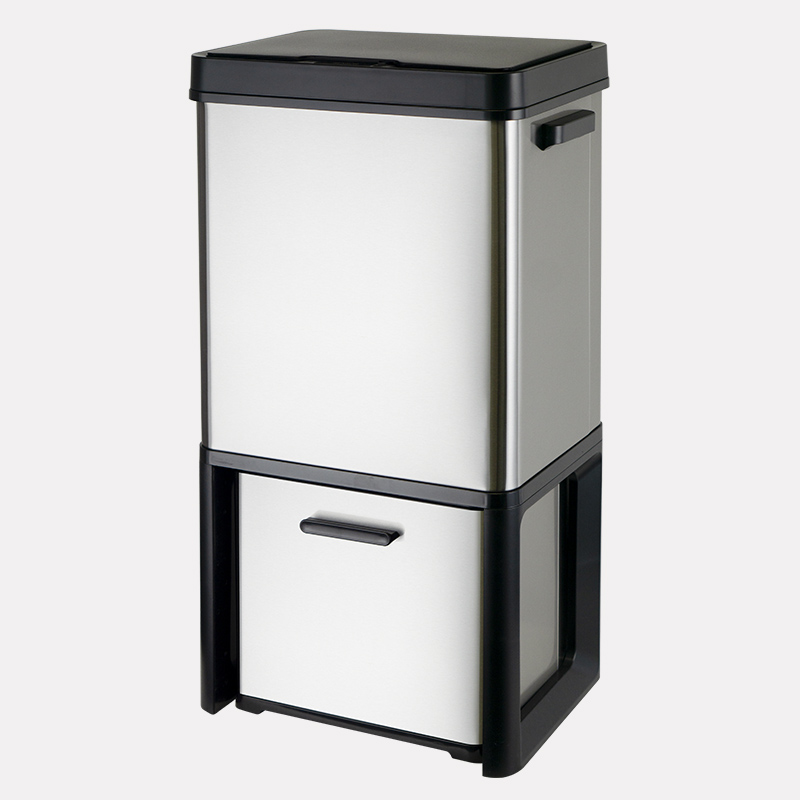
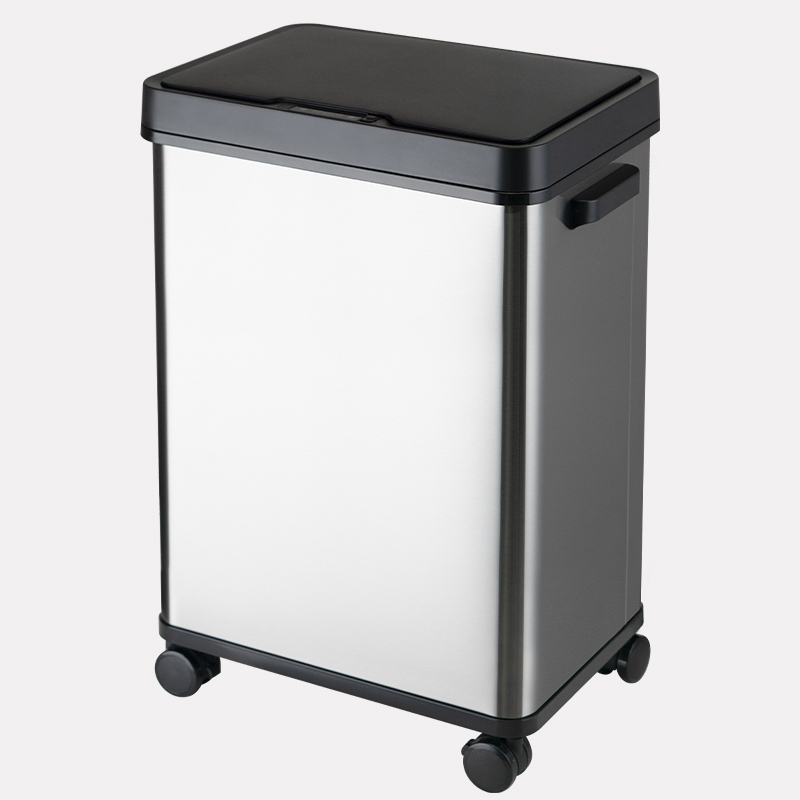
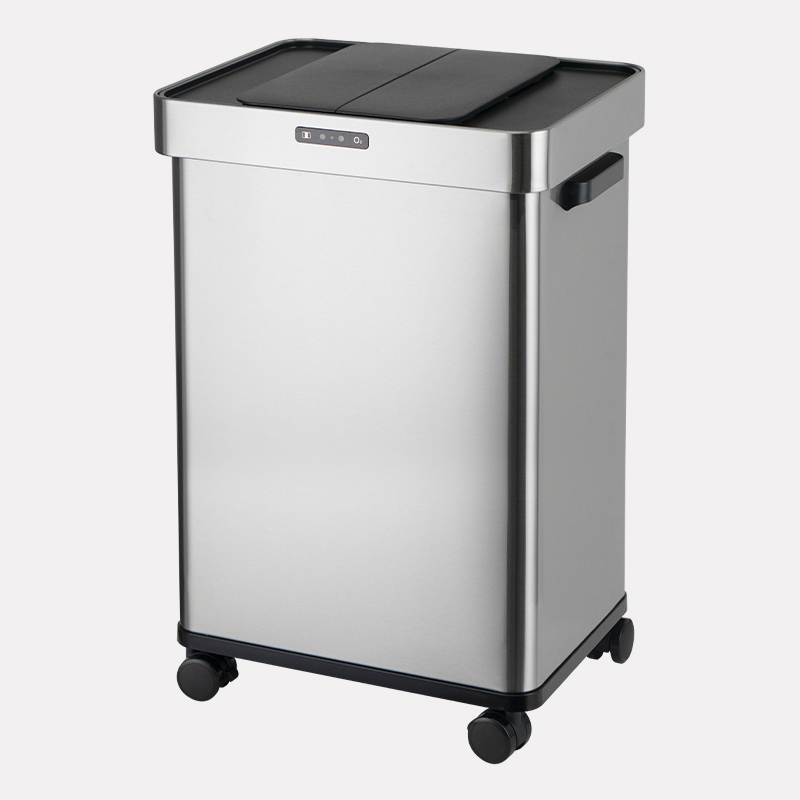
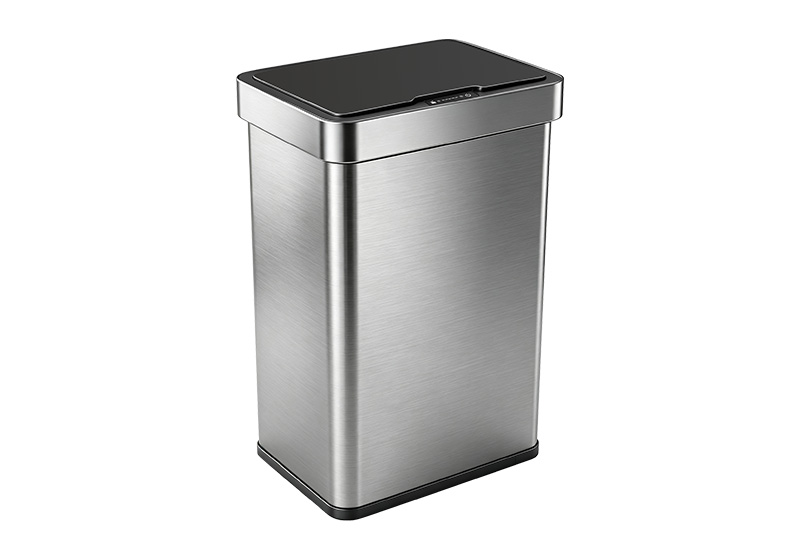
For a practical reference point, our HN-ZT-W sensor trash bin uses a quiet sliding lid, four operating modes, caster wheels, and an integrated bag-storage box. Its stainless-steel and ABS construction is available in 22, 30, 42, and 50 L sizes for indoor settings such as kitchens, clinics, and open-plan offices. Those details support the contact-reduction goal because staff can match capacity, movement, and lid behavior to the site instead of forcing one setup everywhere.
Power and service access affect whether touchless operation remains dependable. Our HN-ZT-W uses six AA alkaline batteries, and sensor-bin battery life is typically four to six months under the supplied operating conditions. A facility should record the installation date, watch for slower or inconsistent movement, and replace batteries as a complete set before performance becomes disruptive. Keeping liners close to the waste point also prevents unnecessary trips during servicing.
A short rollout check keeps the contact benefit from disappearing after installation. Facilities teams should test the approach angle during real traffic, confirm that the lid completes each cycle, and make sure the cleaning method does not leave residue over the sensing area.
*Observe several normal disposal actions instead of staging one perfect demonstration.
*Add the lid, sensor area, and surrounding floor to the routine cleaning check.
*Review liner fit and battery status when false openings or slow movement appear.
The bin should also sit inside the wider hygiene routine. People still need to wash their hands after handling garbage, and cleaners still need appropriate procedures for bags and contaminated surfaces. Touchless opening is valuable precisely because it removes one frequent contact without pretending to remove every risk.

Motion sensing earns its place when it removes a repeated lid touch at a genuinely busy waste point. The strongest result comes from matching placement, opening behavior, capacity, and service access to daily traffic, then keeping cleaning and handwashing in the process. That is a focused operational improvement, not a claim that the receptacle alone controls hygiene.
If your team is planning a high-traffic waste point, contact us at Hi-na Lifestyle; we can help you compare the appropriate indoor capacity, sliding-lid behavior, operating mode, and service access before a rollout.
No. They remove routine lid contact during disposal, but users and cleaners still handle waste, bags, controls, and nearby surfaces. Cleaning and handwashing remain necessary.
Place them where many people discard waste and can approach the sensor clearly. Avoid tight corners, swinging doors, and constant pass-by traffic that may trigger unwanted openings.
The supplied expectation is four to six months. Actual timing depends on opening frequency and operating conditions, so facilities should record installation dates and monitor lid behavior.
Yes, when the bin’s capacity, approach path, liner fit, and cleaning access match the space. Touchless opening helps most when users often carry food scraps or packaging.
次の表に記入してください。できるだけ早く返事します。