
当社の本社は中国広東省にあり、2015年から国内市場(10.00%)、欧州(40.00%)、米国(10.00%)、日本(10.00%)に販売しています。

 著者
著者
A private-label waste bin project can lose months when a concept, electronics package, and factory process are handled by separate vendors. An ODM partner gives a wholesale team one route from the first sketch to a repeatable shipment, while keeping the product useful in real kitchens, offices, and care settings.
The first development risk is not the lid mechanism; it is the gap between a market brief and a buildable product. A capable partner translates the brief into decisions about body shape, sensor position, lid travel, power access, liner handling, and the visual details that must survive production.
A good brief names the use situation before it names features. A distributor may need a narrow footprint for apartment kitchens, quiet movement for open-plan offices, or easy relocation for cleaning teams. Those conditions guide the sample geometry and help the team judge an automatic trash bin by use rather than by a long feature list.
The working sample should answer a short list of observable questions: Does the sensor react at the intended distance? Does the lid clear a wall or cabinet? Can a liner be changed without turning the bin upside down? Is the finish consistent across the visible panels? Recording these answers early prevents attractive but impractical revisions later.
An ODM partner can keep mechanical, electronic, and appearance decisions in the same revision record. That shared ownership matters because a small change in the lid frame can affect the motor load, battery access, sound level, and carton dimensions at once. A single change log makes the consequences visible before a purchase order is released.

Mass production rewards a stable architecture that can support several market versions without creating a new factory problem for every order. The strongest programs separate the common platform from the elements that customers genuinely need to customize.
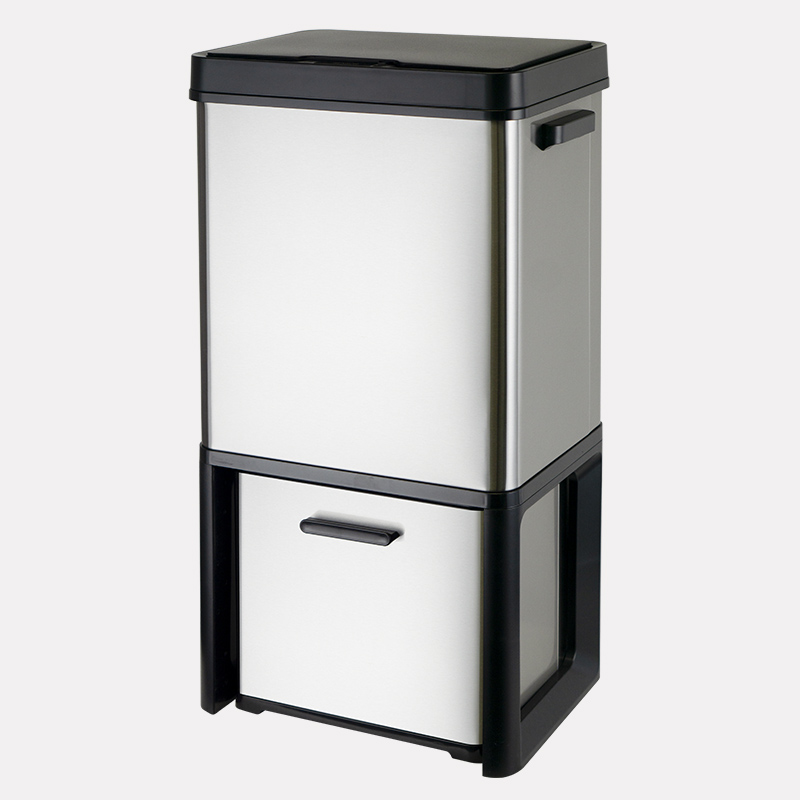
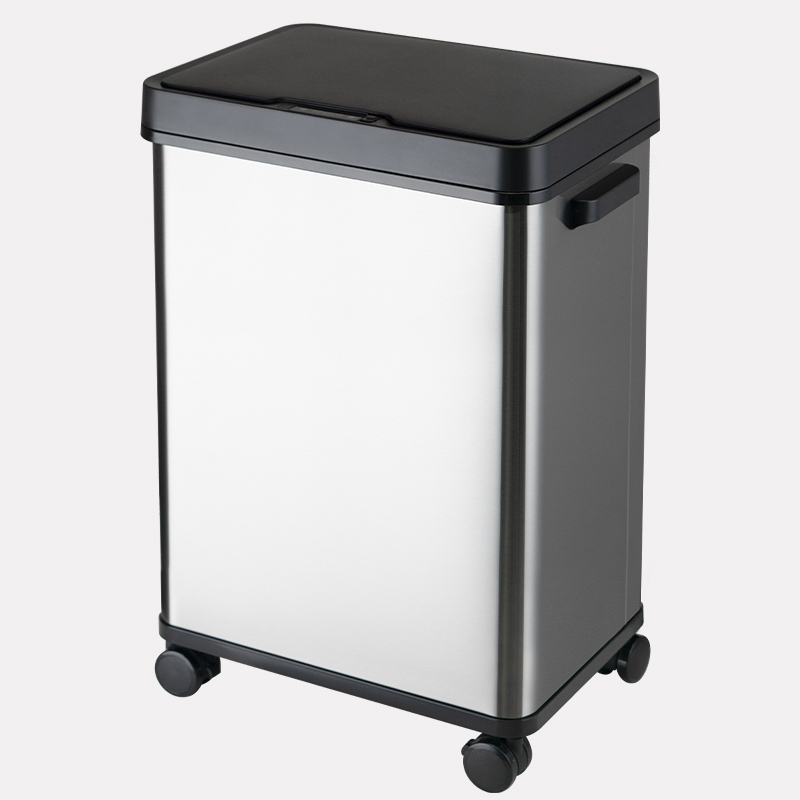
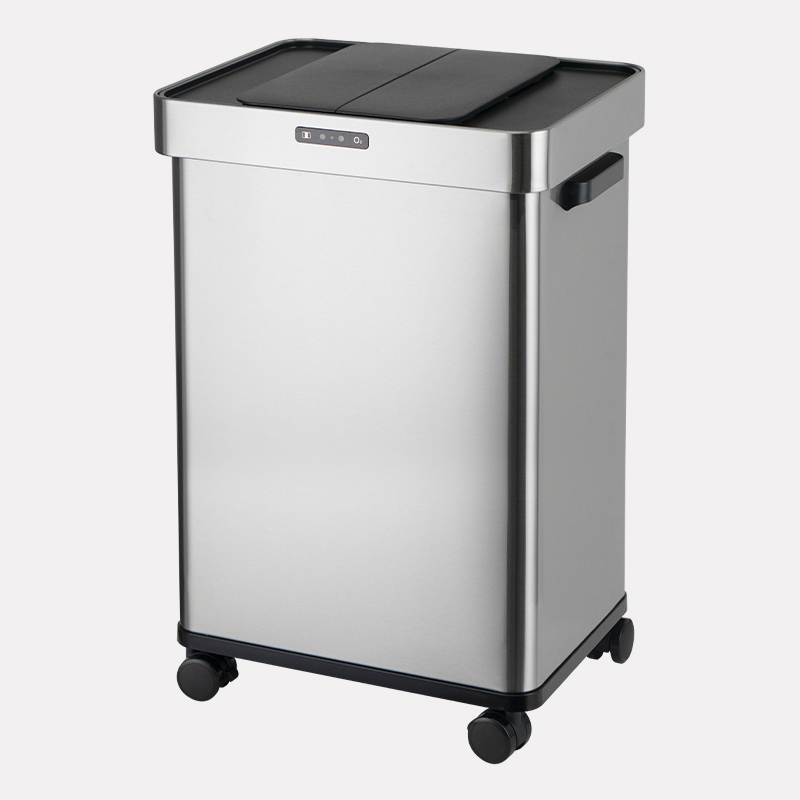
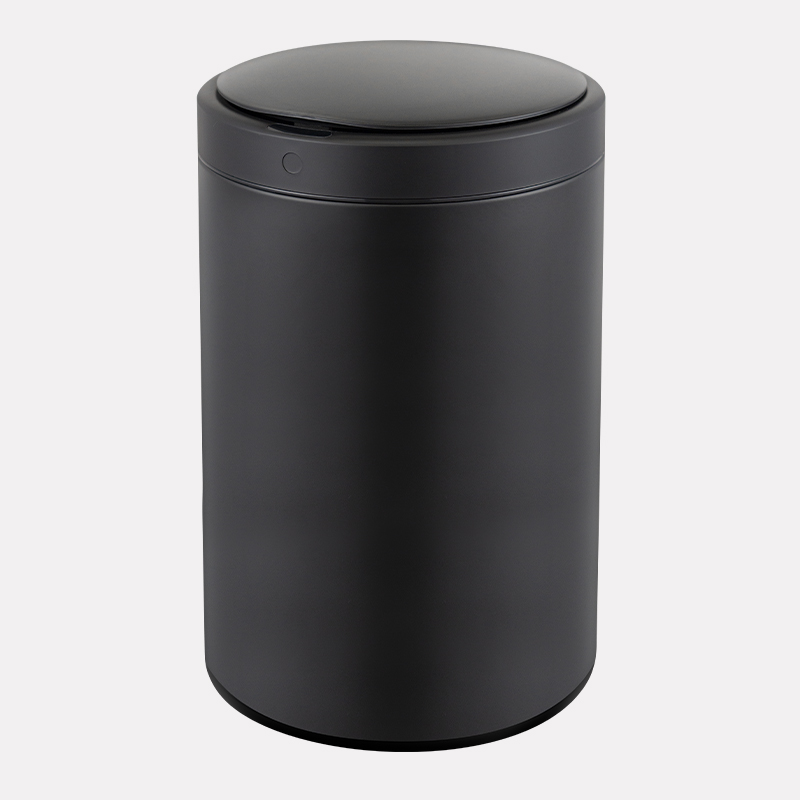
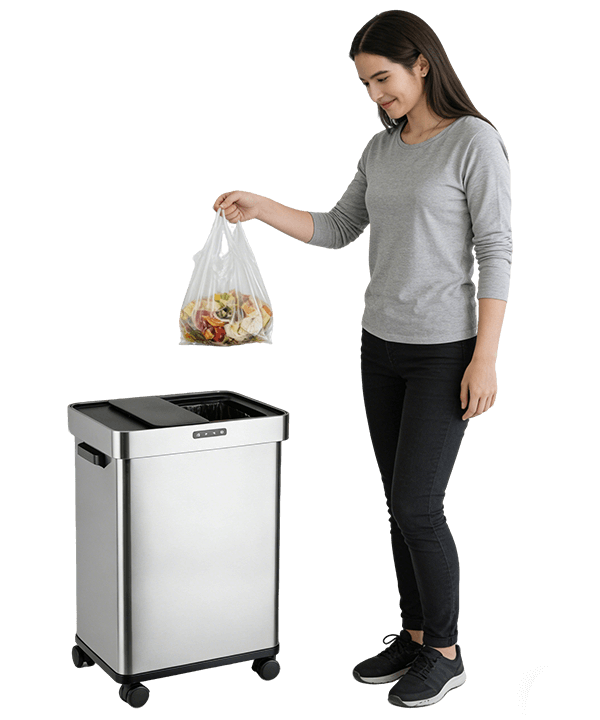
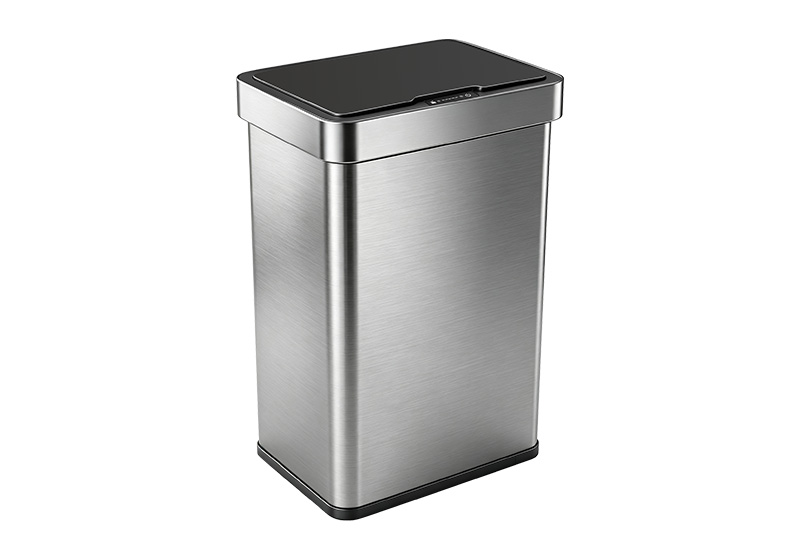
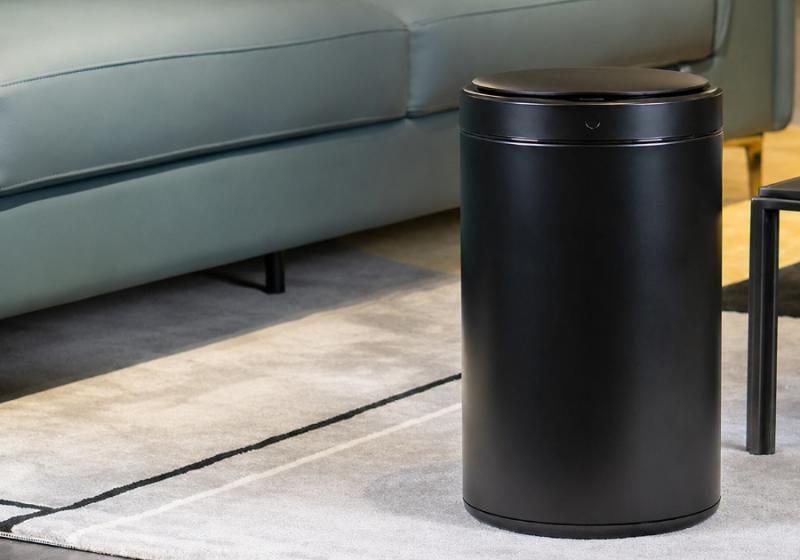
Hi-na Lifestyle develops sensor bins in rectangular and slim square forms from 12 L to 72 L, giving a project team room to match capacity and footprint. This sensor trash bin platform includes the HN-ZT-W sliding model, which combines stainless steel and ABS, a quiet lid, four operating modes, optional casters, and an optional ozone deodorization upgrade.
A shared platform makes sample comparison fairer because buyers can evaluate motion response, lid sound, liner storage, and cleaning effort without confusing a design change with a size change.
Logo placement, color, and panel finish matter only when the core interaction stays dependable. An ODM/OEM program should define the logo zone, button labels, and carton artwork alongside the sensor range and opening cycle. That order keeps branding from covering a service panel or making a touchless kitchen trash can difficult to wipe down.
| Development checkpoint | What the team verifies | Why it protects the launch |
| Concept brief | Use setting, capacity, footprint, and appearance priorities | Prevents a sample that fits the factory but misses the channel |
| Engineering sample | Sensor response, lid clearance, sound | Turns assumptions into observable decisions |
| Pilot run | Material consistency, assembly time, packaging, and finish | Exposes repeatability issues before volume production |
| Pre-shipment review | Function, appearance, labeling, and carton condition | Creates a clear release decision for the order |
The move from approved sample to mass production is where an ODM partner earns trust. A production bridge connects the frozen design to materials, assembly, and the checks that determine whether a shipment is ready.
A practical quality plan follows the product through three points: raw materials, semi-finished assemblies, and finished units. For a stainless body, that means checking panel dimensions and visible finish before assembly. For the lid system, it means confirming sensor response, smooth travel, and quiet closing after the electronics and housing are joined.
The same logic applies to a motion sensor trash can sold under a private label. The buyer should receive a defined inspection record, not a promise that every unit is “just like the sample.” A clear acceptance list can cover appearance, opening cycles, mode selection, battery access, and packaging marks.
*Sensor response and lid travel match the approved sample.
*Visible panels, finish, and logo placement meet the signed standard.
*Controls, battery access, labels, and cartons pass the release check.
Packaging is part of product development because a damaged corner or blocked service panel becomes a channel cost. Prototype reviews should include drop-risk points, protective inserts, carton labeling, and the time needed to reach batteries or controls. This is especially useful when the same smart trash bin will be shipped to different distributors with different warehouse routines.
The right partner is the one that can explain how a decision moves through design, tooling, assembly, and inspection. Ask to see the revision path, the sample approval record, the quality checkpoints, and the exact boundary between standard platform features and your private-label changes.
Hi-na Lifestyle combines in-house R&D, production, and sales with its own molds and design patents. Its sensor bins use stainless steel with fingerprint-proof coating or stainless steel oil printing, and its quality system covers raw, semi-finished, and finished stages. The company supports CE and RoHS requirements and ISO 9001 quality management, which gives a wholesale team a concrete base for launch documentation.

An ODM partner speeds smart bin development by making the path visible: define the use case, test a working sample, protect the common platform, and carry the approved design through measurable production gates. The next decision is not simply which sensor bin looks best; it is whether the partner can keep your user experience, logo program, and quality checks aligned from prototype to shipment.
For private-label programs, Hi-na Lifestyle can discuss an ODM/OEM route and enterprise LOGO customization around the appropriate bin family. That conversation is most useful when the brief already states the target capacity, placement, finish, and service expectations.
An ODM partner can coordinate architecture, samples, tooling, production setup, quality gates, and packaging while the buyer defines the brief and approval criteria.
Often yes, when the housing, control logic, and service access are designed as a platform. The exact capacity mix still needs sample and production validation for each version.
Decide the logo zone, finish, and artwork before the design is frozen. Late changes can affect sensor lid, tooling, wipeability, labels, and packaging.
The useful difference is the complete interaction: sensing, controlled lid movement, service access, operating modes, and a repeatable quality process. The label alone does not prove those outcomes.
次の表に記入してください。できるだけ早く返事します。