Factory vs Trading Company: Where Should You Source Smart Sensor Bins in 2026?
著者
15th 6月 2026
You probably don’t know who you’re actually talking to
Right now, plenty of “factories” across various platforms are trading companies. Borrowed photos. Samples sourced from three different suppliers depending on what you ask for.
Before you compare prices, ask for a live video walkthrough of the production line. Not photos. Not a promotional video from 2019. Live. Right now.
A real factory says yes without hesitation. A trading company starts making excuses.
Here’s what a real factory looks like from the inside:
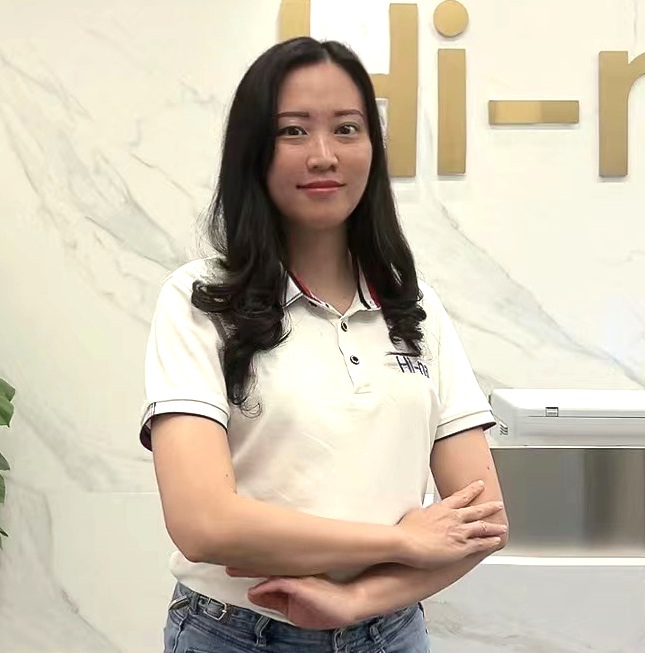
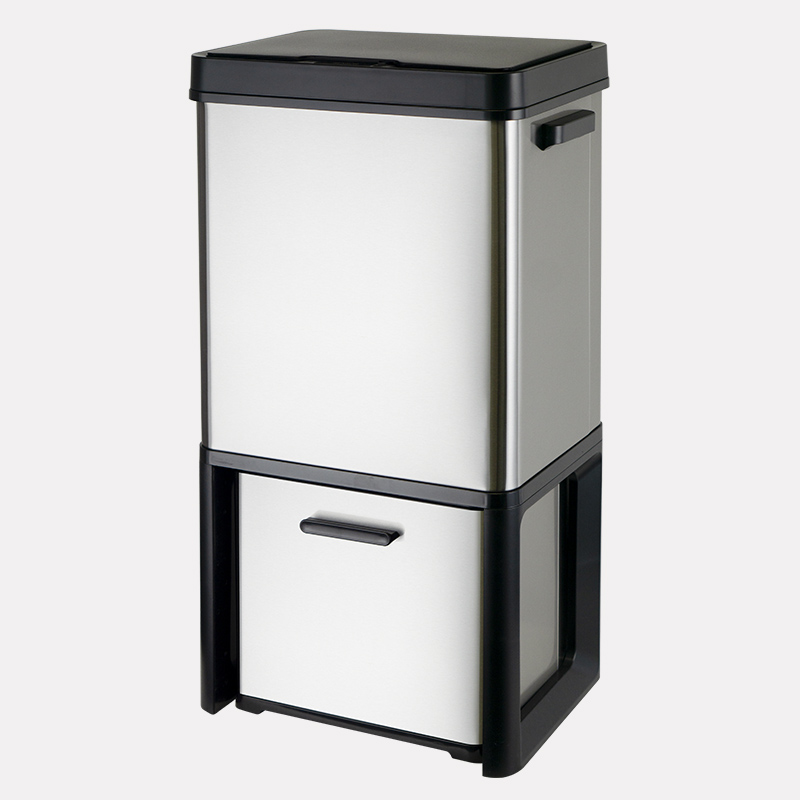
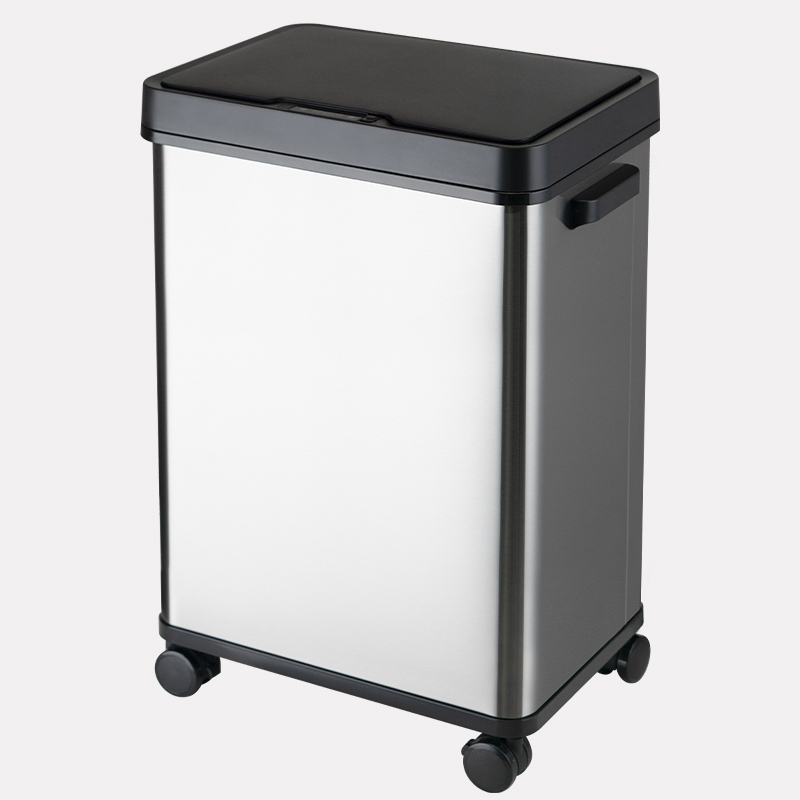
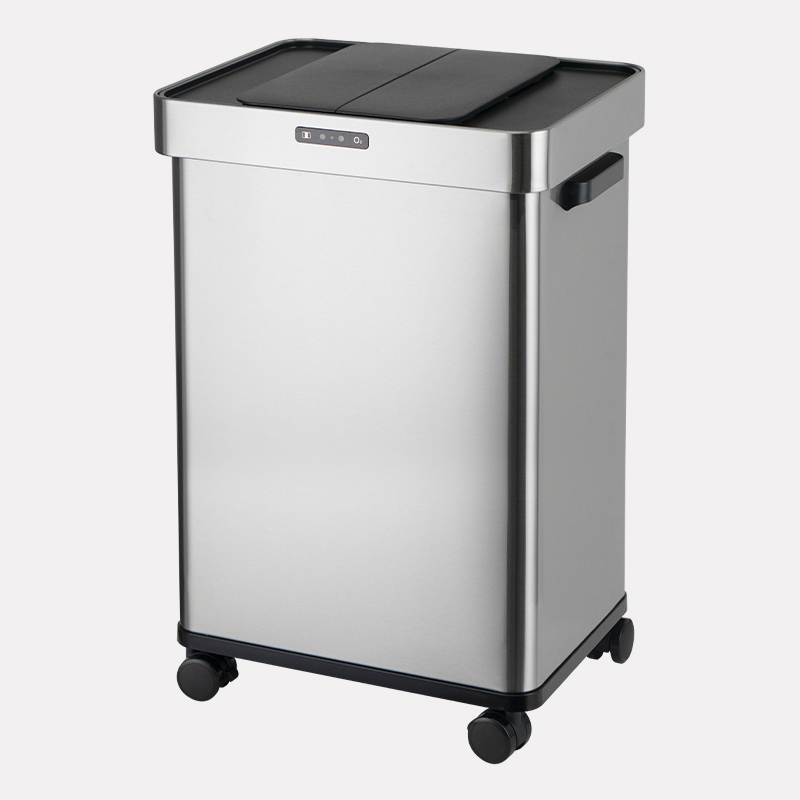
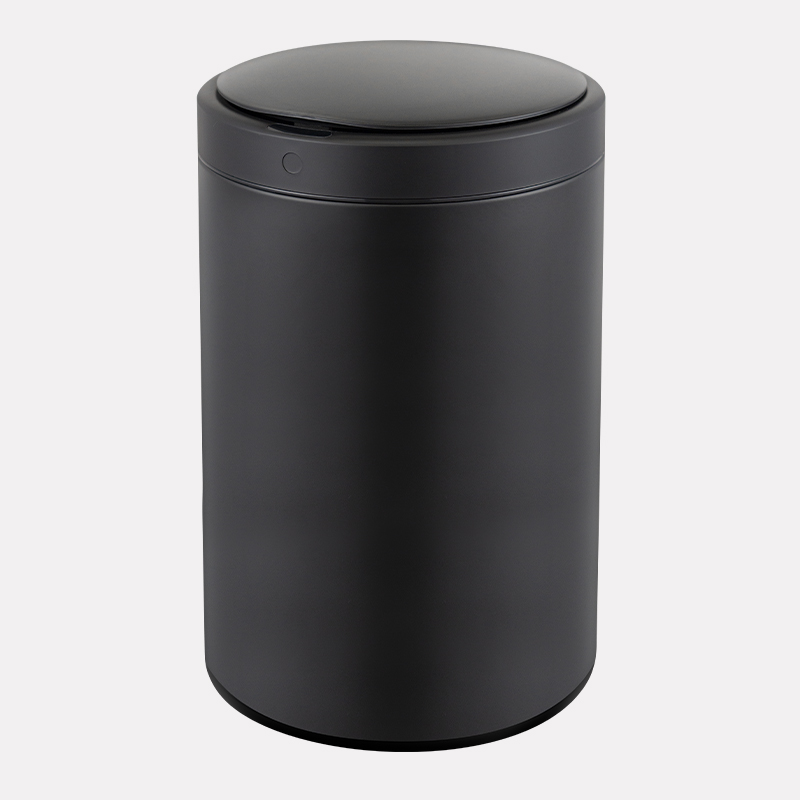
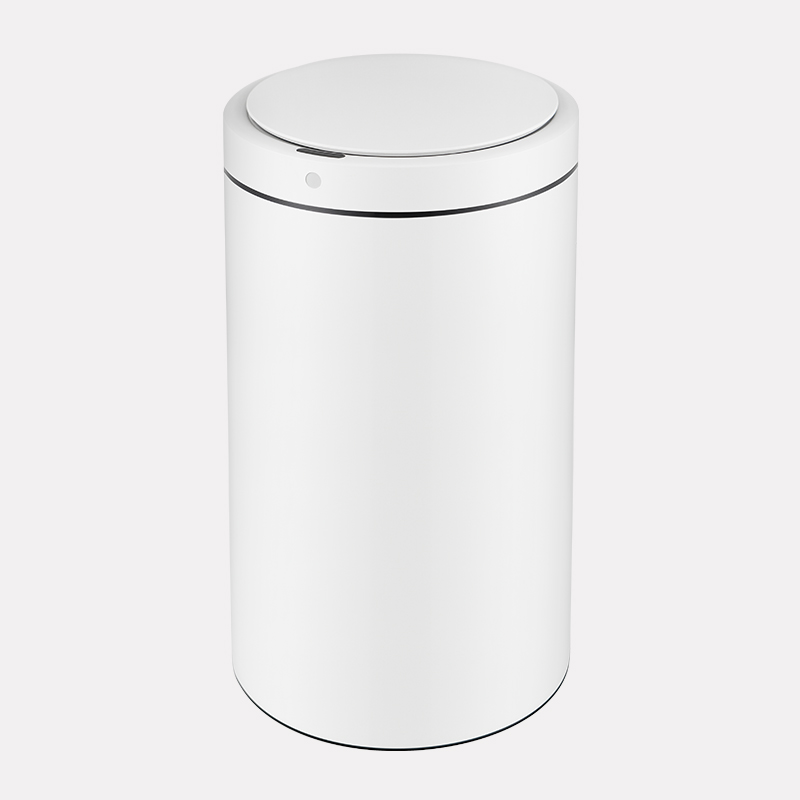
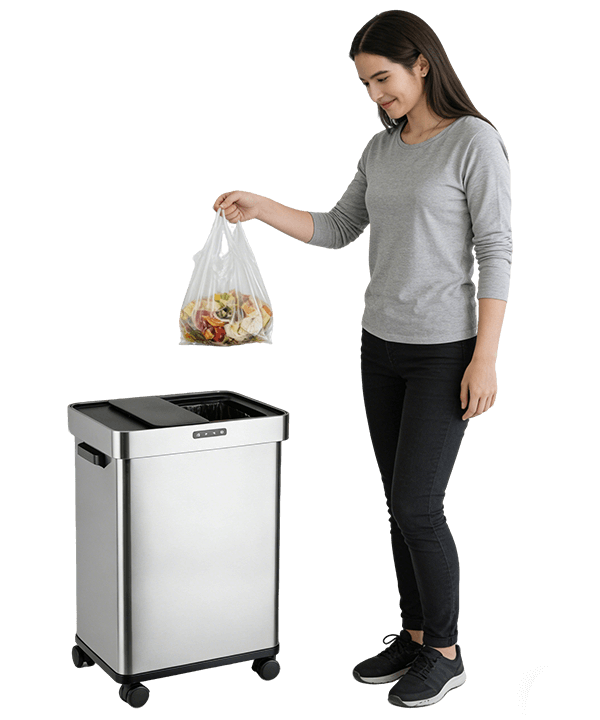
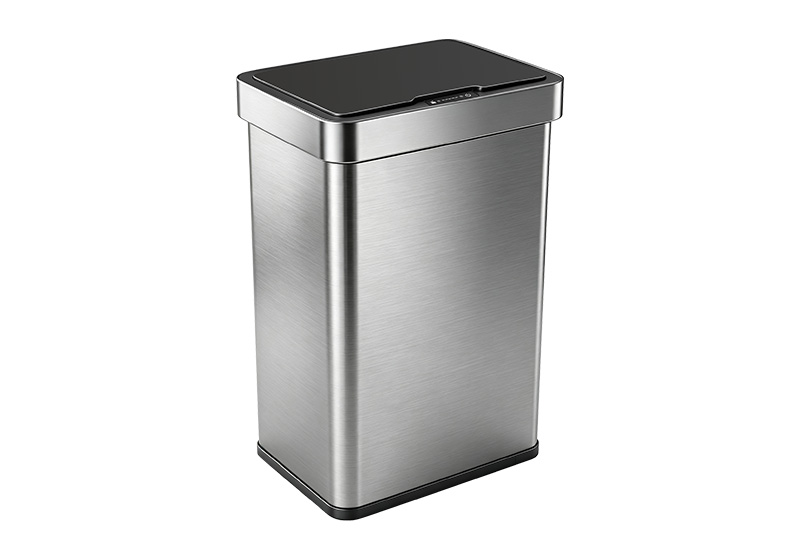
Hi-na Lifestyle has been manufacturing sensor bins in Zhongshan, Guangdong since 2015 — over a decade focused on one product category: smart sensor bins, from 18L bathroom units to 72L commercial-grade bins.
Not diversified across 50 product lines. Not sourcing from subcontractors. One factory, one focus.
Everyone’s asking about price — but asking the wrong question
Sourcing through a trading company typically adds 15–30% to your unit cost. But the bigger issue isn’t the margin — it’s that they can’t explain why the product costs what it costs.
At Hi-na, if you have a requirement, we sit down and work through it — over a call or video: dimensions and specs, motor selection, packaging options. We build every bin with stainless steel or powder-coated cold-rolled sheet. We can tell you the exact material grade, the sensor component spec, and the labor breakdown per unit.
That kind of conversation only happens with people who actually built the product.
OEM and private label: a trading company simply cannot do this
Want your own brand, your own colorway, custom specs — you need to talk directly to a factory.
Trading companies have no molds, no R&D team, no ability to execute. They’d end up going to a factory anyway, and you’d be paying for a middleman who contributed nothing.
At Hi-na, we hold 20+ design and utility model patents — covering everything from lid mechanisms to bag-retention structures. These aren’t borrowed designs. Every mold is ours.
We’ve done exclusive ODM models for retail chains. The entire process was a direct conversation between the buyer and our design team. No middleman. No translation delays.
When something goes wrong, who’s actually responsible?
With a factory: clear chain of accountability. We pull production records, trace the batch, solve the problem. Our QC covers every stage — incoming materials, in-process, and finished goods.
Our sensor response time is calibrated to under 0.5 seconds with an adjustable sensing range of 10–30cm. When a unit leaves our factory, it’s been tested. When something still goes wrong — and occasionally it does — we own it.
With a trading company: you call them, they call their factory, their factory has no contract with you. In the end, nobody is truly responsible for anything.
Certifications: don’t just ask “do you have CE?” — ask to see it
We hold CE and RoHS certification for export to Europe, the US, Japan, and markets across the Middle East, Southeast Asia, and North Europe. The certificates are tied to specific model numbers — not a generic company-level document.
When your retail buyer or Amazon compliance team asks for documentation, you hand them the actual cert. That’s it.
When does a trading company actually make sense?
Small-quantity, multi-category mixed shipments for trial orders. That’s the one scenario.
If your order is heading toward a full container — you should probably start thinking about consolidating with a supplier that fits your actual scale.
Before you talk to any supplier, ask these 5 questions:
Can you walk me through the production line on video right now?
Do you own your molds?
Can I speak directly with your R&D engineer?
Can you show me the CE certificate for this specific model number?
What happens if I receive a defective batch?
Listen to how they answer — not just the words, but whether they sound like someone who controls the process or someone who has to make a phone call first.
Ready to talk to the actual manufacturer?
Hi-na Lifestyle — smart sensor bin manufacturer based in Zhongshan, Guangdong.
Established 2015 — 10+ years in sensor bin manufacturing