
当社の本社は中国広東省にあり、2015年から国内市場(10.00%)、欧州(40.00%)、米国(10.00%)、日本(10.00%)に販売しています。

 著者
著者
For importers, distributors, retailers, e-commerce sellers, and private label brands, sourcing a smart sensor trash can is often not just about choosing an existing model. Many buyers also need a product that matches their brand positioning, sales channel, target market, and customer expectations.
Short Answer: An OEM smart sensor trash can project can include customization in logo, color, surface finish, packaging, lid structure, function combinations, sensing distance, material, capacity, instruction manuals, and retail positioning. Confirming these details before production can help reduce misunderstanding and make the product more suitable for the target market.
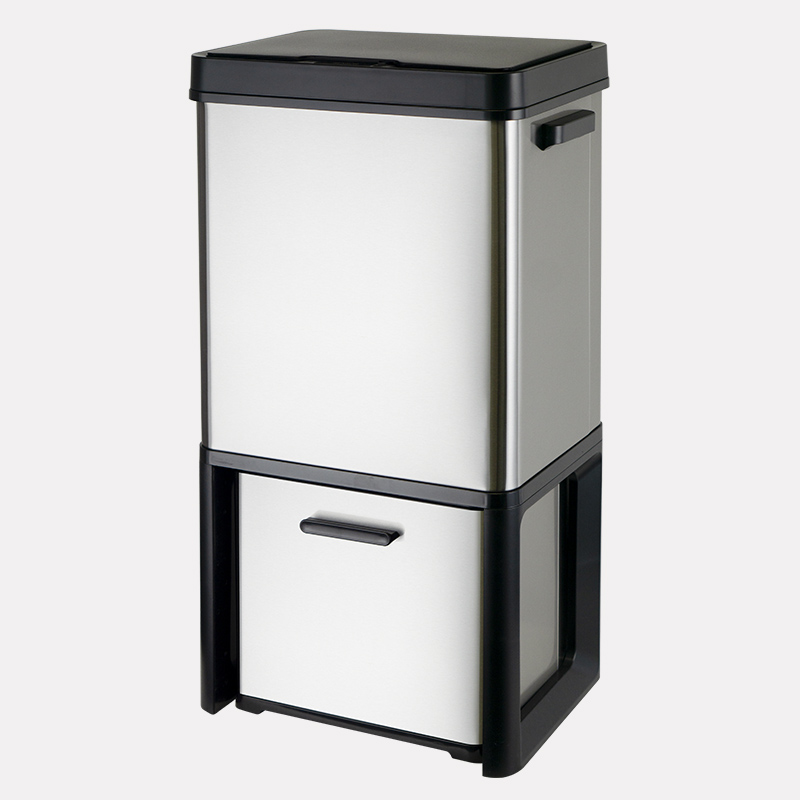
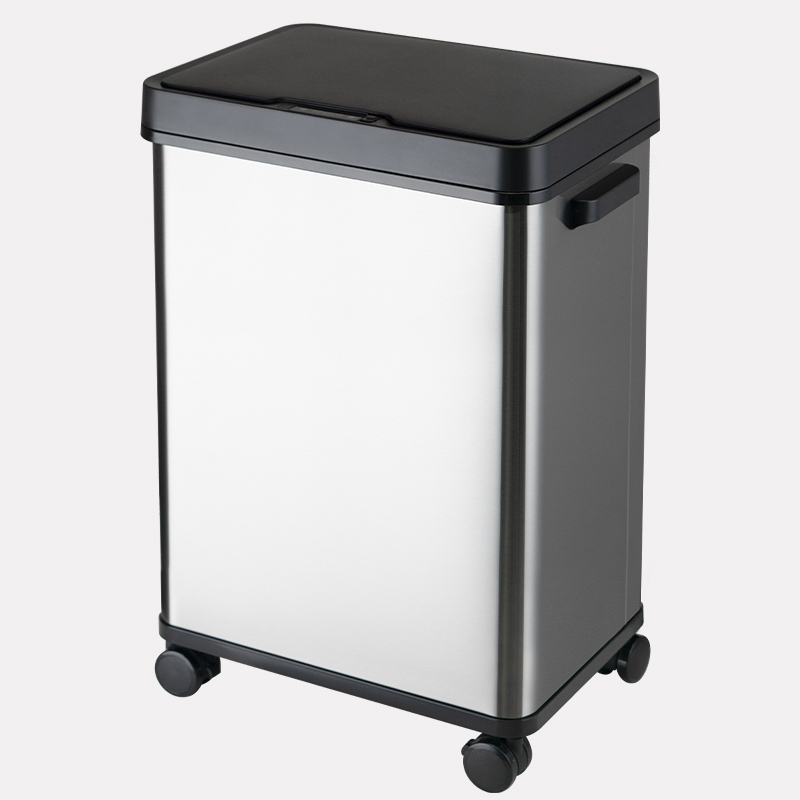
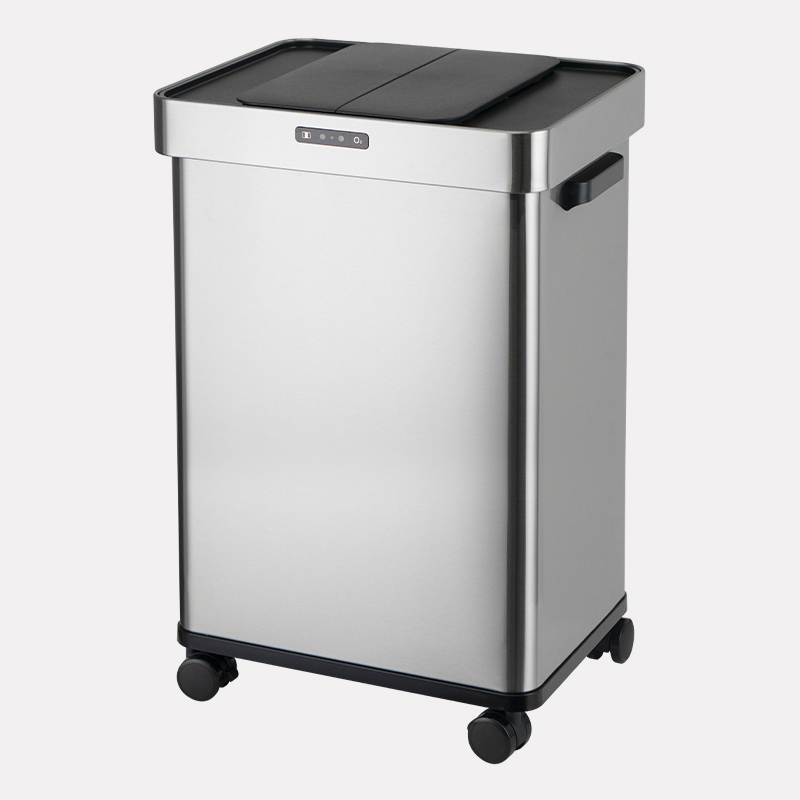
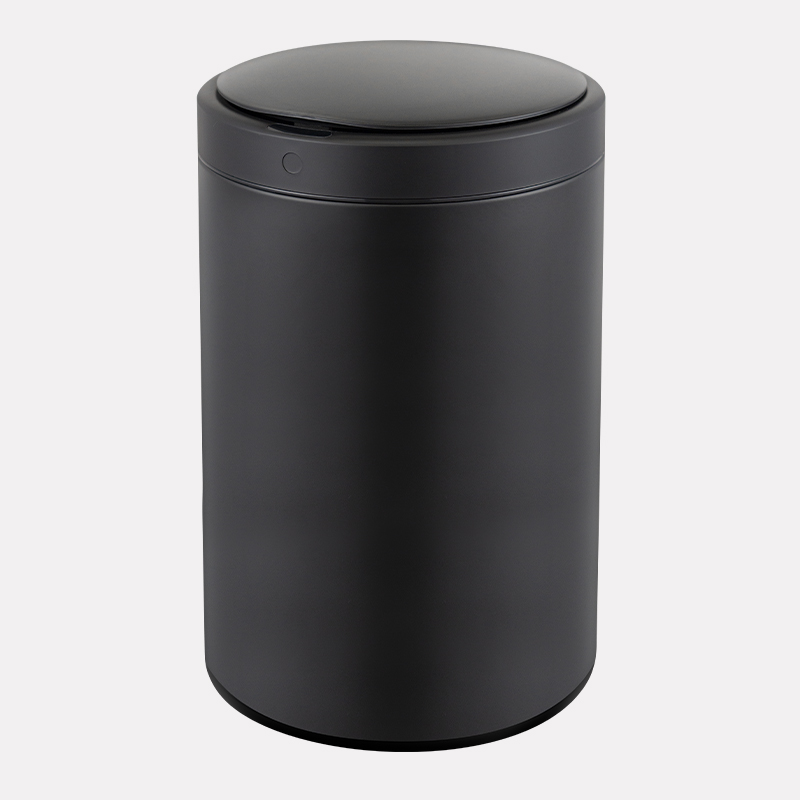
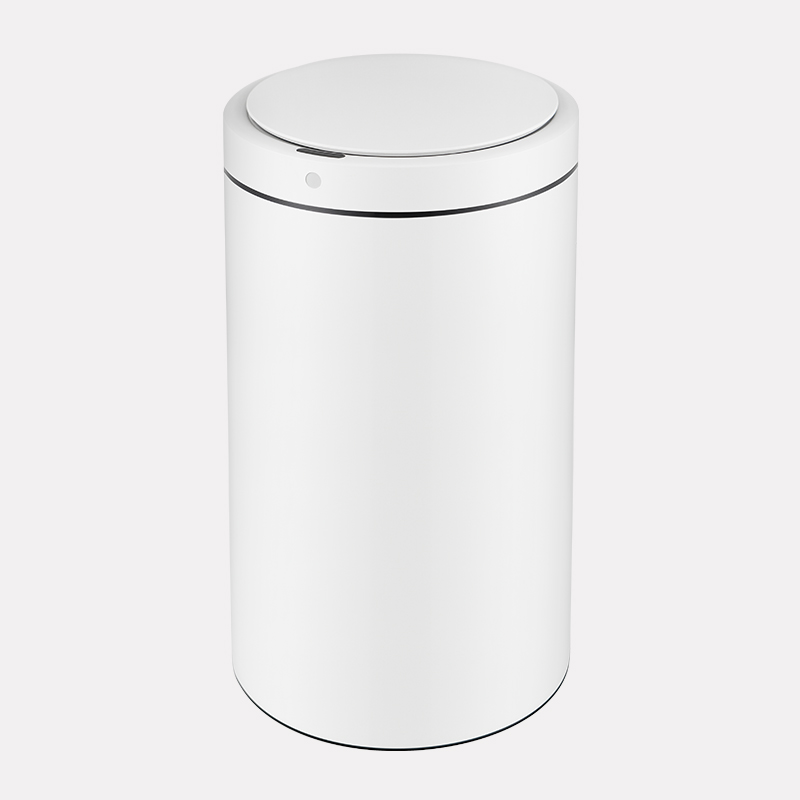
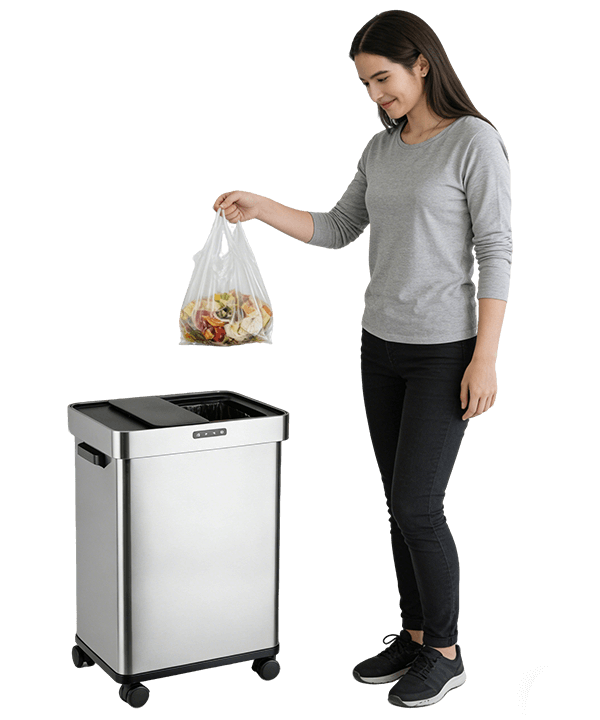
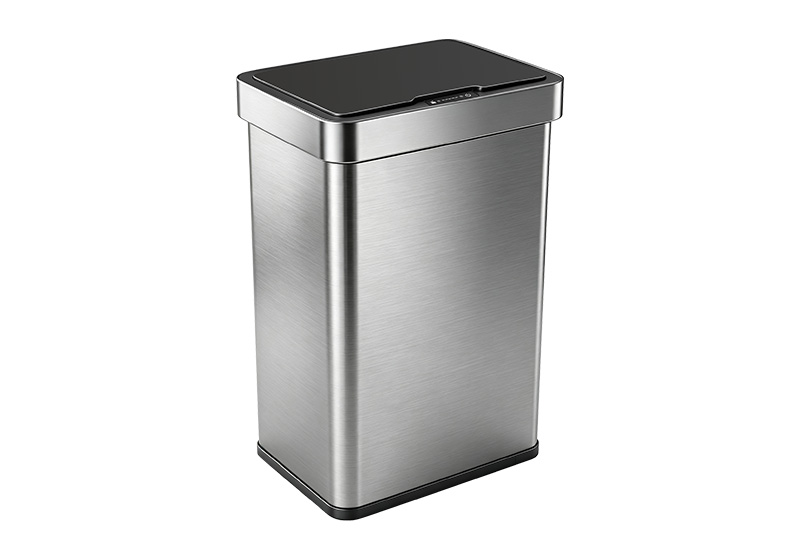
Hi-Na Lifestyle develops and manufactures smart sensor trash cans for global buyers. The product range includes hands-free sensor bins, sliding sensor bins, ozone deodorizing trash cans, and stainless steel smart bins for home and commercial use.
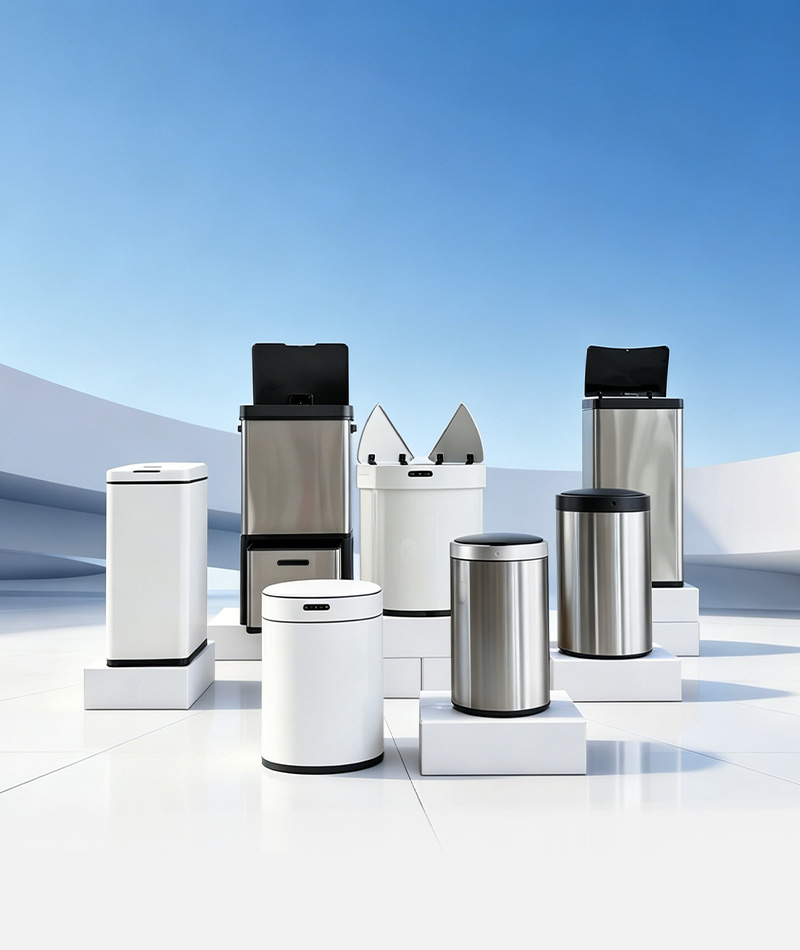
An OEM smart sensor trash can is a smart waste bin manufactured according to the buyer’s brand and product requirements. The supplier provides product development and production support, while the buyer can customize selected parts based on market needs.
This type of project is common for retail shelves, e-commerce platforms, hotel supply, home improvement brands, and private label product lines. The actual customization scope usually depends on the selected model, order quantity, production schedule, and technical feasibility.
Different markets may need different trash can designs. Apartment kitchens, hotel rooms, offices, bathrooms, and retail shelves may have different expectations for appearance, function, size, and packaging.
For example, an e-commerce seller may focus more on protective packaging, product images, and easy-to-understand functions. A retail brand may care more about color consistency, carton design, and shelf presentation. A hotel supply buyer may pay more attention to durability, easy cleaning, and daily user experience.
OEM customization helps buyers avoid a generic product and create a smart sensor bin that better fits their sales scenario.
Logo customization is one of the common options in an OEM project. A brand logo helps present the product as part of a consistent homeware or smart home product line.
Depending on the selected model and project requirements, the logo can be applied to suitable product surfaces, packaging, instruction manuals, or marketing materials.
Before confirming logo customization, buyers should check the logo file format, size, placement, printing method, color requirements, MOQ, and sample approval process.
Color and surface finish can affect whether the product fits the target market’s home style and retail positioning. For stainless steel smart bins, buyers often care about whether the product looks clean, modern, and suitable for kitchens, bathrooms, offices, or hotel spaces.
Buyers can confirm available colors, surface texture, color consistency in bulk production, fingerprint visibility, scratch resistance, cleaning convenience, and compatibility with the packaging design.
Packaging is not only for product protection. It also affects the customer’s first impression of the product. For a smart sensor trash can, the packaging should protect the body, lid, sensor area, and surface finish while clearly communicating the main features.
Common packaging customization options include outer carton, retail color box, product images, feature icons, barcode area, instruction layout, brand colors, warning labels, and shipping marks.
For e-commerce sales, buyers should also pay attention to packaging strength, inner protection, carton size, and protection during transportation.
A clear instruction manual can reduce customer confusion and after-sales questions. This is especially important for smart sensor trash cans with automatic opening, sliding lid structure, dry battery power, and ozone deodorization.
A customized manual can include brand logo, model information, battery installation guide, sensor operation instructions, ozone function instructions, cleaning and maintenance notes, troubleshooting, safety reminders, and language options.
The lid structure affects both product appearance and user experience. A flip lid usually opens upward, while a sliding lid moves horizontally.
A sliding lid structure can help reduce large air movement during opening and closing, which may help limit odor diffusion. For kitchens, apartments, bathrooms, hotel rooms, and modern home spaces, a sliding sensor bin can be positioned as a practical feature.
When choosing the lid structure, buyers can consider the target usage scenario, product positioning, lid opening space, operating noise, motor stability, cleaning convenience, and odor-control needs.
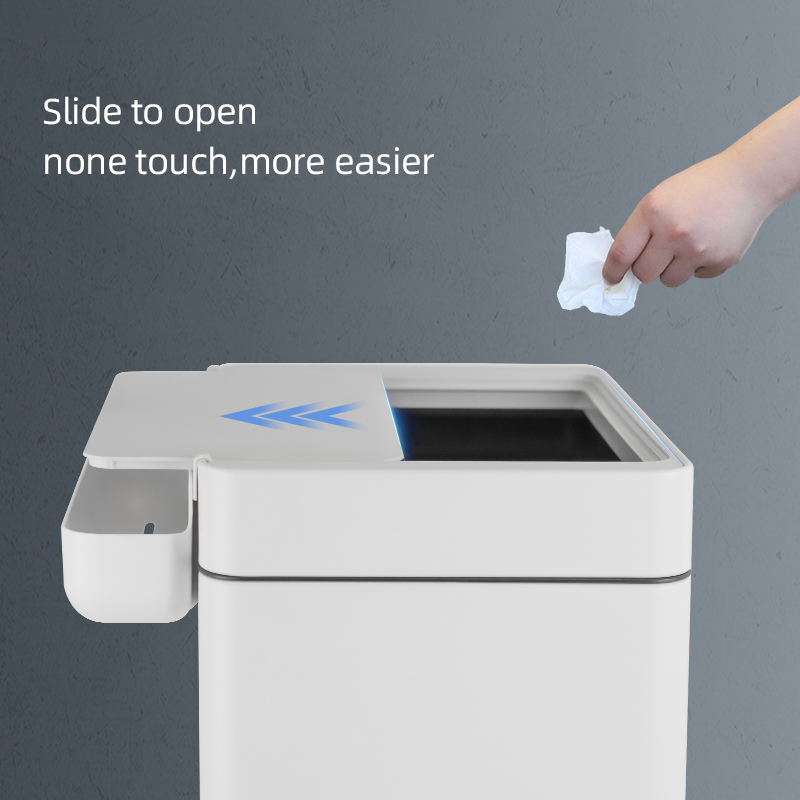
Function combination is an important part of smart sensor trash can customization. Some Hi-Na Lifestyle smart sensor bin models support ozone deodorization. After pressing and holding the ozone function button for 3 seconds, the LED indicator turns green, the lid closes automatically, and ozone is released inside the bin for 5 minutes.
Ozone, or O3, has oxidation ability. It can react with certain odor-causing substances and gradually convert back to oxygen after the reaction. This function can help reduce odor inside the trash can and is suitable for kitchen waste, seafood waste, chopped onion, leftovers, bathroom waste, and pet-related waste.
Other useful functions may include hands-free sensing, automatic closing, smart stay-open, and adjustable sensing distance.
Adjustable sensing distance helps the smart trash can adapt to different room layouts. If the sensing distance is too long, the lid may open when people pass by. If the sensing distance is too short, users may need to place their hand too close to the sensor.
Hi-Na Lifestyle smart sensor bins support three sensing distance settings: 10 cm, 20 cm, and 30 cm.
10 cm is suitable for narrow kitchens, small bathrooms, or high-traffic areas. 20 cm is suitable for daily home use. 30 cm is more suitable for open spaces or situations where a longer sensing range is needed.
This feature can also be highlighted in product listings, manuals, packaging, and sales materials to help customers understand the product more easily.
Material affects durability, appearance, cleaning convenience, and retail positioning. Stainless steel is commonly used for smart sensor bins because it offers a clean appearance, good durability, and easier maintenance for kitchens, bathrooms, and office spaces.
Buyers can confirm stainless steel body options, surface finish, color, plastic component quality, lid material, inner structure, cleaning convenience, and overall appearance consistency.
Some Hi-Na Lifestyle smart sensor bin models support a slim width of 25 cm. This design is suitable for placement beside cabinets, counters, bathroom corners, desks, or narrow spaces. It can be useful for apartments, small kitchens, bathrooms, hotel rooms, and offices.
Trash can capacity should be selected based on the actual usage scenario. Bathrooms, kitchens, offices, and hotel rooms may require different capacities because waste volume and available floor space can vary.
In an OEM project, buyers can plan capacity according to kitchen use, bathroom use, office use, hotel rooms, apartments, pantries, daily waste volume, floor space, target retail price, and sales channel.
A suitable capacity can make the product easier for end users to understand and easier for sellers to present on product pages or retail packaging.
Dry battery power allows the smart sensor trash can to be used without plugging into an outlet. This makes placement more flexible in kitchens, bathrooms, bedrooms, offices, hotel rooms, pantries, laundry rooms, and rental apartments.
Buyers can confirm the battery compartment design, replacement method, daily use expectations, and manual wording before production.
An OEM project should consider not only the product itself, but also where and how it will be sold. Amazon, e-commerce platforms, supermarket shelves, home improvement channels, hotel supply channels, and private label catalogs may require different product presentation strategies.
Buyers can plan the main selling points, product title direction, packaging message, feature icons, instruction language, target customers, price positioning, visual style, and product photo needs.
For example, e-commerce channels may focus on hands-free opening, odor control, slim placement, and easy cleaning. Retail packaging may need simple visual communication and clear product images.

Before sampling or mass production, buyers should confirm the following details:
Selected model
Logo requirements
Color and surface finish
Packaging design
Instruction manual language
Lid structure
オゾン脱臭機能
Sensing distance settings
10cm、20cm、30cmのセンシングオプション
スマートな常時開機能
Capacity needs
Quality control requirements
Sample approval process
Production timeline
Shipping packaging requirements
Clear confirmation before production can help reduce revision time and support a smoother OEM process.
Hi-Na Lifestyle focuses on the development and manufacturing of smart sensor trash cans for importers, distributors, retailers, e-commerce sellers, and private label brands.
The products are designed around practical daily-use needs, including hands-free opening, odor control, sliding lid structure, adjustable sensing distance, stainless steel body, easy cleaning, and modern appearance.
Working directly with a manufacturer can help buyers improve product consistency, customization flexibility, and long-term product development planning.
よくある質問
Buyers can usually customize selected items such as logo, color, surface finish, packaging, instruction manual, lid structure, function combinations, sensing distance, material, capacity, and retail positioning. The final customization scope depends on the selected model and production requirements.
Yes. Hi-Na Lifestyle supports private label and OEM/ODM projects for importers, distributors, retailers, and e-commerce sellers.
Yes, ozone deodorization can be included in suitable models. This function is designed to help reduce odor inside the bin and can be useful for kitchen waste, bathroom waste, seafood waste, chopped onion, leftovers, and pet-related waste.
Hi-Na Lifestyle smart sensor bins support three sensing distance settings: 10 cm, 20 cm, and 30 cm. Buyers can choose the suitable setting based on kitchens, bathrooms, offices, hotels, or other use scenarios.
Yes. Packaging customization can include retail color box, product images, feature icons, brand colors, shipping marks, instruction layout, and protective packaging structure.
No. Some Hi-Na Lifestyle smart sensor bin models support a slim width of 25 cm. The exact dimensions should be confirmed according to the selected model.
Buyers should confirm the main customization details before sampling and mass production. Early confirmation of logo, color, packaging, function, sensing distance, capacity, and material requirements can help reduce misunderstanding and revision time.
OEM smart sensor trash can customization is not only about adding a logo. It can also include appearance, packaging, function, lid structure, sensing distance, material, capacity, instruction manuals, and retail positioning.
For B2B buyers, confirming these details before production can help create a product that better fits target customers, sales channels, and brand direction. A well-planned OEM project can also make product features easier for end users to understand.
Looking for an OEM smart sensor trash can manufacturer?
Hi-Na Lifestyleは、世界中の輸入業者、販売代理店、小売業者、プライベートブランド向けに、スマートセンサー式ゴミ箱を開発・製造しています。スマートセンサー式ゴミ箱、スライド式センサー式ゴミ箱、オゾン脱臭式ゴミ箱、モーションセンサー式ゴミ箱、ステンレス製スマートゴミ箱などのOEM/ODMサポートが必要な場合は、製品オプション、カスタマイズの詳細、お見積もりについて、弊社チームまでお問い合わせください。
Webサイト: https://www.hinalifestyle.com/
Email: chloe.zh@hi-na.cn
WhatsApp: +86 18025694229
Phone: +86 76022602261
次の表に記入してください。できるだけ早く返事します。