
- Home
-
Blog

The 140th Canton Fair: A Successful Showcase of Smart Home Innovation by Hi-Na
Hi-Na Lifestyle successfully showcased its smart sensor bin collection and brand-new Smart Laundry Basket at the 140th Canton Fair. We connected with buyers from around the world, shared innovative home solutions, and explored new business opportunities. The exhibition may be over, but new partnerships are just beginning. We look forward to growing together with our global partners!

Motion Sensor Trash Cans for Commercial Hygiene
Inside active kitchens, medical clinics, corporate offices, and hospitality back-of-house areas, touching a lid creates an unwanted interruption. Furthermore, it adds an extra physical touchpoint. A motion sensor trash can lets staff throw away garbage using a quick hand wave. Consequently, teams maintain a disposal habit that stays much cleaner. This process is also easier to repeat throughout the day. Genuine value comes from building steady daily habits. It does not come from having a trendy device.
Why touchless disposal matters in shared spaces
Communal waste areas experience frequent contact from individuals walking through the room. Well-positioned smart sensor trash cans lower the requirement to press a lid or raise a flap. As a result, employees can hold onto a tray, wear a safety glove, or grip a cleaning tool while they throw away trash. This basic adjustment promotes smoother workflows during peak hours.
Improving hygiene relies heavily on accurate placement and regular upkeep. These factors matter just as much as the actual sensor technology. Placing a bin close to where trash is generated reduces the carrying distance. Moreover, this setup minimizes messy drips and prevents overflow. Clear bag replacements, rigid cleaning schedules, and adequate volume make sure the hands-free function remains genuinely useful. It stops the feature from being merely a visual addition.
Where the workflow improves first
Commercial kitchens secure a distinct advantage. Staff can throw away food scraps without touching a dirty lid between different tasks.
Clinics and healthcare centers can reduce communal touchpoints. This applies specifically around standard, non-hazardous waste areas.
Open-plan offices can maintain easy-to-reach bins. They achieve this without relying on foot pedals or dealing with loud lid noises.
Inside an active kitchen, a kitchen sensor trash can needs to react to a hand holding food, wrappers, or thick gloves. Therefore, facility teams should evaluate the entire user interaction. They should not merely look at the basic sensor specifications.
Sensor performance shapes the hygiene experience
The sensor must react fast enough to match natural human motion. Additionally, it has to close gently to prevent multiple manual touches. Incorrect triggers create a completely different problem. For instance, the lid might open when individuals simply walk by. This flaw drains battery power and causes staff to lose trust in the device. A reliable detection range and a consistent closing delay serve as excellent hygiene safeguards.
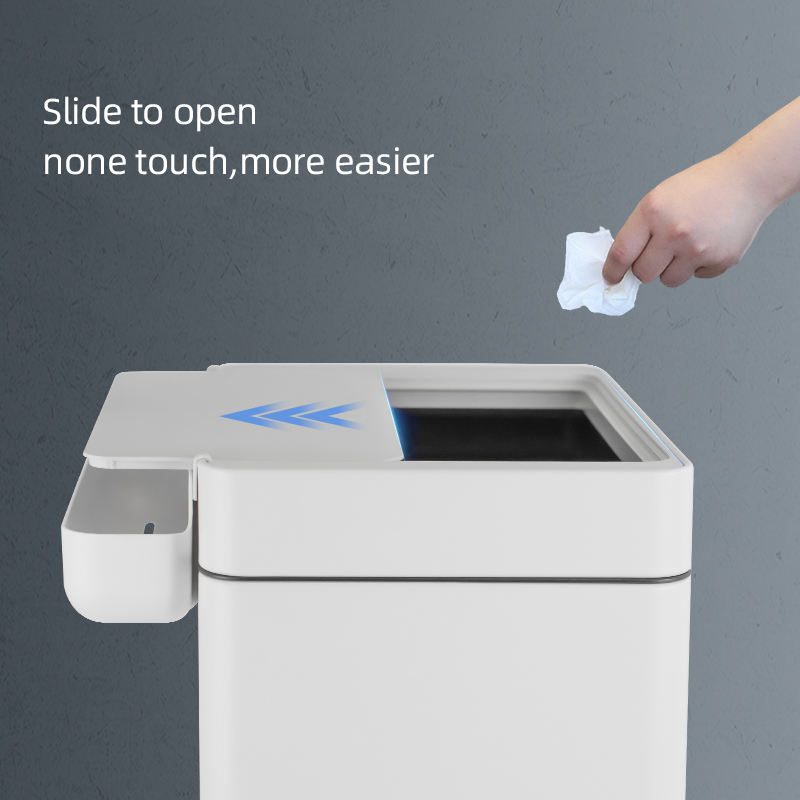
Sound levels greatly influence how readily users accept the product. Inside offices, medical clinics, and front reception spaces, a silent open-and-close motion prevents the trash area from turning into a noisy distraction. The HN-ZT-W sliding sensor trash bin features a lid built specifically for quiet operation. Furthermore, it provides four distinct working modes. These modes can be easily modified to fit various daily room activities.
A simple operating check for teams
Evaluate the sensing range by copying the exact hand motions that employees perform.
Observe a full opening and closing cycle. Look closely for any motor hesitation, physical scraping, or unexpected reopening events.
Confirm that the plastic bag edge remains fully inside the main container. It absolutely must not obstruct the electronic sensor path.
Capacity and placement should follow waste flow
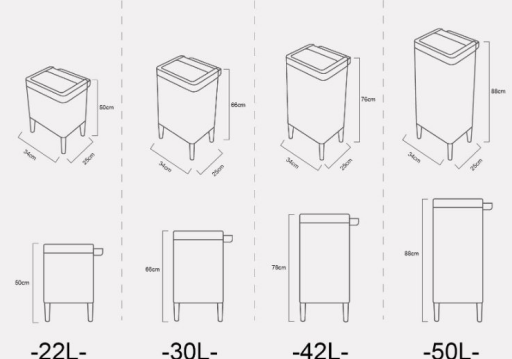
Selecting the right volume becomes simple when you look at actual trash generation rather than just measuring room dimensions. A compact bin could fit a single desk area flawlessly. On the other hand, a larger receptacle is significantly more practical beside a busy food preparation counter. Hi-na Lifestyle manufactures sensor bins in sizes from 12L up to 72L. Consequently, this broad range helps distributors and facility managers align the physical size and emptying schedule with the specific location needs.
Operating element
Details to verify
Reason for importance
Foot traffic volume
The number of times people throw away trash during busy hours
Heavy usage rapidly exposes sluggish sensors and a lack of storage space
Physical space limits
Unobstructed area above the top cover and clear pathways around the unit
An excellent sensor might still struggle if nearby furniture restricts the lid movement
Maintenance schedule
The specific washing technique and the timetable for changing bags
Regular cleaning protects the electronic lens and helps manage bad smells
Movement requirements
Staying in one spot versus moving around occasionally
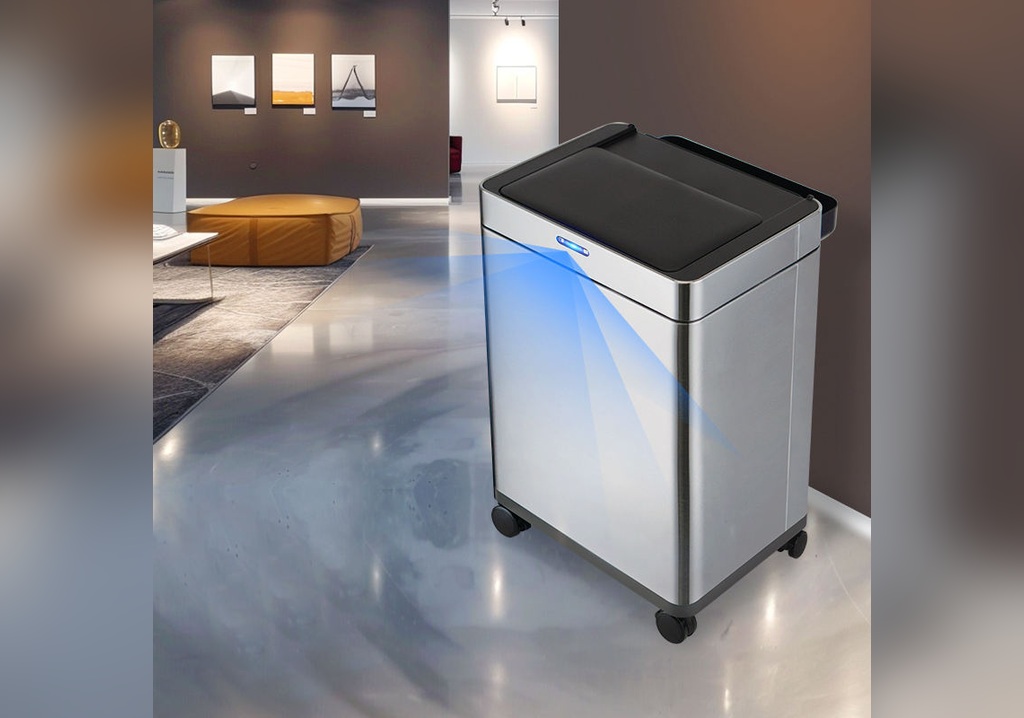
Wheel attachments help greatly when a container must travel across various work areas
A commercial sensor bin requires a dependable maintenance schedule. Distributors can demonstrate bag installation, washing techniques, and functional modes with much less effort. This happens when the entire product line operates uniformly across different building zones.
How a supplier can support consistent rollout
Business purchasers require a consistent product experience across several rooms or separate properties. Therefore, they must confirm identical sensor reactions, lid speeds, structural materials, and outside coatings in every single manufacturing batch. Hi-na Lifestyle combines internal research and development with rigorous quality inspections. These checks cover raw materials, partially completed components, and fully assembled bins. They supply both stainless steel and powder-coated cold-rolled metal options. These choices work well in diverse commercial settings.
A distributor looking to build a specific product line can utilize the official sensor trash bin catalog. This resource makes it easy to evaluate volumes and physical shapes. Afterward, they can assign the correct designs to specific buyer groups. Teams creating a custom brand collection should also review the available surface coatings and modification choices for their selected model.
A smart trash can is highly beneficial when its lid action, storage size, and cleaning requirements match the local environment. Facility managers should evaluate these specific factors during a standard work shift. Following this test, they should provide employees with brief maintenance guidelines. This training must cover the sensor lens, the plastic bag placement, and the washing timetable. That brief educational step transforms a simple hardware feature into a reliable sanitary habit.
Practical takeaway for commercial teams
Motion detection improves sanitation by eliminating a physical contact point during standard waste disposal. You should select the container size based on actual garbage output. Position the unit exactly where employees are actively working. Always verify the detection speed, closing action, sound levels, and washing accessibility prior to full installation. The correct commercial sensor bin ensures that the most sanitary action is also the simplest one to perform.
For bulk purchasing or large project orders, Hi-na Lifestyle remains available to plan the ideal product shape and branding strategy. This discussion can begin as soon as the intended use, required volume, and daily usage patterns are clearly defined.
FAQ
Do motion sensor trash cans improve hygiene in offices?
They successfully reduce physical lid contact at communal garbage stations. This benefit is particularly noticeable when the unit sits near office desks, printing machines, or staff break rooms. It also requires a rigorous cleaning timetable to work best.
Are touchless bins suitable for commercial kitchens?
These items are highly effective for managing standard food prep garbage. However, their physical volume, bag security, lens location, and washing schedule must perfectly align with the daily kitchen operations.
What causes a sensor bin to open too often?
Frequent triggers usually happen if the detection area points toward a highly active corridor. Additionally, shiny items sitting near the lens can cause issues. A top cover obstructed by a loose plastic liner will also create unwanted openings.
How should teams select bin capacity?
Analyze the maximum trash output during busy hours and check the current emptying schedule. Afterward, ensure there is adequate space for the liner to seal shut. It must never press up against the electronic lens or the top mechanical parts.
Can a commercial sensor bin be branded for distribution?
ODM and OEM partnerships can easily incorporate custom logo placements, unique product shapes, and various approved design modifications. These conversations typically happen after the primary market and specific use cases are firmly established.
How to Clean and Maintain a Stainless Steel Sensor Trash Can
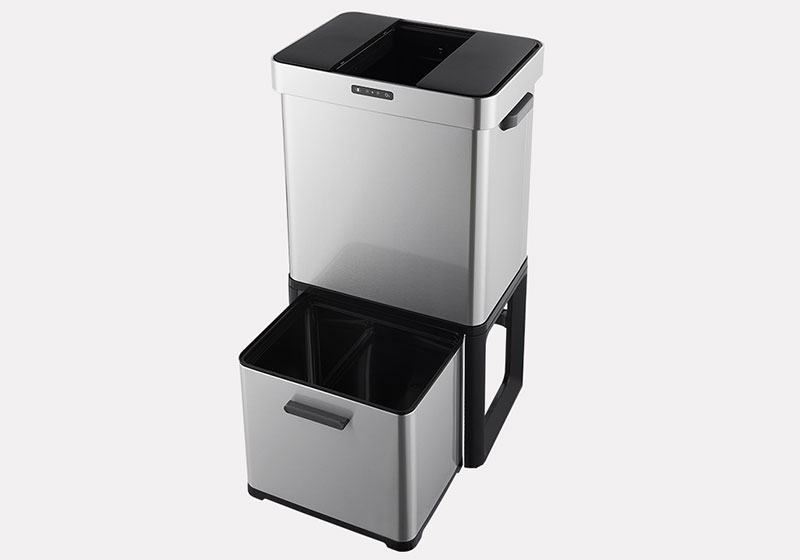
A stainless steel sensor trash can is designed for convenient, hands-free waste disposal in kitchens, bathrooms, offices, and other daily-use spaces. Like any frequently used household item, regular cleaning and simple maintenance can help keep the bin looking neat and operating smoothly.

How Does a Motion Sensor Trash Can Work? A Practical Guide to Hands-Free Waste Disposal
A motion sensor trash can is designed to open without requiring users to touch the lid. By detecting a hand, body movement, or nearby object, it can make daily waste disposal more convenient in kitchens, bathrooms, offices, and other shared spaces.
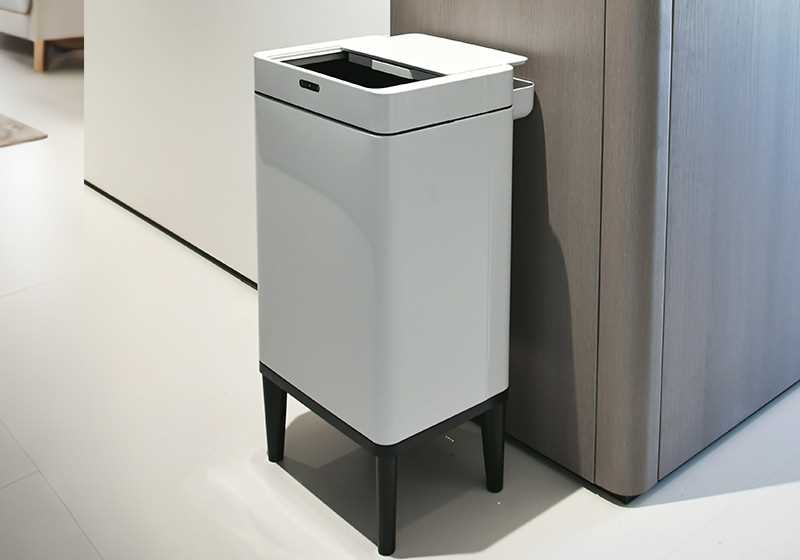
Troubleshooting for Commercial Sensor Bin Problems
A practical B2B troubleshooting guide for common commercial sensor bin problems, from false triggers to battery and lid checks.
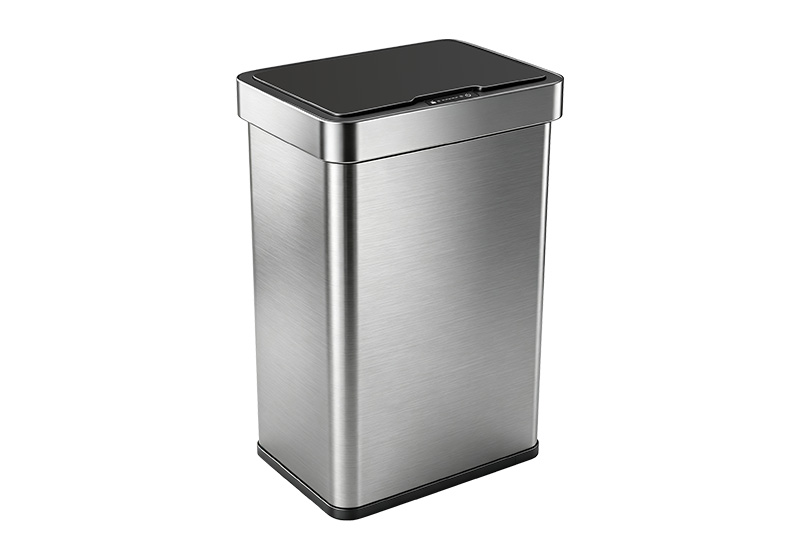
How to Keep a Kitchen Trash Can From Smelling: Features That Actually Matter
Kitchen waste can create unwanted odors quickly, especially when food scraps, packaging, and daily household waste collect in a limited space. For many households, managing trash-bin odor is not just about taking out the waste more often. The lid structure, opening method, material, and odor-control function can all affect the daily experience.
A smart sensor bin with practical odor-management features can help make kitchen cleanup more convenient and organized. Here are several features worth considering when choosing a kitchen trash can designed to help reduce odor concerns.
sensor dustbins’ factory
Welcome all customer to
Welcome all customer to
visit our company every time!
Please fill out the form below and we will get back to you as soon as possible.