
haina


Our Products

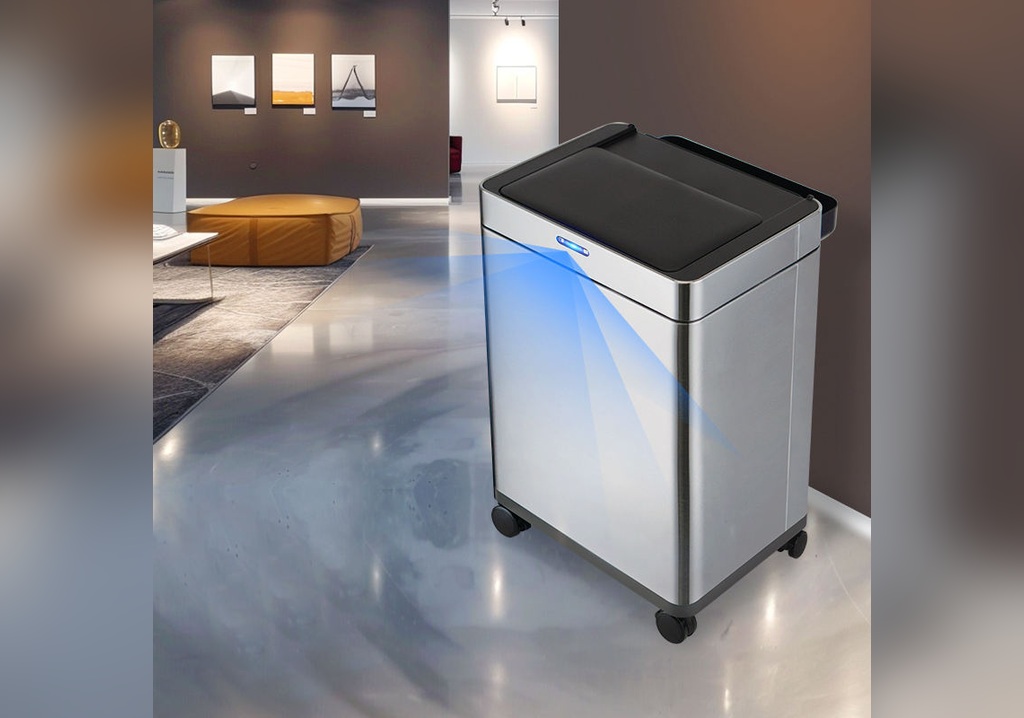
Double Open Recycling Sensor Bin
The HN-ZK bin features double sliding open design and ozone deodorization, made of stainless steel and ABS with wheeled mobility. Adjustable sensing distance and large capacity, it’s ideal for kitchen and pantry.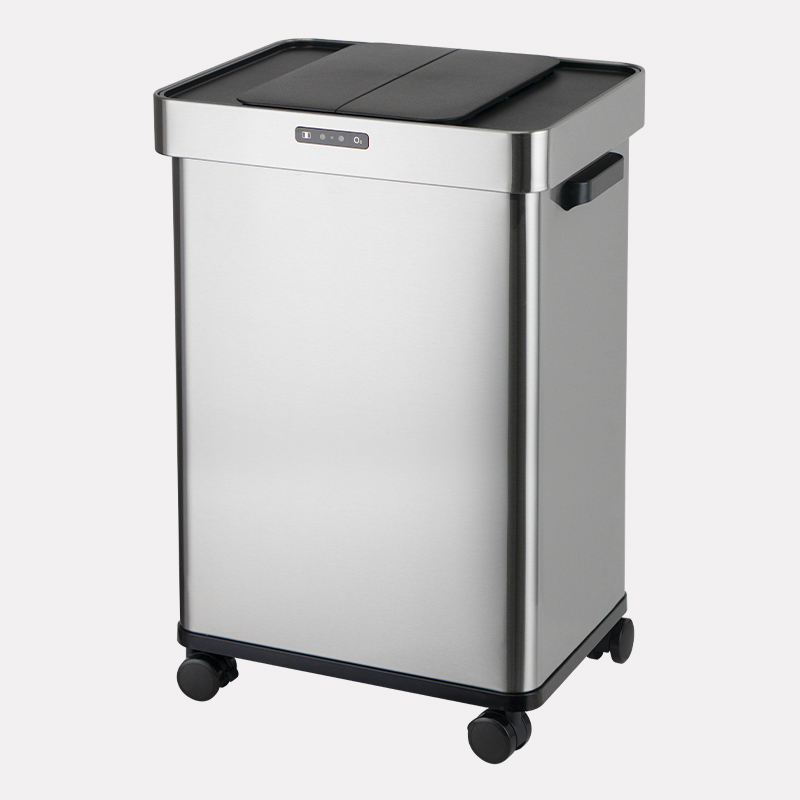
Double Open Sliding Sensor Bin
The HN-ZK-W bin features double sliding open design and ozone deodorization, made of stainless steel and ABS with wheeled mobility. Adjustable sensing distance and large capacity, it’s ideal for kitchen and pantry.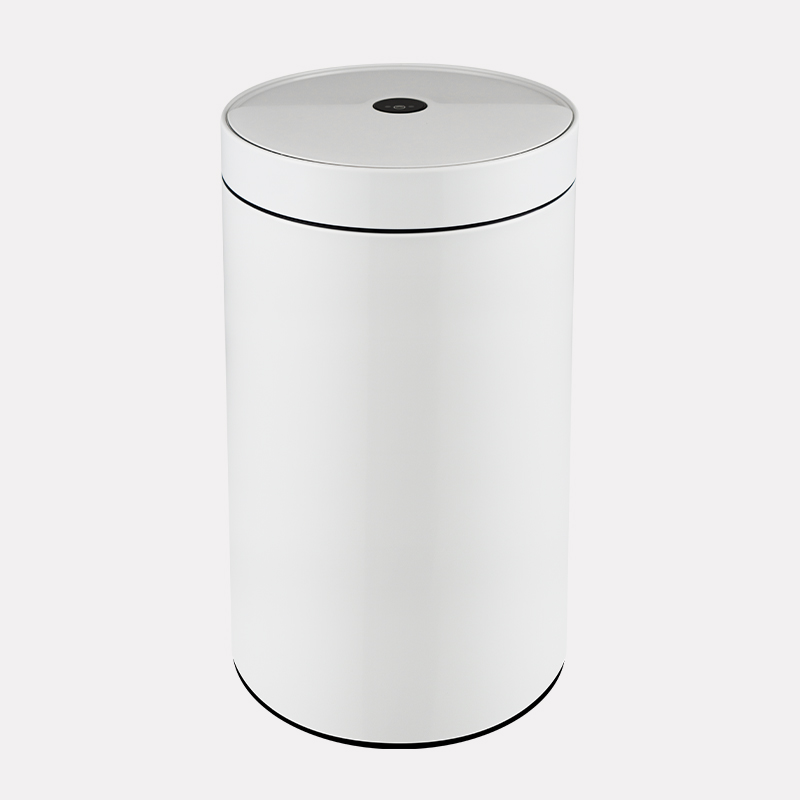
Rotary Round Sensor Bin
The 30L/42L cylindrical sensor bin boasts an edgeless round design and fingerprint-resistant stainless steel, comes in black/white/silver, offers 3 opening modes and optional ozone deodorization, rotary & silent opening, ideal for under-desk placement in office and home.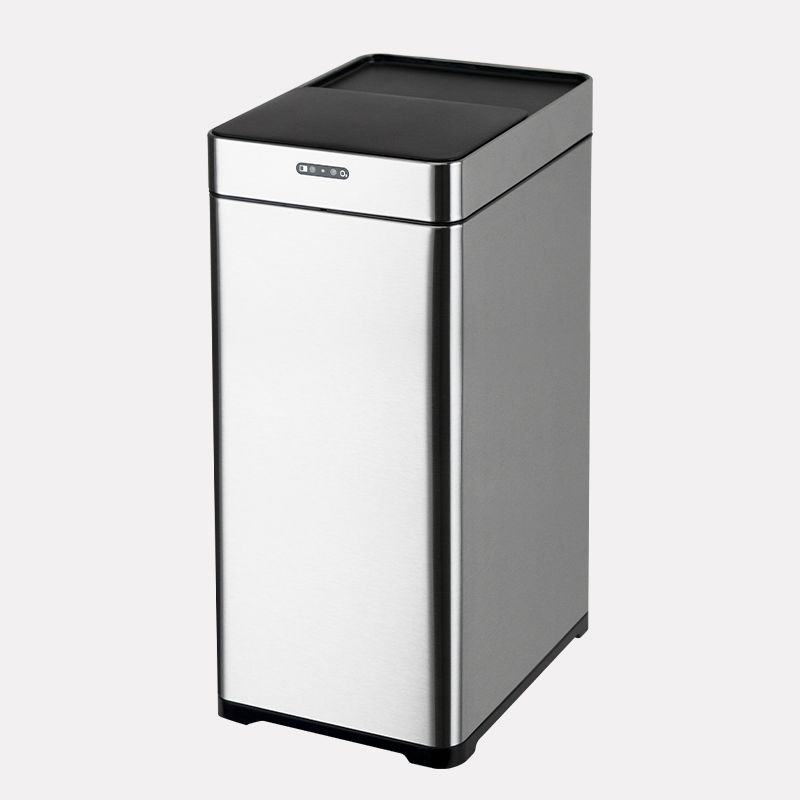
Sliding Sensor Bin
The HN-ZH sensor bin, made of stainless steel and ABS, features a built-in ozone generator, sliding & silent opening, and an optional foot stand, ideal for under-desk placement in offices.
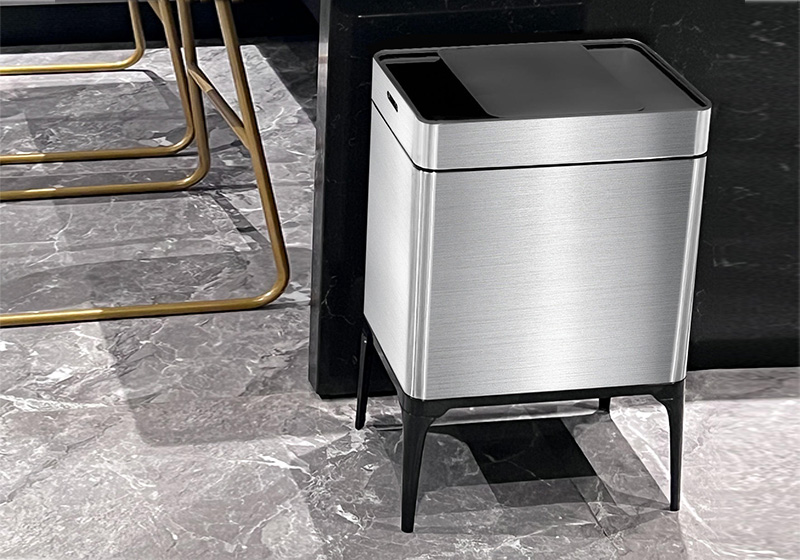
High Leg Sliding Sensor Bin
The HN-ZH sensor bin, made of stainless steel and ABS, features a built-in ozone generator, sliding & silent opening, and an optional foot stand, ideal for under-desk placement in offices.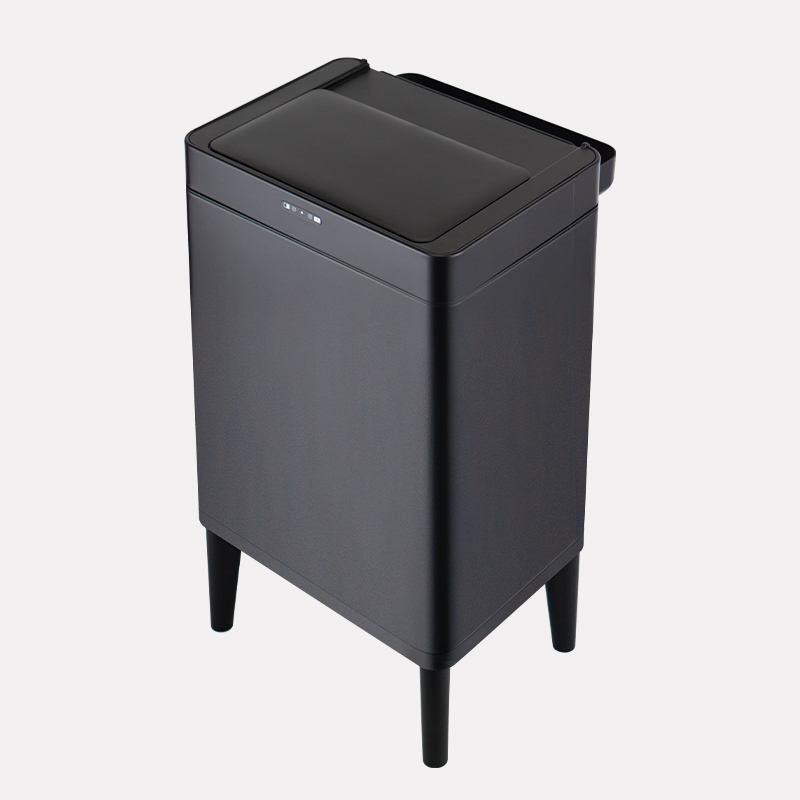
High Leg Rectangular Sliding Sensor Bin
The HN-ZT-L sensor bin, made of stainless steel and ABS, features a built-in ozone generator, sliding & silent opening, and an optional foot stand, ideal for under-desk placement in offices.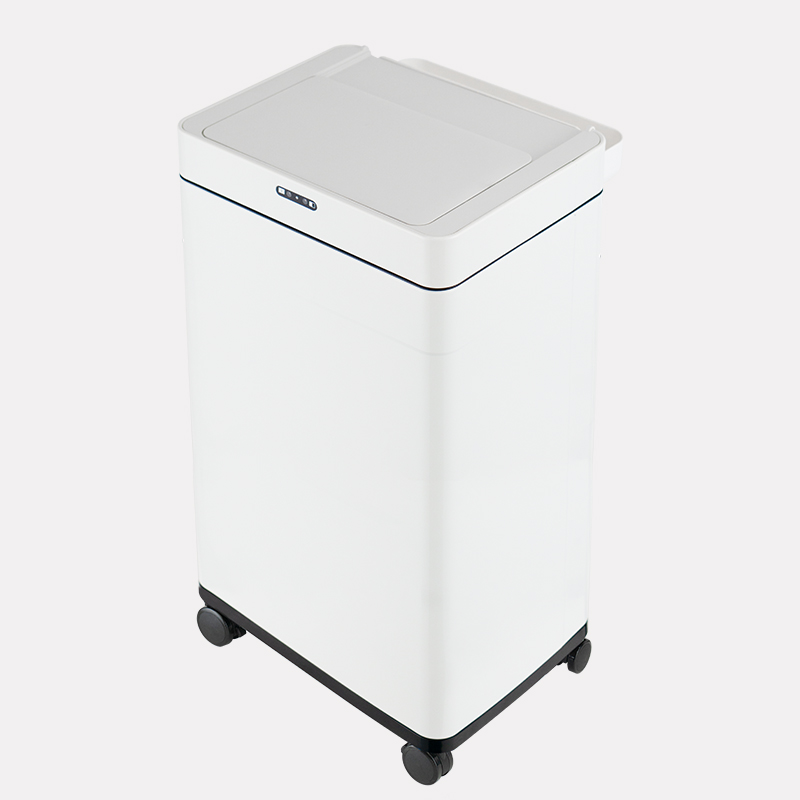
Moving Sliding Sensor Bin
The HN-ZT sensor bin, made of stainless steel and ABS, features a built-in ozone generator, sliding & silent opening, and an optional foot stand, ideal for under-desk placement in offices.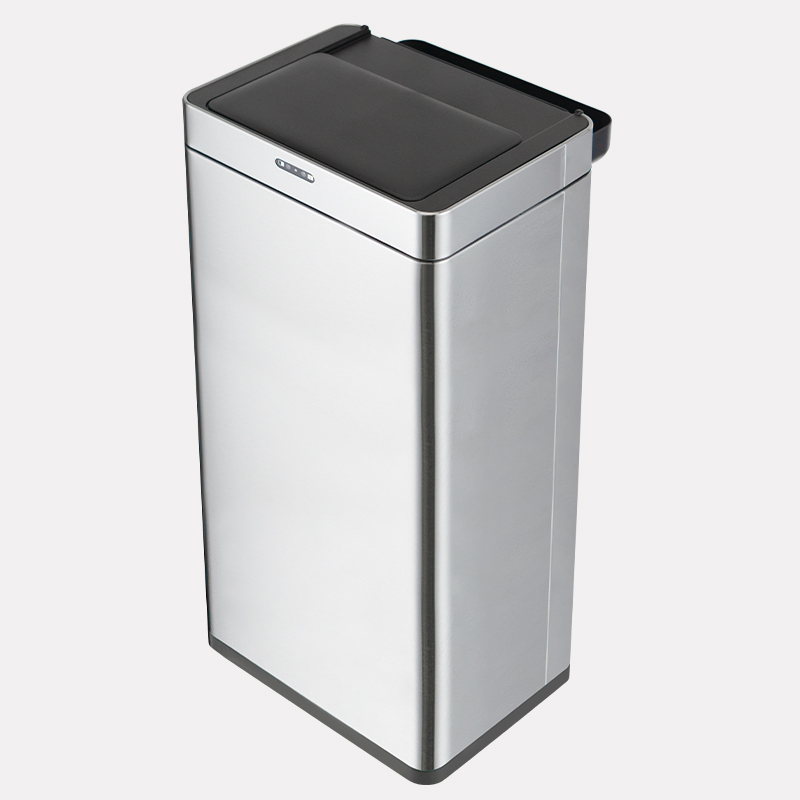
Rectangular Sliding Sensor Bin
The HN-ZT sensor bin, made of stainless steel and ABS, features a built-in ozone generator, sliding & silent opening, and an optional foot stand, ideal for under-desk placement in offices.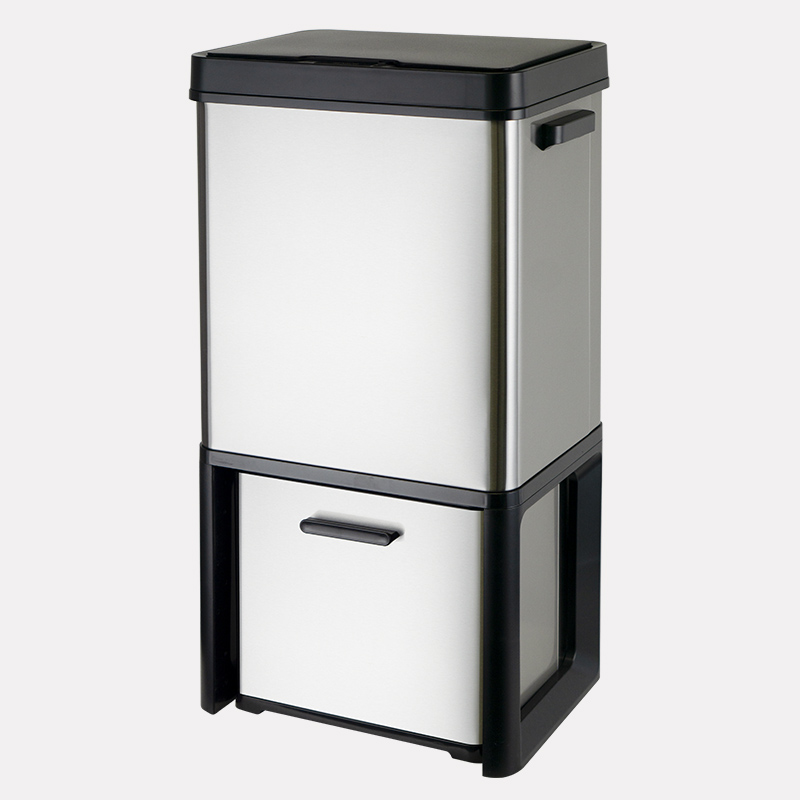
Sorting Recycling Sensor Bin
The HN-ZN wheeled sensor bin, featuring a wide opening and dual compartments for dry-wet separation, comes in 72L capacities and is ideal for kitchens, living rooms and offices.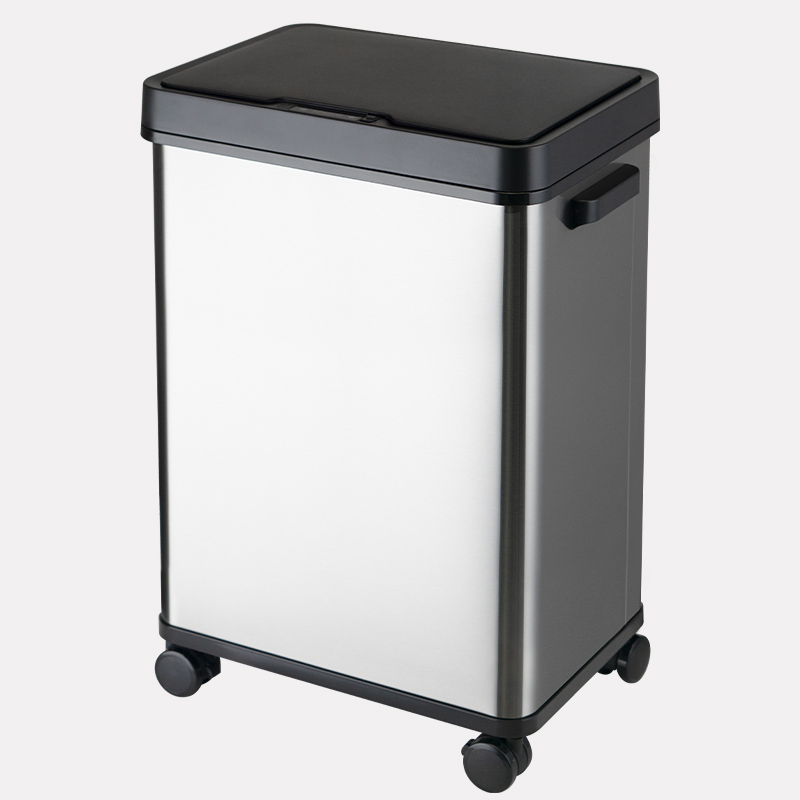
Moving Big Sensor Bin
The HN-ZN-W wheeled sensor bin, featuring a wide opening and dual compartments for dry-wet separation, comes in 50L/68L capacities and is ideal for kitchens, living rooms and offices.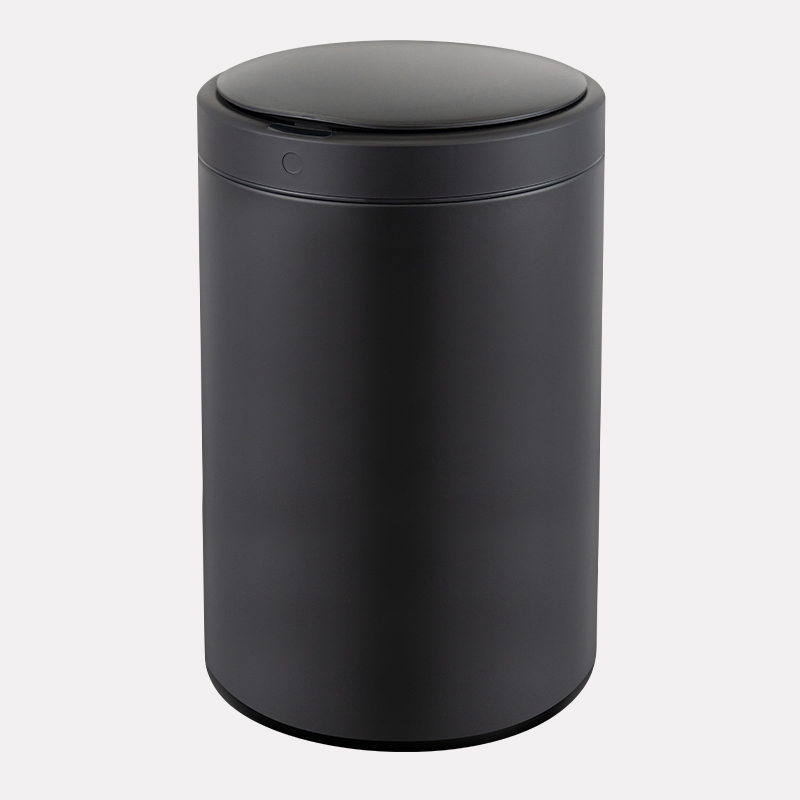
Round Sensor Bin
The 12L small cylindrical stainless steel sensor bin, featuring fingerprint-resistant coating, IPX4 splash-proof design and sensor/manual/vibration opening modes, is ideal for bathrooms, entryways and bedrooms, working well in humid environments with hygienic, easy operation.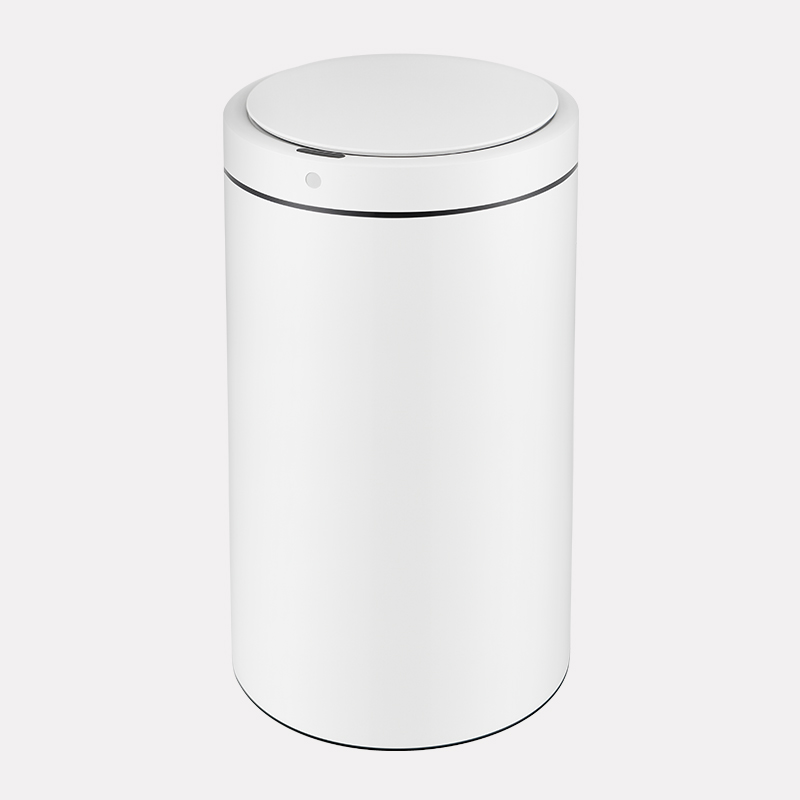
Round Big Sensor Bin
This 30L/42L cylindrical flip-lid sensor bin, made of fingerprint-resistant stainless steel, offers sensor/manual/vibration opening modes and optional deodorizer, ideal for living rooms, kitchens and offices.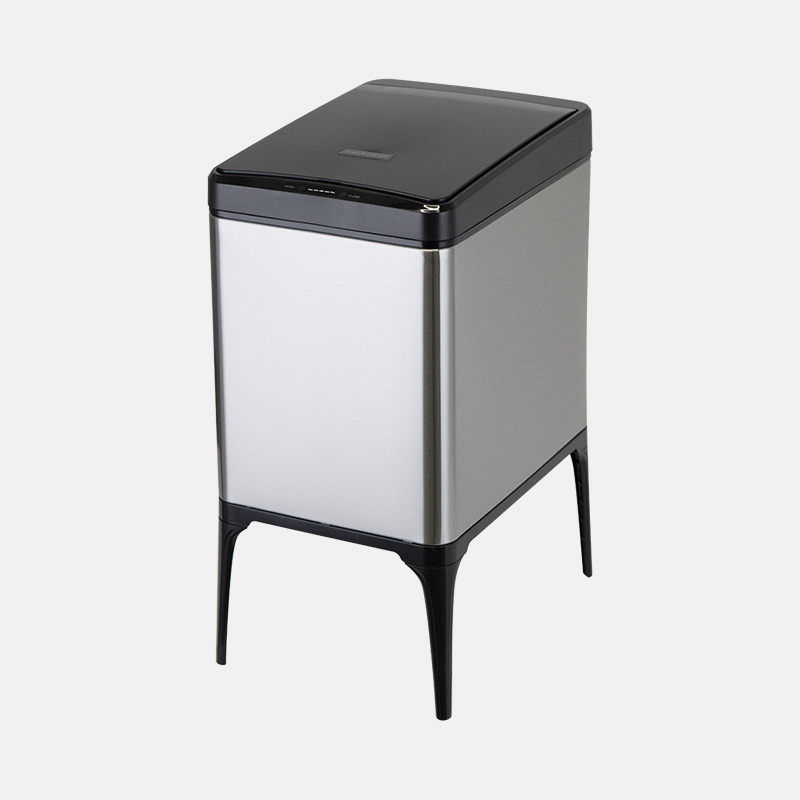
Slim High Leg Sensor Bin
Made of stainless steel and ABS, the HN-ZX02-L boasts a slender, space-saving design with an extra-huge opening that facilitates the disposal of large-volume waste, paired with a highly responsive sensor and silent lid opening.Available in various capacities, it fits perfectly into corners and tight spaces, ideal for living rooms, kitchens and offices.
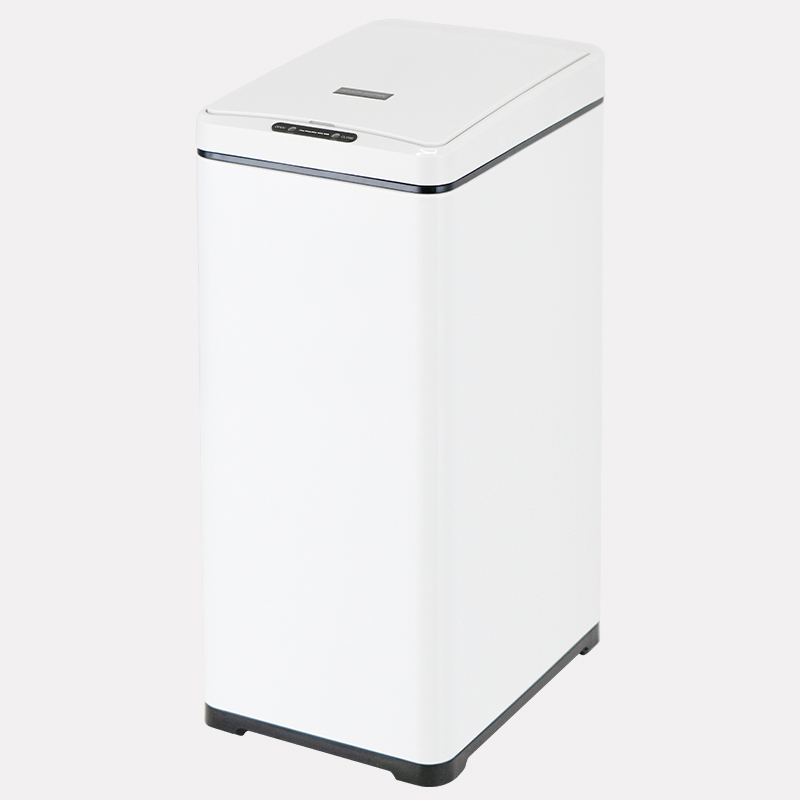
Slim Big Sensor Bin
Made of stainless steel and ABS, the HN-ZX02 boasts a slender, space-saving design with an extra-huge opening that facilitates the disposal of large-volume waste, paired with a highly responsive sensor and silent lid opening.Available in various capacities, it fits perfectly into corners and tight spaces, ideal for living rooms, kitchens and offices.
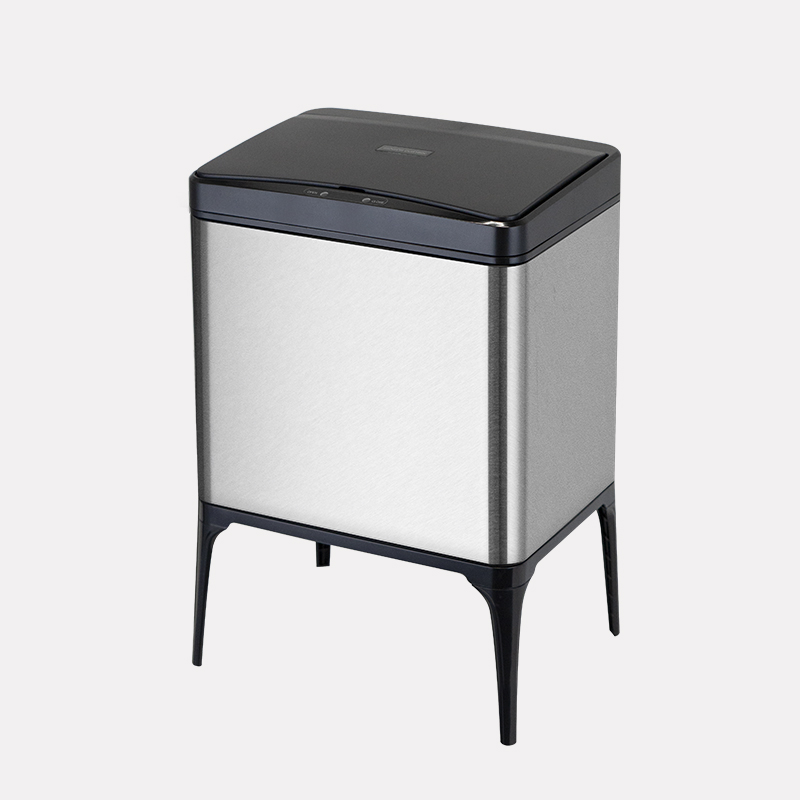
Rectangular High Leg Sensor Bin
Made of stainless steel and ABS, the HN-ZS02 features an extra-wide opening for easy disposal of large waste, paired with a highly responsive sensor and silent lid opening.Available in various capacities, it fits perfectly into corners and tight spaces, ideal for living rooms, kitchens and offices.
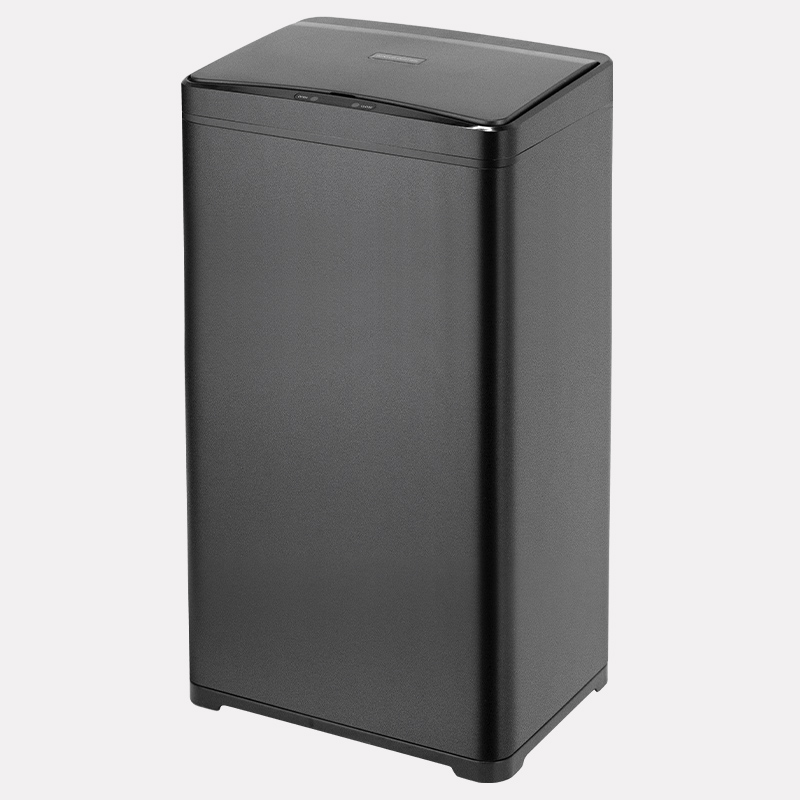
Rectangular Big Sensor Bin
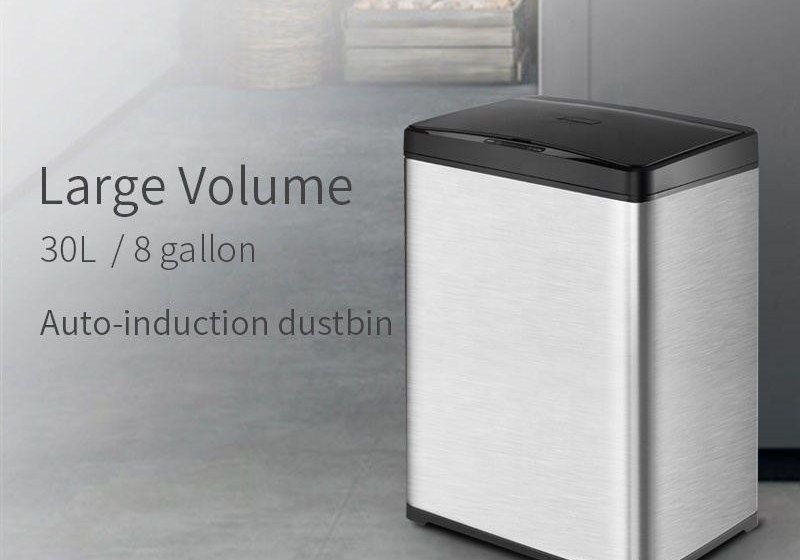
Made of stainless steel and ABS, the HN-ZS02 features an extra-wide opening for easy disposal of large waste, paired with a highly responsive sensor and silent lid opening.Available in various capacities, it fits perfectly into corners and tight spaces, ideal for living rooms, kitchens and offices.
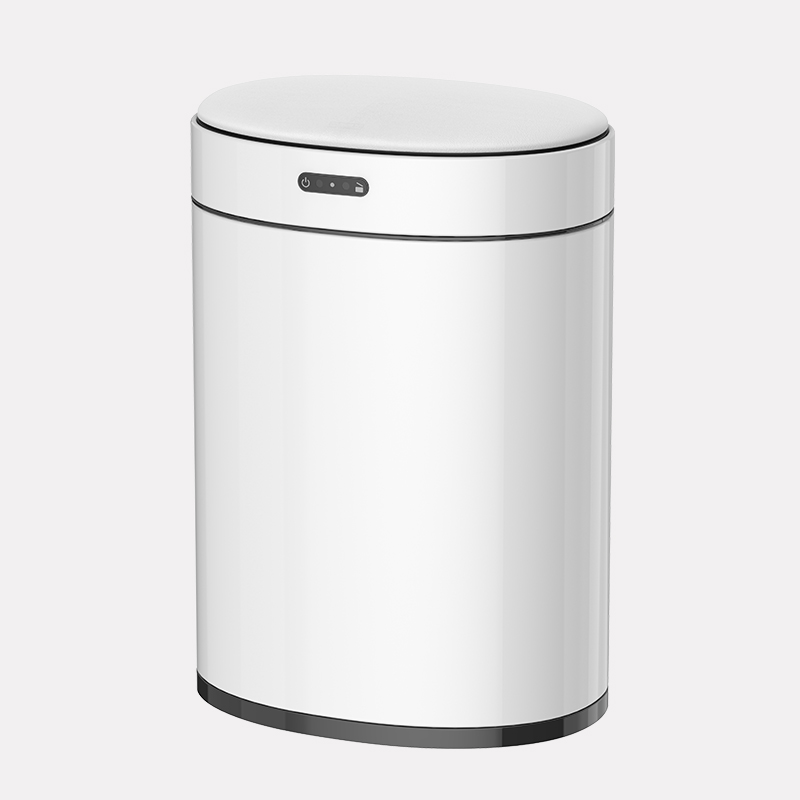
Oval Sensor Bin
Made of stainless steel with a fingerprint-resistant coating and available in multiple colors, the 20L oval sensor bin features a minimalist design with smooth lines, fitting modern minimalist, light luxury and Nordic styles as well as narrow areas like kitchens and bathrooms.
Moving Corner Sensor Bin
The corner-fitting double-flip sensor bin features fingerprint-resistant stainless steel, adjustable sensor opening, optional ozone & casters, perfect for living rooms, kitchens and offices.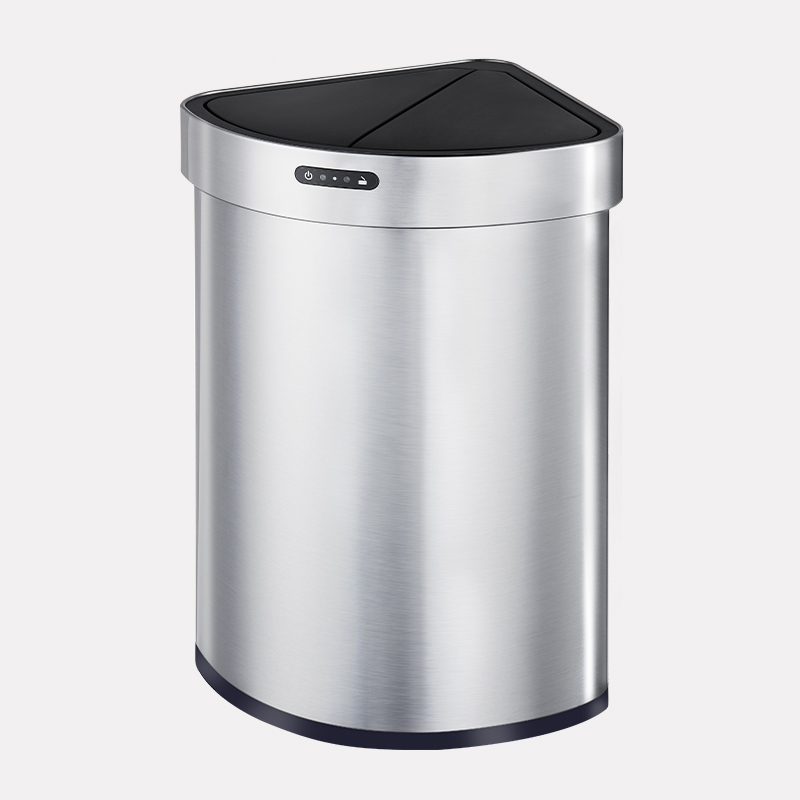
Corner Sensor Bin
The corner-fitting double-flip sensor bin features fingerprint-resistant stainless steel, adjustable sensor opening, optional ozone & casters, perfect for living rooms, kitchens and offices.Corner Sensor Bin
The corner-fitting double-flip sensor bin features fingerprint-resistant stainless steel, adjustable sensor opening, optional ozone & casters, perfect for living rooms, kitchens and offices.Efficient Pre-sales & After-sales Services
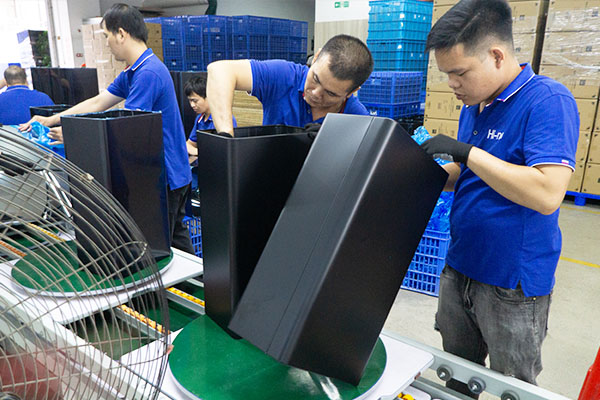
Attentitve Pre-Sales Service

Highly Warm After-Sales Service
Design on Your Desire
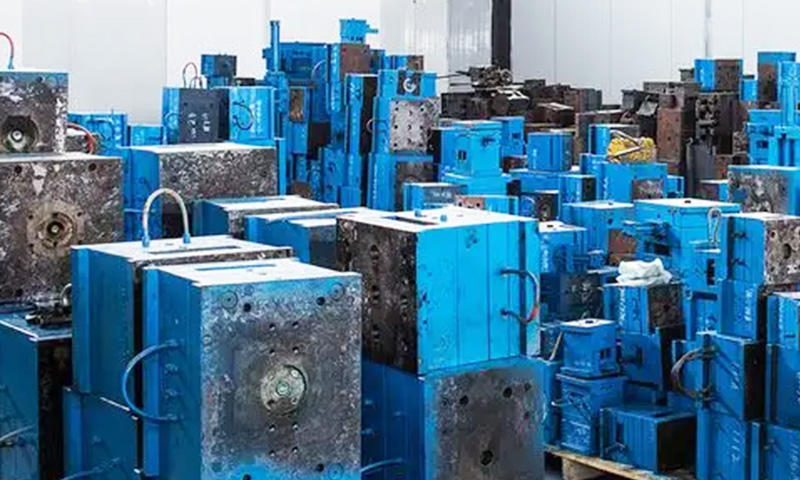
Original Equipment Manufacturer

Original Design Manufacturer
Available Industry Solutions

How to Correctly Install Batteries: Detailed Operation Guide

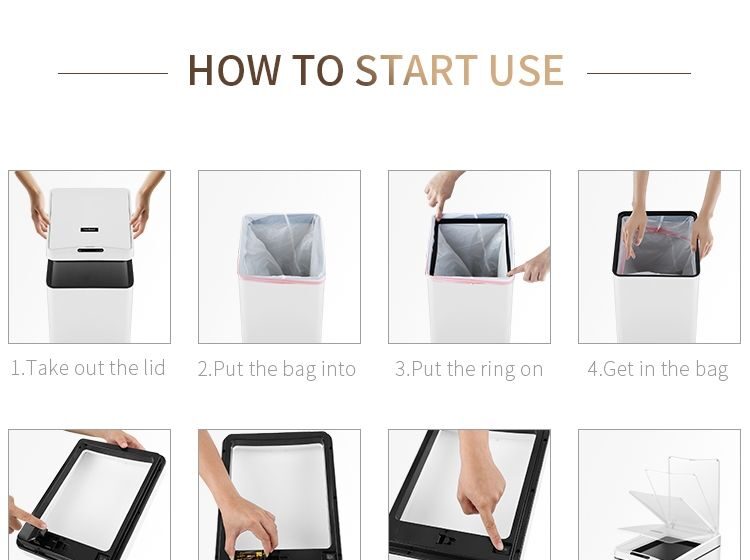
How to Correctly Put on a Trash Bag: Detailed Step-by-Step Guide

How to Correctly Turn On the Ozone Deodorization Function
ZHONGSHAN HI-NA LIFESTYLE CO.,LTD.
Zhongshan Hi-na lifestyle Co., Ltd. located in the beautiful and affluent Pearl River Delta, a famous home appliance production town - Dongfeng Town Zhongshan city Guangdong Province. We have an original and stable R & D, production and sales team, improving quality management system.
Our company currently develops and manufactures smart sensor trash cans, dustbins and opentop waste bins which from 9 Litre to 9 5 Litre capacity, rectangular and slim square shapes. We make dustbins in stainless steel or cold-rolled sheet with powder spraying, their colors and finishing is very charming. All our sensor dustbins are researched and developed by our R & D team with our own design patents and molds, so their construction and functions are stable, the lid senses quickly, open and close smoothly and quietly. Their appearance is attractive and price is competitive. We have already gained different export such as C E and RoHS certificate which can meet the requirement of domestic market and exporting in the wordwide at the same time. Meanwhile we strictly control the quality from raw materials, semi-finished products and finished products. All our sensor dustbins are selling very well to many other countries in the world in these years. All feed backs from our customers are very nice, so we are confident that we will be one of the biggest sensor dustbins’ factory in China in future. Welcome all customer to visit our company every time!
- Main Products:smart trash can
- Main Markets:United States,Japan,Russia,MiddleEast,Southeast Asia,North Europe



Year Established

Factory Space

Total Employees
Company & Industry News
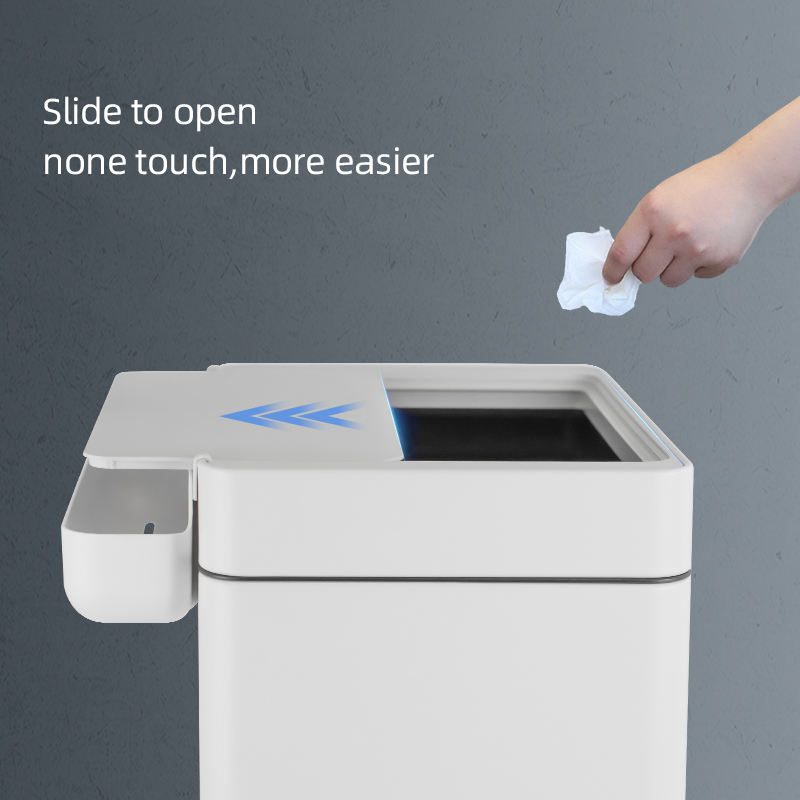
How Restaurants Keep Food-Waste Odors Under Control
A practical restaurant guide to reducing food-waste odor through lid behavior, liner turnover, cleaning, ventilation, and station flow.
How to Extend Battery Life in Commercial Sensor Bins
Review practical battery-care steps, model-specific AA requirements, and how to validate Hi-na's general 4-6 month planning range in a site pilot.
From Smart Bin Prototype to ODM Production
A practical guide to moving smart bin concepts from prototype to stable ODM production through scope control, sampling, quality gates, and branding.
Smart Trash Can for Small Spaces: How to Choose the Right Size and Design
Learn how to choose a smart trash can for small spaces. Compare slim designs, sliding lids, adjustable sensor distance, easy-clean materials, and odor-management features.
Do Motion Sensor Trash Cans Need Batteries?
Learn which batteries motion sensor trash cans need, how to interpret 4–6 months of battery life, and how facilities can keep automatic lids working.
Battery Care for Motion Sensor Trash Cans
Battery Care for Motion Sensor Trash Cans A battery complaint often begins, “We changed them three weeks ago.” Three weeks tells me when somebody opened the compartment. It says nothing about the lid. Did it sit motionless? Swing halfway and retreat? Open for every coat sleeve passing in the corridor? A facilities team can buy another packet of cells, but it would still have to answer those questions. Otherwise, next month’s packet may go into the same awkwardly placed bin. Watch one complete opening before you move the bin I would start with one ordinary disposal attempt, in the bin’s ordinary spot. Watch from first movement until the lid settles. Someone crossing the doorway immediately afterward provides a second observation without touching the batteries. Later, by all means test it on a bench. The bench will take away the counter overhang, though, along with any passing traffic. Write down where the first observation was made so the two tests can be compared honestly. Reported problem Check in the installed position A useful result to record No movement Switch and battery holder Response to one complete fresh set Halfway stop Bag rim, lid path, overhead space Whether clearing the path changes it Openings without a user Nearby traffic Behavior after a temporary move Repeated battery purchases Change dates and daily openings How a similar bin elsewhere behaves Only then open the holder. Its own markings tell you polarity and cell count; the drawing for a different model does not. Check that each cell meets its contact. A wet holder is a reason to stop the quick battery swap and look up the model’s service procedure. The same goes for corrosion or a broken contact. Set a leaking cell aside for handling and disposal under local rules. A new packet cannot repair the compartment beneath it. One change, one clear result Mixing a partly used cell with new ones makes the next service visit harder, not cheaper. For a model specified for disposable cells, use its stated type and quantity as a matched fresh set. Close the cover properly. Then try several full openings from the normal approach, with the bin back in its ordinary place. Note the result in plain language. “No movement until the cover is pressed” points toward fit or contact; “opens whenever someone passes the doorway” points elsewhere. Hi-na Lifestyle’s AA battery installation guide handles the first setup. What exactly changed when the set went in? “Lid still catches at the rear corner” is a useful answer. “Batteries done” is not. If pressure on the compartment cover restores operation, its contacts deserve attention before a motor is ordered. The photograph illustrates a manual-opening detail on one design when the power is exhausted. It does not tell us where the cells sit in every bin. Use the selected model’s instructions for opening and for storage. Before a stored unit goes back to work, look inside the holder again; a date on the outside of a carton cannot show what happened there. The awkward part of a battery-life claim “Four to six months” is easy to quote and easy to misunderstand. The missing footnote is the duty cycle: which cells, how many openings, what surroundings? In a pantry, the lid may move all morning; a meeting room down the hall may remain empty until a late afternoon call. Same cabinet, very different work for its motor. A calendar reminder made from the quoted range alone would conceal that difference. For an order covering several sites, a small log beats a blanket timetable. A line for model, room, cell type, installation date and removal date is a start. The next line matters more: why were the cells removed? A bin that opens for passing traffic should be described that way. A bin whose lid rubs against the underside of a counter should have that noted as well. If the same model works longer across the hall, the supplier needs that comparison, including the different conditions; it is more revealing than an average for the entire shipment. When a tender gives battery runtime real weight, the published month range needs its test conditions beside it. A sample can sit at the proposed site while someone counts lid cycles over an agreed period. Such a trial cannot predict every future room. It can tell the buyer how the quoted figure relates to this doorway, this traffic and these cells. Better evidence for a service conversation Consider a message that says only “slow lid, please send a new one.” What can the supplier do with it? Perhaps the bag folds into the hinge; perhaps a wall is too close; perhaps a cell has poor contact. A short clip, taken far enough back to show the bin and its surroundings, narrows the question. Attach the model, the cells fitted, their change date and one sentence about clearing the path. If the symptom vanished after a move, that belongs in the first reply, not the fourth. Here is a hypothetical service note: “Fresh specified set fitted Tuesday. Lid still stops halfway below the shelf. It closes normally after the bin is pulled forward.” That note does not prove which part is faulty, but it makes a replacement lid a less obvious first step. If the halfway stop follows the bin into open space, I would pass the clip and service note to technical support. An invoice for batteries, on its own, cannot describe either result. Buy cells for a model, not a product photograph The sensor bin product range is a sensible place to compare designs. A photograph in that range cannot show what is printed inside every battery holder. I would make a small purchasing line for each chosen model: cell type, cell count, and whether a starter set comes in the carton. A warehouse order based on appearance alone is too easy to get wrong. The selected unit’s label and instructions settle the order. The Hi-na Lifestyle company page uses the wording “Zhongshan Hi-na lifestyle Co., Ltd.” Its HN-ZT-W moving sliding sensor bin page gives a concrete battery entry: six AA alkaline cells. I would copy that entry into an HN-ZT-W order sheet, not into a generic sensor-bin column. An ODM/OEM enquiry also needs the intended site, model, quantity, packaging and corporate LOGO requirements. Put those details on the contact page enquiry and request a written answer about cells and runtime assumptions for the proposed configuration. Conclusion I would put one sentence at the end of every battery-change record: “After the new set, the lid ____.” That blank forces a result onto the page. Fill it only after watching a few cycles with the bin back in position. If the same complaint returns, the next technician has a starting point more useful than the date of a battery purchase. FAQs 1. What if only one cell appears weak? Follow the model instructions. In a multi-cell holder, a complete matched fresh set gives a much clearer fault check than a mix of old and new cells. 2. The lid is slow even with new batteries. What next? Watch where it slows. A caught bag or restricted space can affect its travel. Check the holder as well, then describe the result after clearing the path. 3. Which details belong on the maintenance record? At minimum: model, location, specified cell type, change date and what the lid did during several full cycles. Add repeated openings or an obstruction if either was seen.
Please fill out the form below and we will get back to you as soon as possible.