Why Does a Kitchen Trash Can Guide Matter for Touchless Kitchen Trash Can Systems
著者
2nd 7月 2026
導入
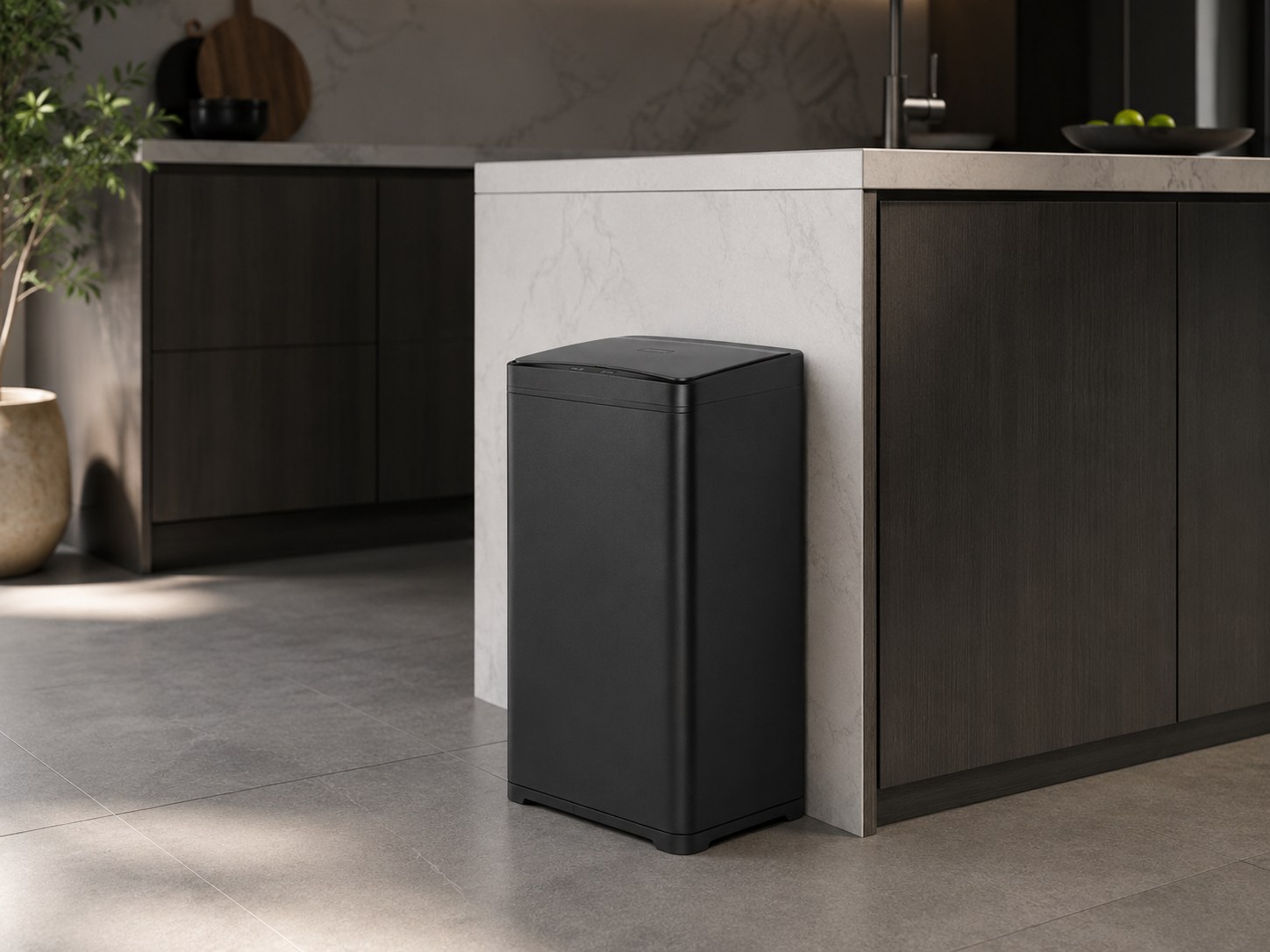
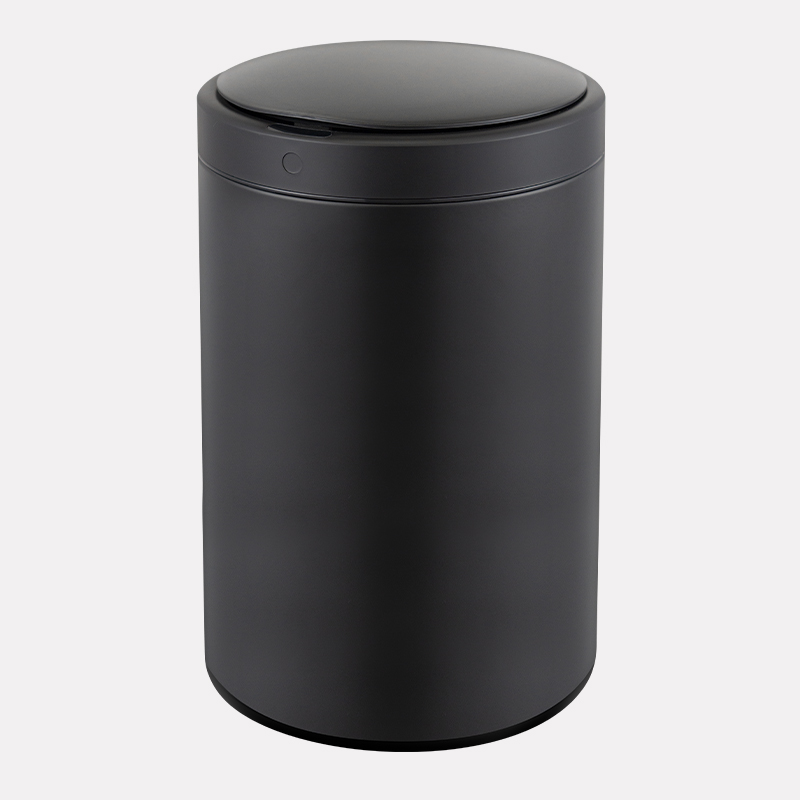
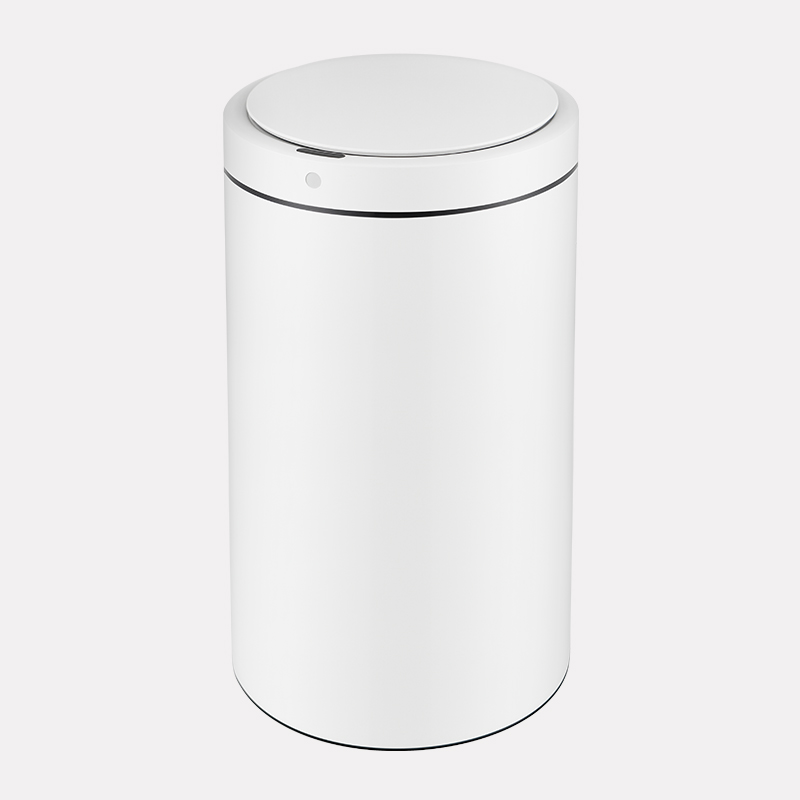
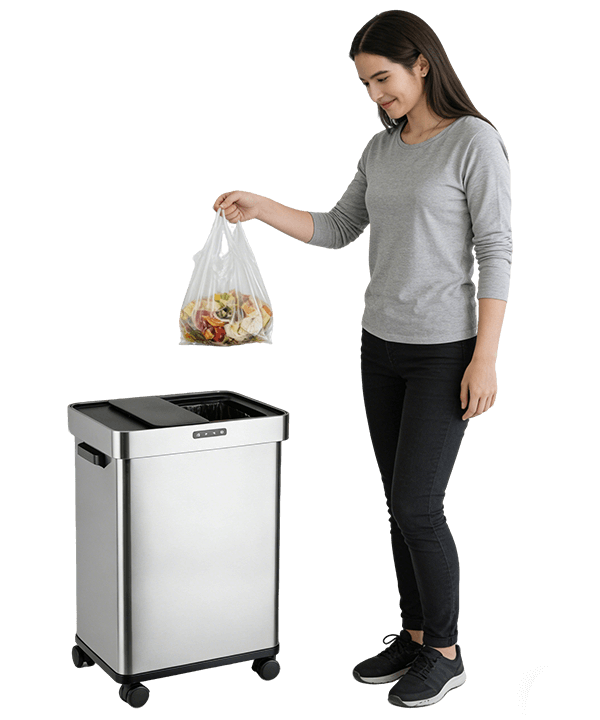
Today’s cooking spaces are shifting toward automated tasks, better hygiene, and hands-free control. A touchless kitchen trash can is now a common choice for both home and business settings. People value cleanliness and speedy tasks in these areas. Still, purchasers frequently miss a crucial point. They do not realize that good performance relies heavily on proper choice, setup, and upkeep.
This situation makes a clear kitchen trash can guide highly valuable. You might be checking a sensor trash can. Or, you could be moving up to a sensor garbage can. In either case, knowing about technical traits is vital. Details like detection precision, power drain, and physical build shape your long-term use.
Why a kitchen trash can guide is essential for modern buyers
A useful kitchen trash can guide assists companies in avoiding bad purchasing choices. Restaurant staff use a sensor trash can many times every single day. Therefore, even minor faults can delay daily tasks. These small problems might also raise health hazards.
A sensor garbage can serves as more than a simple bin. It acts as a full machine that links infrared scanners, motor parts, and power controls. Without strict buying rules, workers frequently face slow lid reactions. They might also deal with shaky operations. In busy places like diners and hotel food prep zones, this trouble hurts daily output.
We can look at actual shipping cases for proof. A poorly set up touchless kitchen trash can frequently leads to brief battery life. It can also cause random scanner reactions. This issue happens mostly during heavy daily use.
What makes a rectangular sensor design more efficient
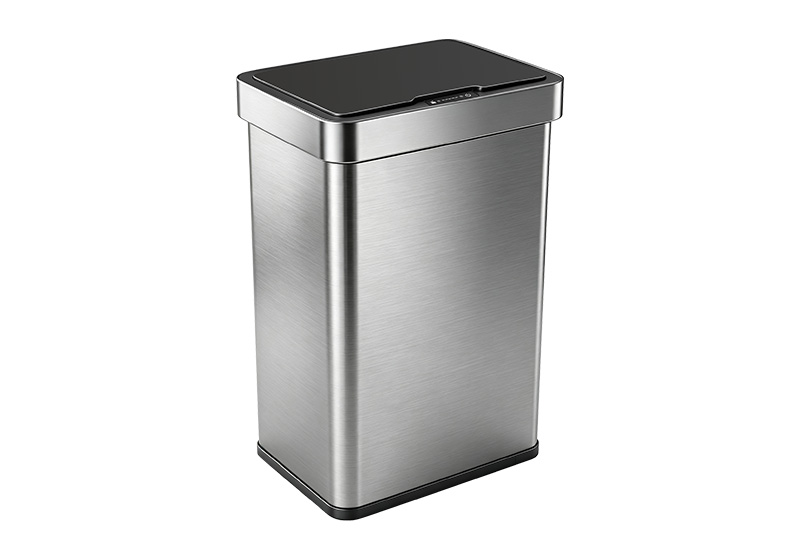
これ rectangular sensor shape stands out as a highly useful update for new smart bins. It differs greatly from round scanning areas. This shape gives a broader and more focused reading zone. As a result, it cuts down on blind spots when people walk up from various sides.
Inside a sensor trash can, this layout boosts precision. It works well when placed next to cupboards or tight gaps. The shape matches the wall lines smoothly. This fit makes the unit great for small cooking spaces.
For business shoppers, this feature increases placement options. A rectangular sensor setup brings steady opening actions in rapid food prep areas. In these busy spots, workers do not always walk straight toward the front of the bin.
How kitchen sensor bin selection impacts performance
Careful kitchen sensor bin selection plays a major role in buying plans. Size, metal thickness, scanner speed, and power style are all vital details. They decide how a sensor garbage can functions during real daily tasks.
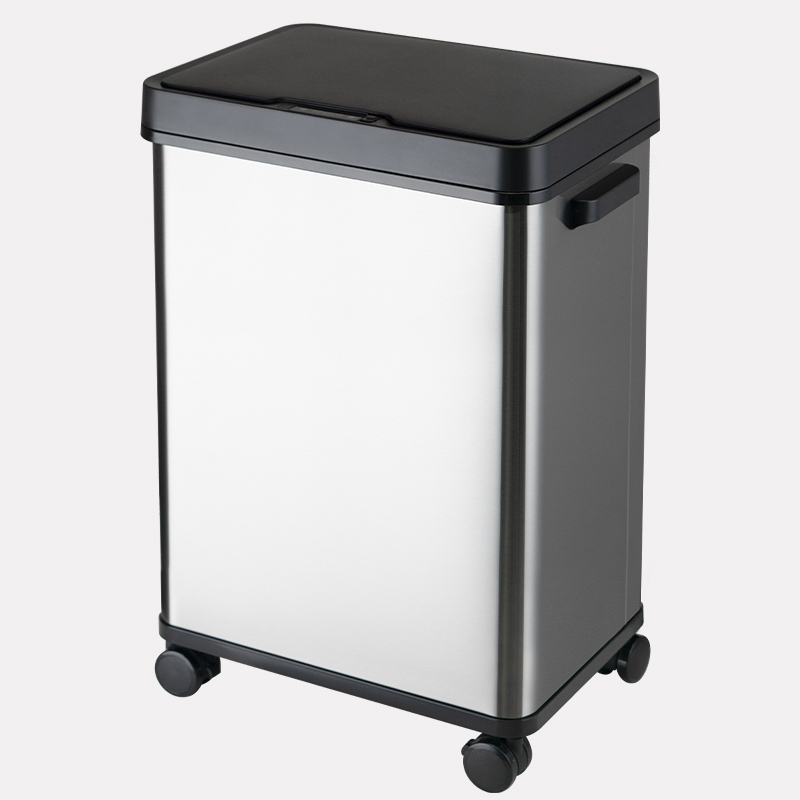
Tiny bins fit perfectly inside home spaces. Meanwhile, bigger 42L–72L units are built for business needs. Stainless steel shells offer tough protection in damp rooms. On the other hand, powder-coated metal offers a more budget-friendly choice.
In B2B sales, shoppers care most about long-lasting quality. A wisely picked touchless kitchen trash can lowers repair needs. It also secures a steady, reliable feel across many different sites.
How to load batteries correctly for stable operation
Knowing exactly how to load batteries remains crucial for keeping a sensor trash can running smoothly. Most units run on standard AA alkaline power cells. Putting them in the wrong is a very frequent reason for breakdowns.
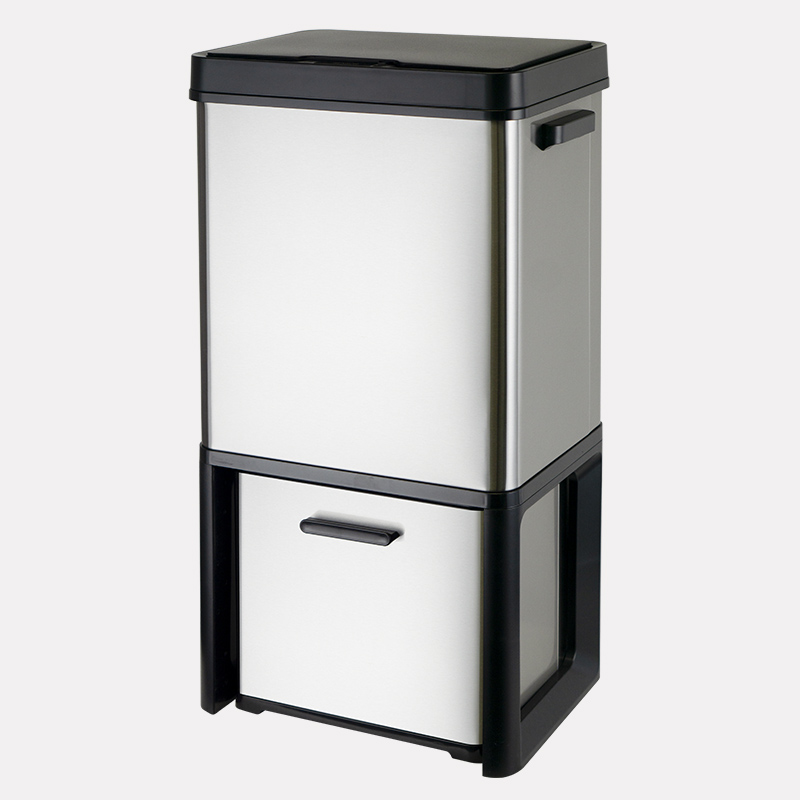
The right method involves matching the plus and minus ends with great care. You must ensure steady directions in both the bottom and top cell rows. In two-tier setups, the bottom row points one way. The top row must point the opposite way to keep the power flow steady.
Sometimes owners ignore the proper how to load batteries steps. When this happens, the sensor garbage can might display poor scanning. It could also suffer from slow lid lifts or random openings. Correct placement guarantees solid infrared reading. This careful step stretches the power span to about 4–6 months during standard daily use.
Technical structure of sensor garbage can systems
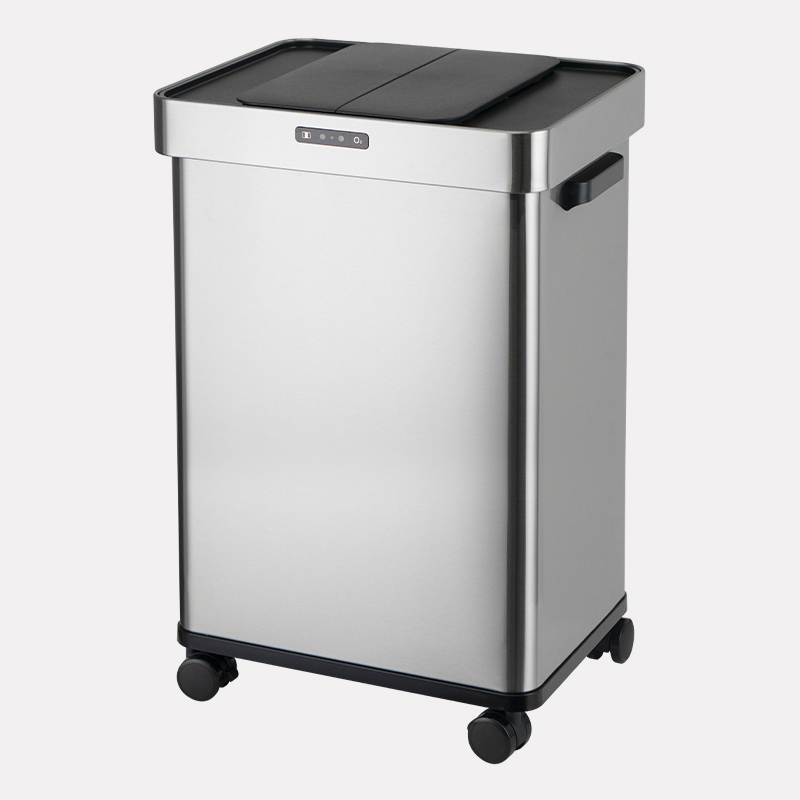
A current sensor garbage can holds infrared reading parts, low-energy boards, and quiet motor gears. These pieces join forces smoothly. They work together to supply quiet, hands-free functions.
Many touchless kitchen trash can models mix stainless steel outer walls with ABS plastic inner parts. This blend balances strong builds with light weights. A few versions also add smell-fighting tools. For instance, they use ozone units to boost overall cleanliness.
The whole setup is crafted for endless daily actions. It secures firm lid motions, even during intense business demands.
OEM and ODM customization for global buyers
Within B2B trade networks, OEM and ODM options let sellers adjust sensor trash can styles for distinct regions. ODM paths use ready-made forms to speed up shipping times. OEM choices, however, back complete physical changes based on buyer sketches.
Current factory methods also permit LOGO printing on metal faces and boxes. This service helps brands build stronger names in retail stores. At the same time, it keeps the item’s quality steady across worldwide sales chains.
結論
A well-planned kitchen trash can guide proves vital for picking and running new waste bins. You must grasp the perks of a rectangular sensor. You also need to learn how to load batteries. Every single fact aids the steady running of a sensor garbage can or a touchless kitchen trash can.
For B2B shoppers, careful kitchen sensor bin selection means more than a quick buy. It stands as a lasting investment in clean habits. It also secures daily steadiness and a long product lifespan.
CTA
Some B2B sellers want steady stock and flexible design choices. Hi naライフスタイル grants complete OEM/ODM backing for these partners. This help includes LOGO printing and shape upgrades for top-tier sensor garbage can goods.
よくある質問
How does a touchless kitchen trash can improve daily kitchen workflow?
A touchless kitchen trash can limits hand touching. It boosts general cleanliness. It also makes throwing away scraps much quicker in both home and business spaces.
What happens if I load batteries incorrectly in a sensor trash can?
A bad how to load batteries step can trigger poor scanning. It might cause slow lid lifts. It can even lead to a total breakdown of the sensor trash can unit.
Why is rectangular sensor design better than traditional sensor systems?
A rectangular sensor grants broader reading zones. It raises precision levels. It also lessens hidden spots inside tight cooking areas.
What should I consider when choosing a sensor garbage can for bulk orders?
During kitchen sensor bin selection, shoppers must check the size and metal strength. They should also test the scanner speed and power-saving traits. These details ensure lasting quality.
Can OEM customization include branding for touchless kitchen trash can products?
Yes, OEM plans for touchless kitchen trash can items offer LOGO printing. They also supply shape tweaks and box branding help.