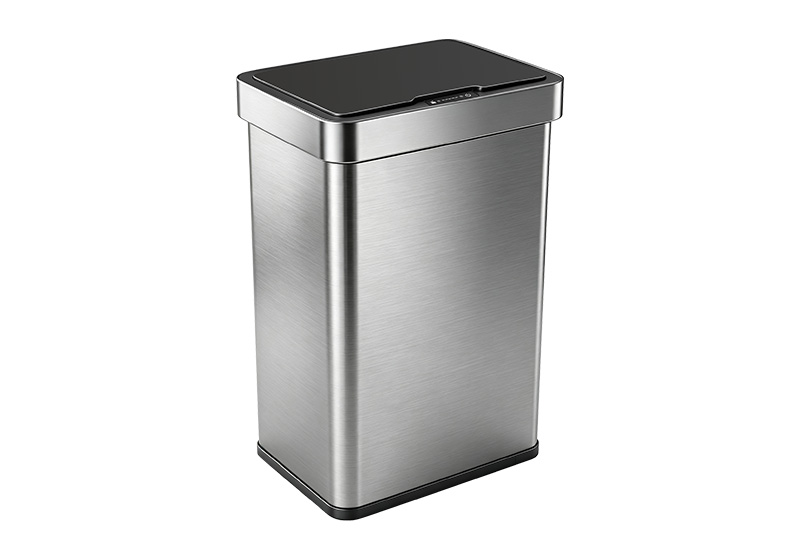
How to Choose the Right Smart Sensor Bin Technology for Your Brand
著者
28th 5月 2026
Introduction
The worldwide handling of waste has seen a major shift. It has moved from basic hand or foot-operated bins to advanced, no-touch smart sensor bin technology. For business buyers, store owners, and product leaders, picking a reliable intelligent dustbin sensor is more than looks now. It serves as a key choice to cut down on support costs after sales and boost user happiness. As the world market for a smart sensor dustbin is expected to go beyond USD 3.4 billion by 2033, the need for strong home and business options stands at a peak. Knowing the main points of a sensor dustbin smart dustbin helps companies place their items well. This happens in a busy field where home uses make up over 64% of the main needs.
What is Modern Smart Sensor Bin Technology?
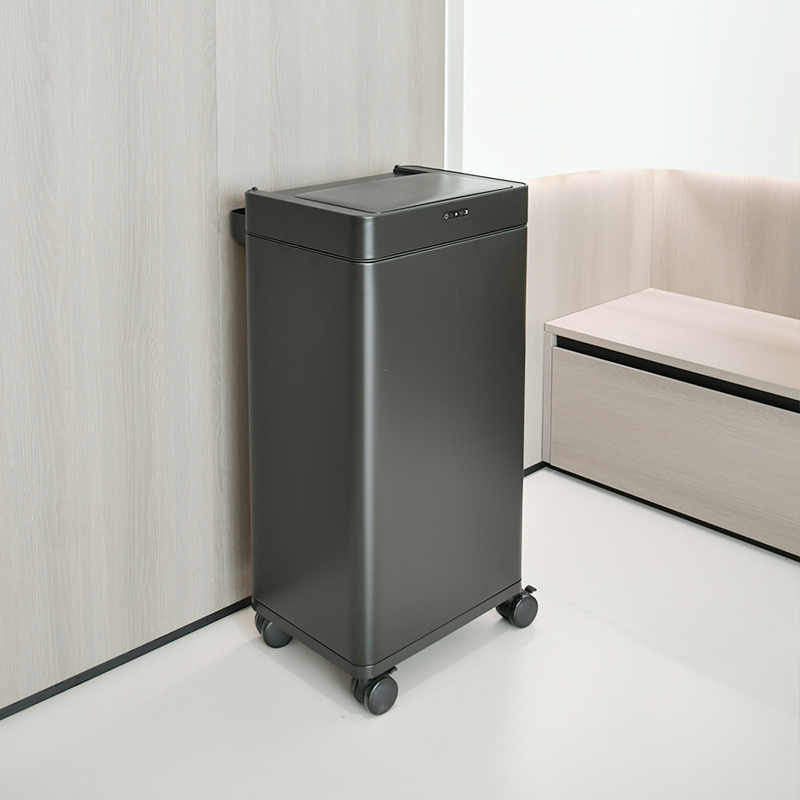
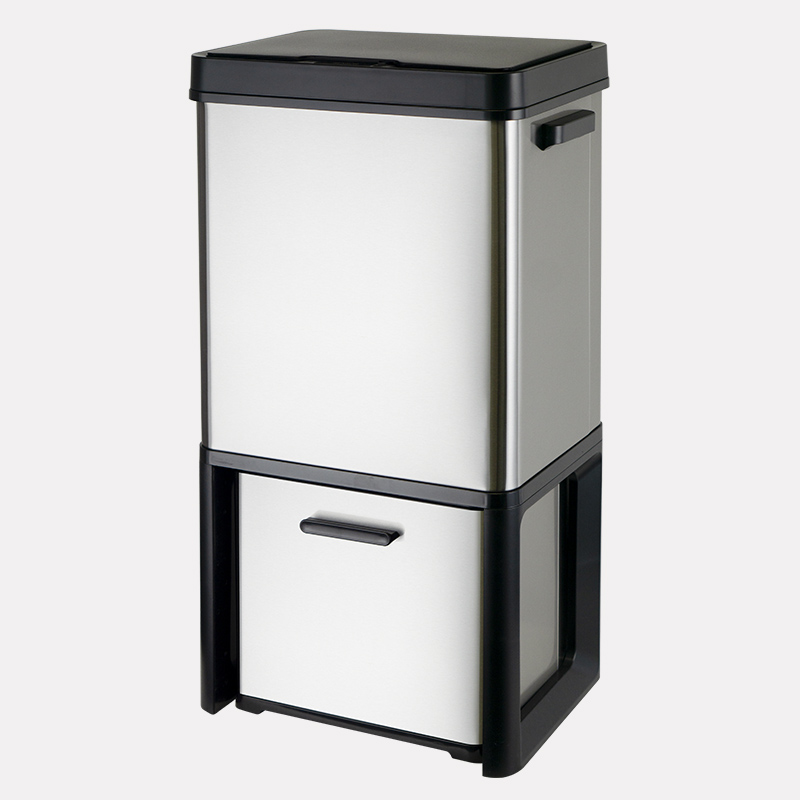
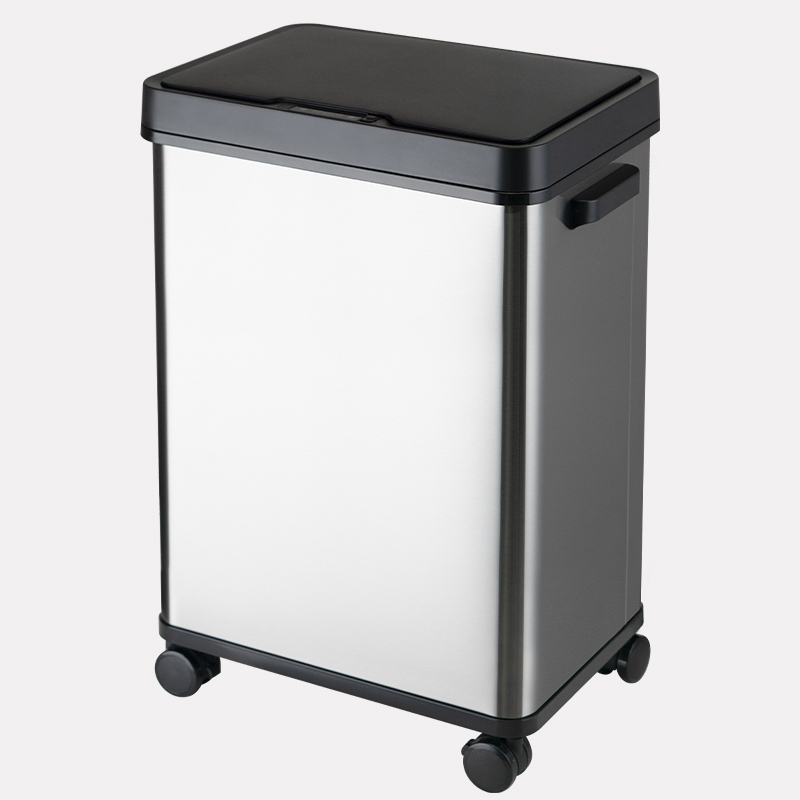
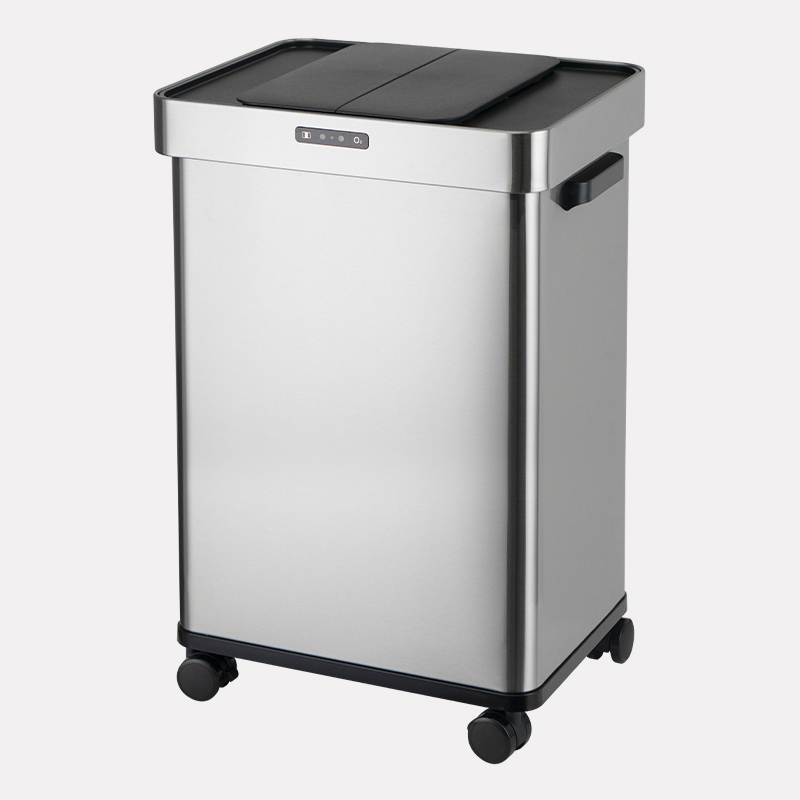
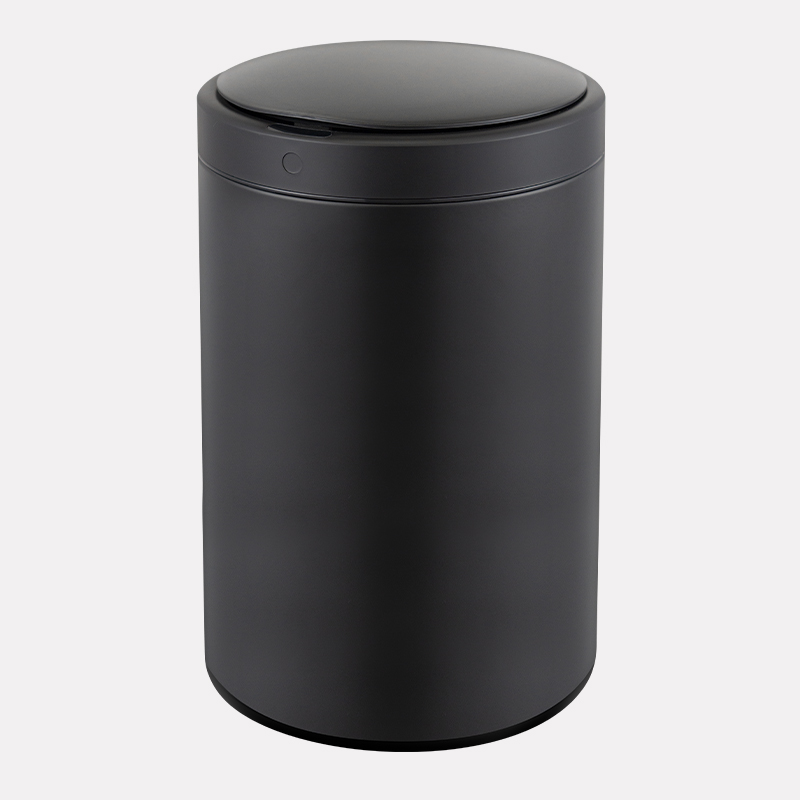
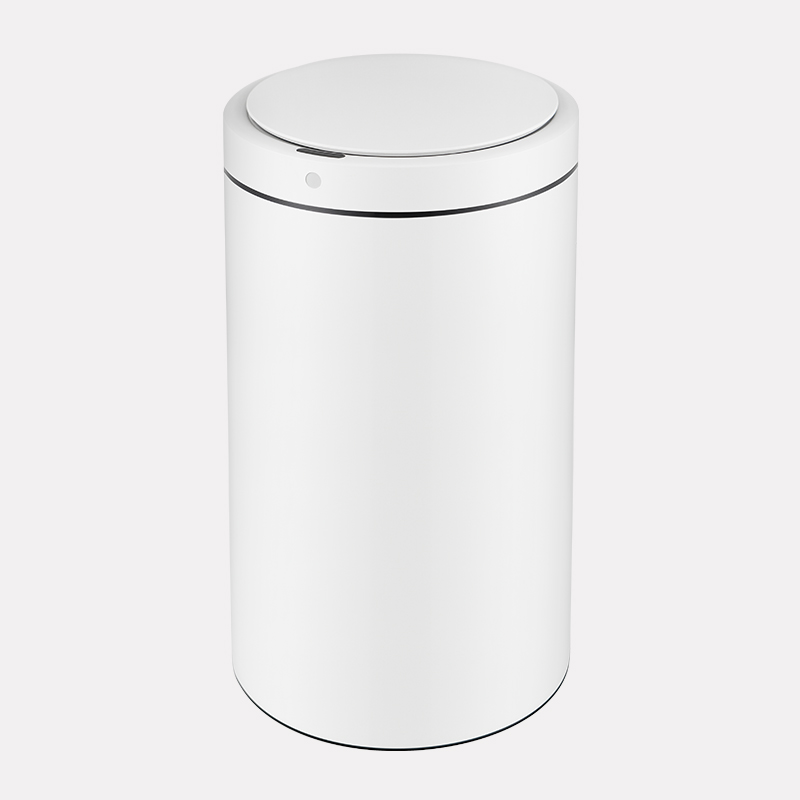
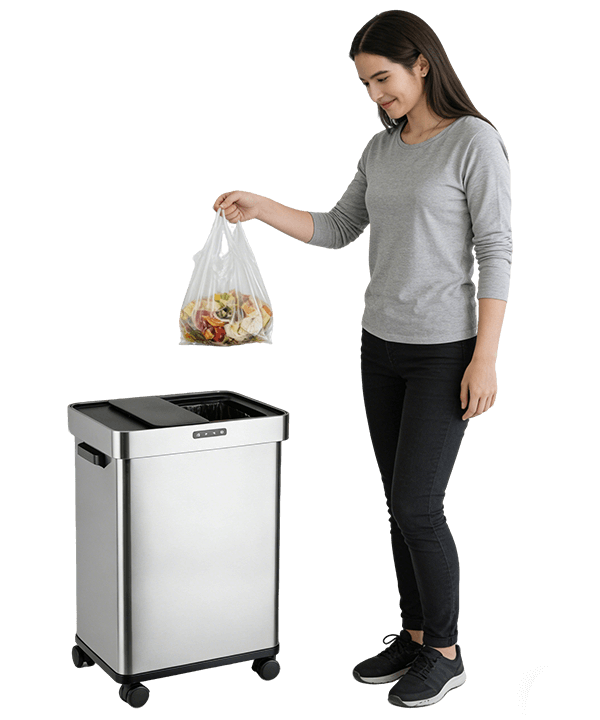
At its base, a smart trash canuses Infrared (IR) detection to spot movement in a set area. Then, it starts a full no-touch lid action. This setup removes direct touch. As a result, it greatly raises cleanliness in key spots like medical offices and cooking areas. A reliable intelligent dustbin sensor works as part of a full system. It includes a smart top unit, an exact drive, and a power-saving board for controls. Such a mix makes sure the cover spots action fast. It also runs in a steady and soft way.
Options for how it runs mark another key trait of current smart sensor bin technology. Companies need to pick lid styles based on the planned setting. Take a side-slide lid type like the HN-ZT-W, for example. It fits well in wide office layouts or tight spots. In those places, an up-flip lid could block paths.
Feature
Specification Details
Technology Type
Infrared (IR) Induction
Capacity Range
22リットル/30リットル/42リットル/50リットル
Main Materials
410 Stainless Steel & ABS
Power Source
6 AA Alkaline Batteries
Certifications
CE, RoHS, ISO 9001
Why Does Material Choice Impact Sensor Performance?
The lasting quality of a smart sensor dustbin is closely related to how well its outer shell holds up. We focus on 410 stainless steel for its strong build and resistance to rust over cheaper picks. This type gives a firm base for the fine electronic parts inside the smart top cover. To match global standards, the build needs tough salt mist checks. Thus, a sensor dustbin smart dustbin can handle wet settings common in seaside spots or busy kitchens without losing strength.
On top of that, areas with lots of foot traffic demand more than basic toughness. Layers that block fingerprints and smooth surface treatments keep the item looking good after regular handling. These steps lower the upkeep load for users. At the same time, they shield the core smart sensor bin technology from dirt on the outside.
How to Evaluate the Reliability of an Intelligent Dustbin?
When checking a reliable intelligent dustbin sensor, energy use stands as a main measure. The common practice pairs good AA alkaline batteries with systems that save power. This pairing keeps the unit working for long stretches. It cuts how often users swap batteries.
Steadiness shows up through deep life-span checks. A skilled sensor trash bin supplier puts main actions, like the sensing lid opening and closing, through many thousands of wear tests. This step confirms the drive and sensor hold up past the cover time. For the top “original” level, items like “Soft Close” or quiet side lids prove vital. These options stop the harsh sound of a lid banging down. Therefore, the smart sensor bin technology fits calm places such as care centers or personal work spaces.
How Can Value-Added Features Like Ozone Deodorization Strengthen Your Brand?
Ozone odor removal marks a big step forward in smart sensor bin technology. This option tackles the usual smell issue. It does so with a built-in ozone maker that splits smell particles at their core. By adding this extra, companies can set themselves apart from simple rivals.
Putting in such a system calls for a user-friendly control setup. For one, a constant green glow tells users the ozone part is on. Safety steps matter just as much. The setup makes the lid shut on its own during the odor cycle. This boosts work and stops ozone escape. These points show a company’s focus on new ideas and user protection.
How to Select a Strategic ODM/OEM Partner for Smart Dustbins?
Picking the best partner proves key for a good entry to the market. With ODM help, companies use ready, approved item bases. They can quickly adjust looks, sizes, and marks. This way cuts down on design time and build expenses. On the other side, OEM aid gives full support for groups with their own plans. It offers smooth links to drawings and checks for easy building.
A smart partner also needs to offer full-step safety. That covers doing ISTA-level drop trials to copy shipping and move mishaps. These trials make sure a reliable intelligent dustbin sensor and its inner shell stay whole in world transport. Having outside checks like CE, RoHS, and Sedex at the plant adds trust to your supply line.
What After-Sales Support Should a Professional Brand Demand?
Strong follow-up aid forms the base of steady brand ties in the automatic touchless trash can area.A usual issue in the field is the expense of sending back broken items for fixes. Skilled providers often ease this with a “parts reserve plan”. For case, giving 2% more free smart tops for a 40HQ load lets the company deal with swaps on site and fast. It skips costly send-backs.
Skill-building in tech stands as another main part of pro aid. This means a round-the-clock reply system for questions. It also includes video guides for hard tech problems. Plus, handing out clear care papers to users—like steps for right battery fit and bag use—can sharply cut “user mistake” comebacks. As an example, noting to use alkaline over carbon batteries stops common unit breakdowns.
結論
Picking a fitting smart sensor dustbin needs a careful mix of sensing exactness, building lasting power, and full maker backing. By focusing on fine 410 stainless steel, strict steadiness trials, and fresh options like ozone odor removal, your company can bring a better item. It meets what users want today. At Hi-na Lifestyle, we pledge the tech know-how and quality checks needed to make your item idea a top seller.
CTA
Contact our engineering team today to get a Free OEM/ODM Project Consultation and request a customized sample for your brand.
よくある質問
What is the average lead time for an ODM smart sensor dustbin project?
Times for delivery change with custom levels. Yet, using set ODM bases often speeds up the go-to-market steps by cutting design and test phases.
Why should I choose 410 stainless steel for my sensor dustbin smart dustbin?
We pick 410 stainless steel for its solid nature and skill in passing hard salt mist tests. This proves vital for keeping a reliable, intelligent dustbin sensor sound in damp settings.
How does the ozone function work in a smart sensor dustbin?
The ozone part relies on an inner maker to burn and split smell particles inside the bin. Users turn it on by holding the OZONE key for 5 seconds until a firm green light shows.
What kind of batteries are required for high-performance smart sensor bin technology?
For a steady run and longer life of a reliable, intelligent dustbin sensor, we advise AA alkaline types only. Skip carbon or chargeable ones.
Do you provide spare parts for a 40HQ full container order of a sensor dustbin or smart dustbin?
Yes, for large loads at 40HQ size, we give a set amount of free smart lid extras. This aids companies in on-site fixes and lowers stock costs.