How to Choose a Hands-Free Sensor Bin for Kitchens, Bathrooms and Offices
著者
10th 7月 2026
Choosing the right hands-free sensor bin is no longer just about capacity or appearance. For modern homes, offices, hotels, and retail product lines, buyers now look for hygiene, odor control, space efficiency, durability, and a smooth user experience.
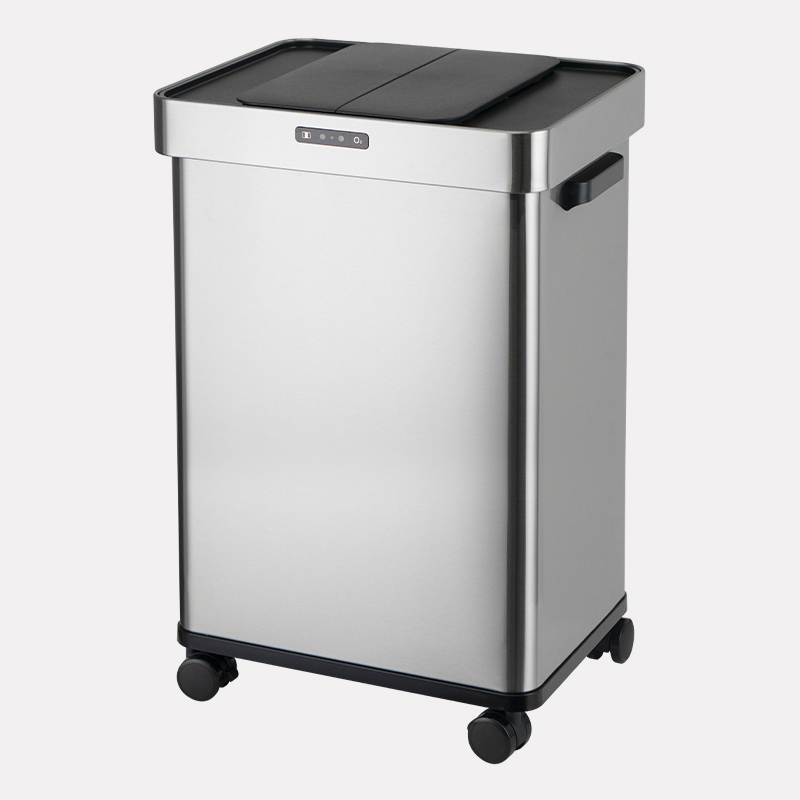
A good hands-free sensor bin should open without touch, reduce odor leakage, fit different room layouts, and be easy to clean and maintain. Features such as adjustable sensing distance, a sliding lid, ozone deodorization, a slim stainless steel body, and cordless battery power can make a major difference in daily use.
At Hi-Na Lifestyle, we develop and manufacture smart sensor trash cans for global buyers, including importers, distributors, retailers, and private label brands. Our smart sensor bin solutions support OEM/ODM customization for different markets and usage scenarios.
What Is a Hands-Free Sensor Bin?
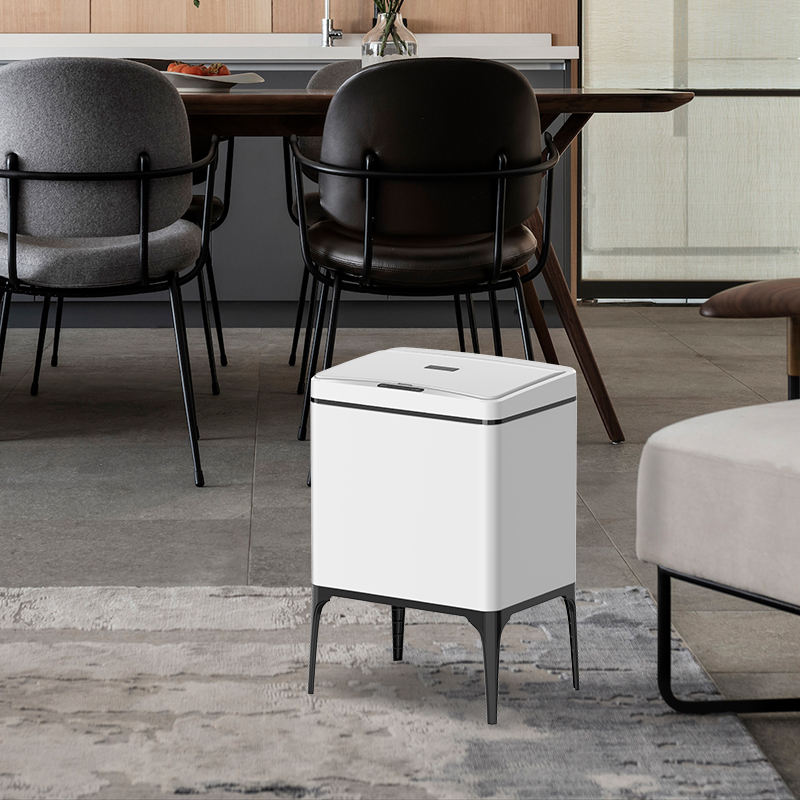
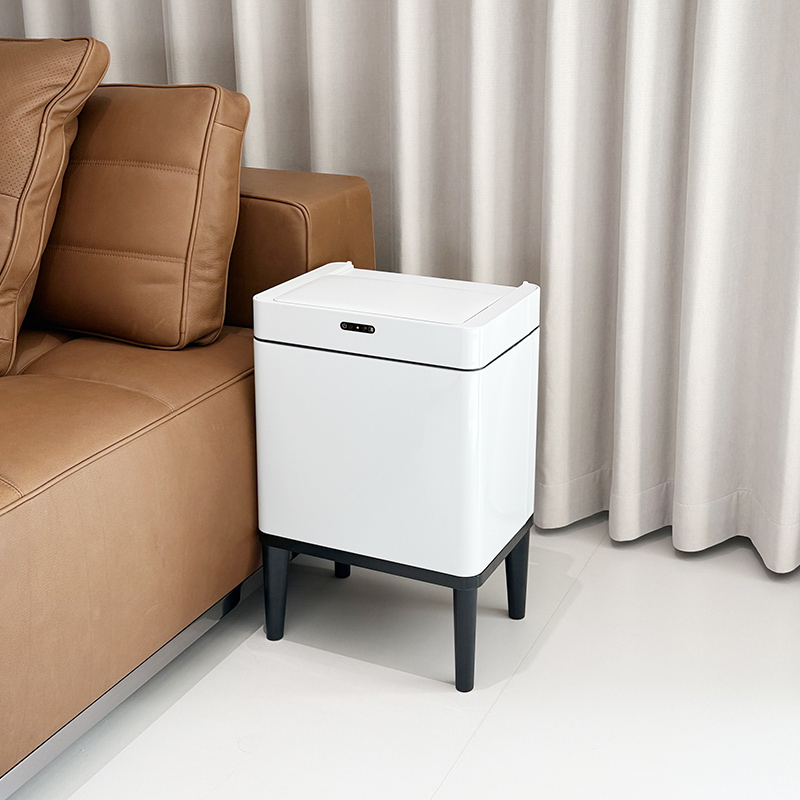
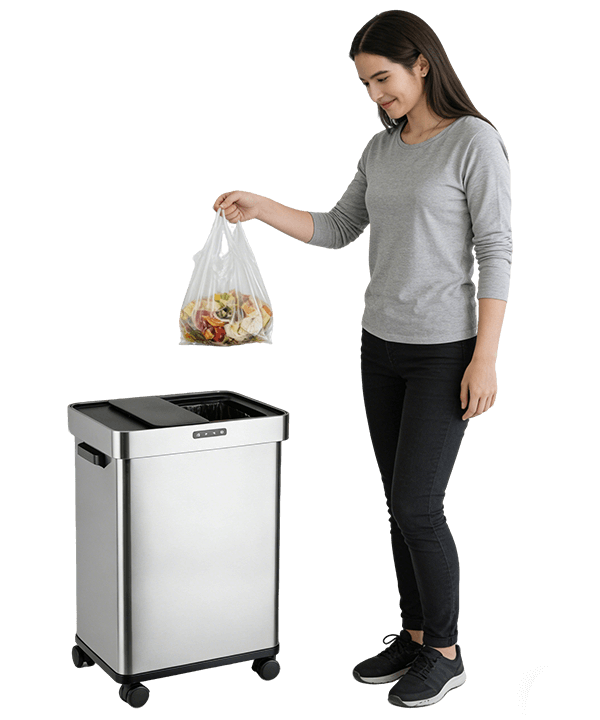
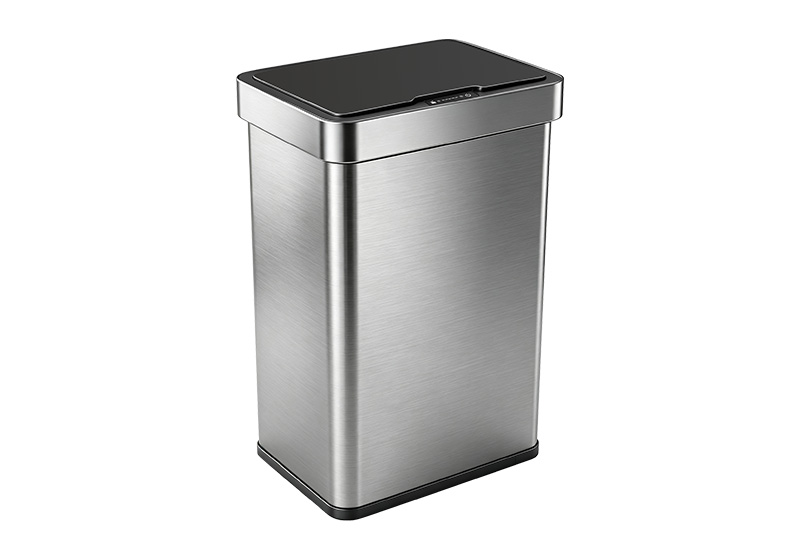
A hands-free sensor bin is a trash can with an automatic lid that opens when a hand, body, or object enters the sensing area. Users do not need to touch the lid, pedal, or handle, which makes waste disposal cleaner and more convenient.
This type of bin is especially useful in spaces where hygiene matters, such as:
Kitchens
Bathrooms
Offices
Hotels
Clinics
Pantries
Laundry rooms
Shared living spaces
For end users, the main benefit is simple: they can throw away waste without touching the bin. For B2B buyers, the value is broader. A well-designed sensor bin can become a premium home product with stronger selling points than a traditional trash can.
Start with the Usage Scenario
The first step in choosing a hands-free sensor bin is understanding where it will be used. A kitchen, bathroom, and office do not have the same needs.
In a kitchen, odor control and hands-free operation are especially important. Users often handle food scraps, packaging, wet waste, and leftovers. A sensor bin with a closed lid, sliding structure, and ozone deodorizing function can help create a cleaner kitchen experience.
In a bathroom, the bin needs to be compact, hygienic, and easy to clean. A slim body and stainless steel surface are useful because bathroom space is often limited and humidity may be higher.
In an office, users usually need a bin that looks professional, operates quietly, and does not open accidentally when people walk past. Adjustable sensing distance becomes important in this environment.
A good sensor bin should adapt to the room, not force the user to change their habits.
Choose a Sensor Bin with Adjustable Sensing Distance
One of the most overlooked features in a hands-free sensor bin is sensing distance. If the sensor range is too long, the lid may open when someone walks nearby. If it is too short, users may need to move too close to trigger the lid.
An adjustable sensing distance solves this problem.
Hi-Na Lifestyle smart sensor bins support three sensing distance options:
10 cm
20 cm
30 cm
This allows users to adjust the sensing range based on the placement environment.
For example, if the bin is placed in a narrow kitchen walkway, a shorter sensing distance can reduce false triggering. If it is placed under a counter or beside a desk, a medium or longer sensing distance may be more convenient.
For retailers and distributors, this feature is easy to communicate in product listings because it directly answers a common consumer concern: “Will the lid open by mistake?”
Look for a Lid Design That Helps Control Odor
The lid structure is one of the most important differences between sensor bins. Many automatic trash cans use a flip lid that opens upward. While this design is common, it may create more air movement when opening and closing, allowing odor inside the bin to escape more easily.
A sliding lid design offers a more refined solution. Because the lid moves horizontally, it helps reduce strong air movement during operation. This can help limit odor diffusion, especially when the bin is used for kitchen waste.
A sliding sensor bin is also visually modern and space-friendly. It does not require as much vertical clearance as some flip-lid designs, making it suitable for kitchens, bathrooms, offices, and narrow areas.
For B2B buyers, a sliding lid is not just a design detail. It is a product differentiation point that can help separate the bin from standard motion sensor trash cans.
Consider Ozone Deodorization for Kitchen and Bathroom Use
Odor control is one of the strongest reasons consumers upgrade from a normal trash can to a smart sensor bin. This is especially true in kitchens and bathrooms.
An ozone deodorizing sensor bin uses ozone inside the closed bin to help reduce unpleasant odor. Ozone, also known as O3, has strong oxidation ability and can react with odor-causing substances. After the reaction, ozone gradually converts back to oxygen.
In Hi-Na Lifestyle’s ozone deodorizing design, users can long-press the ozone function key for 3 seconds. The LED indicator turns green, the lid closes automatically, and ozone is released inside the bin for 5 minutes.
This function is useful for common odor sources such as:
Seafood waste
Chopped onion
Food scraps
Leftovers
Bathroom waste
Pet-related waste
For product positioning, ozone deodorization helps turn a sensor bin from a simple automatic trash can into a more advanced hygiene and odor-control solution.
Check Whether the Bin Stays Open When Needed
A sensor bin should not close too quickly while the user is still throwing away waste. This is especially important in kitchens, where users may dispose of several items at once.
A smart stay-open function improves usability. When a hand, body, or object remains within the sensing range, the lid stays open. After the object leaves the sensing area, the LED indicator flashes for 5 seconds, and the lid closes automatically.
This detail makes daily use smoother. It also reduces frustration for consumers who need to dispose of waste continuously while cooking, cleaning, or organizing a room.
For retailers, this feature can be shown clearly in product videos. A short demonstration can help customers understand the difference between a basic sensor bin and a more intelligent hands-free bin.
Choose Durable and Easy-to-Clean Materials
Material matters because trash cans are used every day. They may be exposed to food residue, water, oil, fingerprints, and cleaning products.
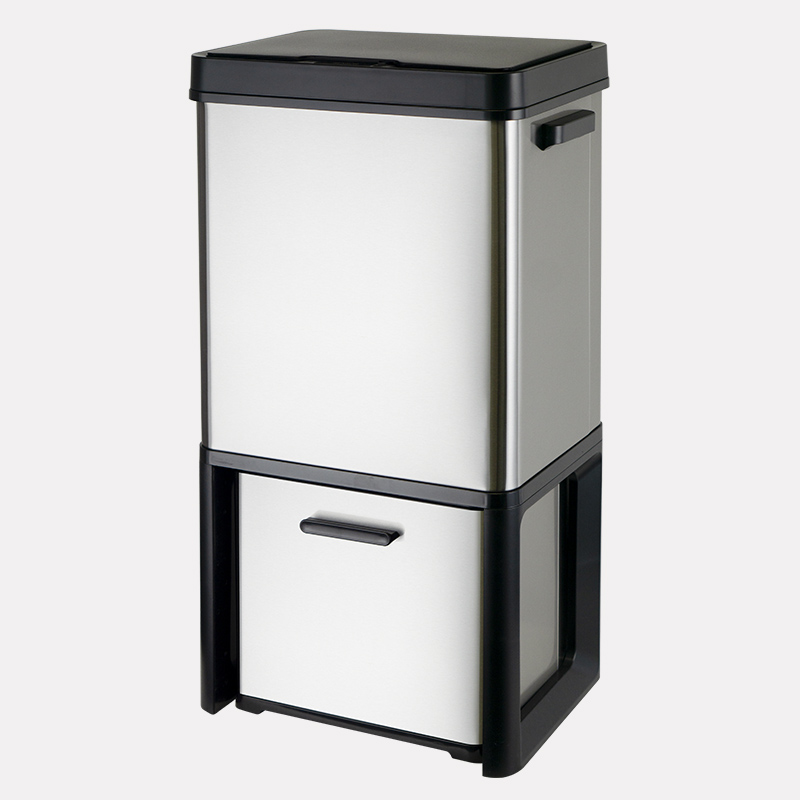
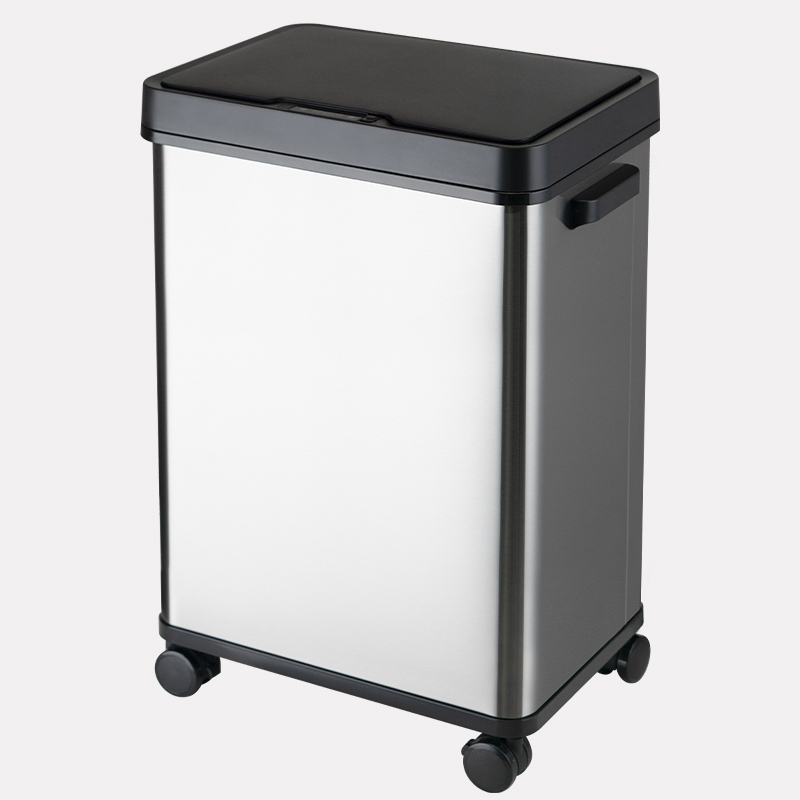
A stainless steel body is a strong choice for a premium sensor bin because it is durable, easy to clean, and visually suitable for modern interiors. It also gives the product a more refined look compared with many plastic-only bins.
For kitchen and bathroom use, stainless steel offers several advantages:
Easy surface cleaning
Better resistance to daily stains
More premium appearance
Stronger retail shelf appeal
Better fit with modern home appliances
Suitable for private label product lines
For B2B buyers, material choice directly affects product positioning. A stainless steel sensor bin can usually be marketed as a higher-value home product rather than a basic waste container.
Make Sure the Size Fits Real Rooms
A sensor bin should not take up too much floor space. Many consumers live in apartments, compact homes, or offices where space is limited.
A slim body design can make the product more flexible. Some Hi-Na Lifestyle smart sensor bin models support a slim width of 25 cm, making them easier to place beside cabinets, near kitchen counters, in bathrooms, beside desks, or in narrow corners.
For product listings, this is a strong selling point because “space-saving” is a common search and purchase motivation. A slim sensor bin can appeal to consumers who want a modern trash can but do not have room for a bulky design.
Battery Power Makes Placement More Flexible
A dry battery-powered hands-free sensor bin does not need to be connected to a power outlet. This makes it easier for users to place the bin wherever they need it.
Cordless placement is useful in:
Kitchens without nearby outlets
Bathrooms
Offices
Laundry rooms
Bedrooms
Pantries
Hotels
Rental apartments
For consumers, battery power means convenience. For B2B buyers, it reduces installation concerns and makes the product easier to sell across different usage scenarios.
When choosing a sensor bin for retail or wholesale, cordless operation is often more flexible than plug-in designs.
Buyer Checklist: What to Look for in a Hands-Free Sensor Bin
Before choosing a hands-free sensor bin for your product line, check whether the product offers the right combination of function, design, and usability.
A strong sensor bin should include:
Hands-free automatic opening
Adjustable sensing distance
Sliding lid or odor-conscious lid structure
Smart stay-open function
Automatic closing
Odor control function such as ozone deodorization
Easy-to-clean stainless steel body
Slim design for narrow spaces
Battery-powered cordless placement
Stable lid movement
Clean appearance for modern interiors
OEM/ODM customization options
Reliable quality control and testing support
For B2B buyers, this checklist can help compare different sensor bin suppliers more efficiently.
Why B2B Buyers Should Work with an OEM/ODM Sensor Bin Manufacturer
For importers, distributors, retailers, and private label brands, choosing the right supplier is just as important as choosing the right product.
A professional OEM/ODM sensor bin manufacturer can support:
Product function customization
Logo and packaging customization
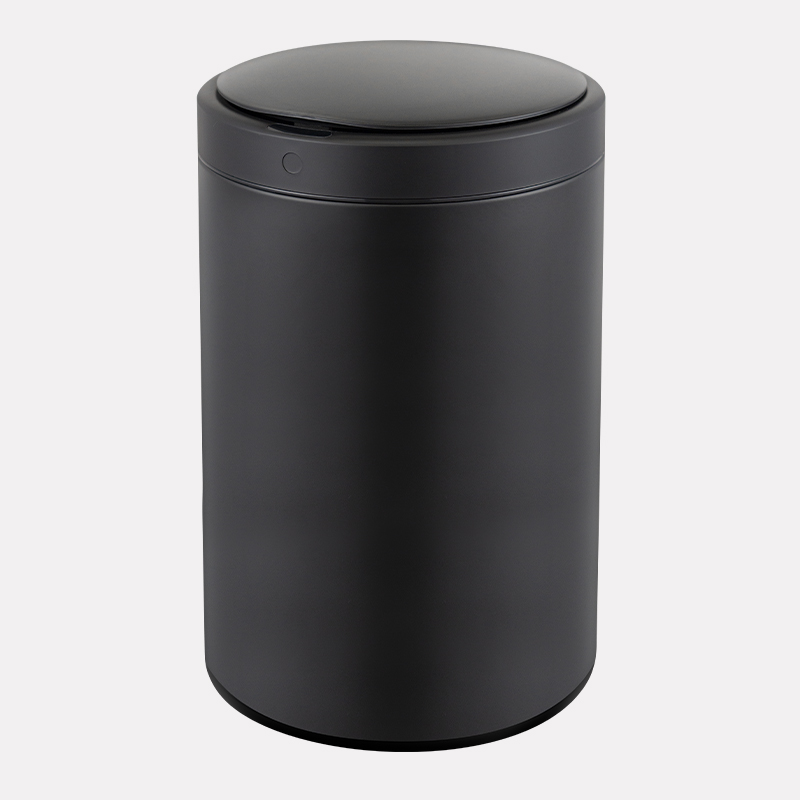
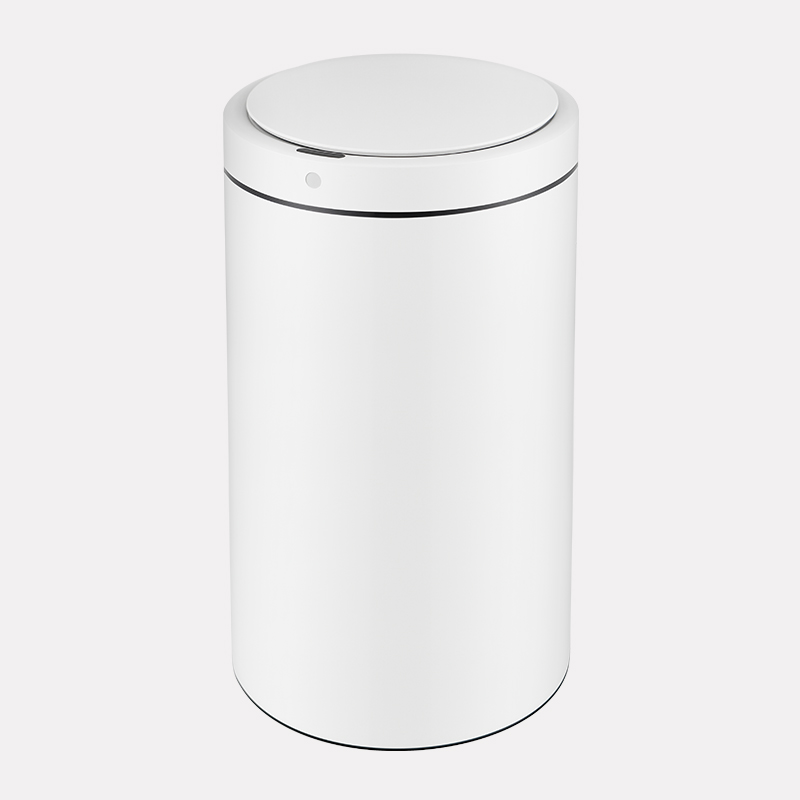
Color and material options
Capacity and structure development
Market-specific product positioning
Quality inspection and testing
Long-term product line planning
Hi-Na Lifestyle specializes in smart sensor trash can development and manufacturing. Our product range includes smart trash cans, dustbins, and open-top waste bins in different shapes and capacities. We support global customers with R&D capability, OEM/ODM service, production experience, and quality control from raw materials to finished products.
For buyers looking to build or expand a smart home waste bin product line, working directly with a manufacturer can help improve flexibility, consistency, and product differentiation.
Common Questions About Choosing a Hands-Free Sensor Bin
Q: What is the best hands-free sensor bin for kitchens?
The best hands-free sensor bin for kitchens should include automatic opening, odor control, a closed lid, easy-clean materials, and enough capacity for daily food waste. A sliding lid and ozone deodorization can provide stronger odor-control performance.
Q: Is a hands-free sensor bin suitable for bathrooms?
Yes. A hands-free sensor bin is suitable for bathrooms because it reduces hand contact and improves hygiene. A slim stainless steel body is especially useful in bathrooms where space is limited.
Q: Why does adjustable sensing distance matter?
Adjustable sensing distance helps prevent false triggering. Users can choose a shorter or longer sensing range depending on whether the bin is placed in a walkway, beside a counter, or near a desk.
Q: Is a sliding lid better than a flip lid?
A sliding lid can help reduce air movement during opening and closing, which may help limit odor diffusion. It also gives the bin a more modern appearance and can be more suitable for compact spaces.
Q: What is the benefit of ozone deodorization in a sensor bin?
Ozone deodorization helps reduce unpleasant odor inside the bin. It is especially useful for kitchen waste, bathroom waste, seafood scraps, onion, leftovers, and other odor-causing materials.
Q: Should I choose a battery-powered sensor bin?
A battery-powered sensor bin is convenient because it does not require a power outlet. Users can place it in kitchens, bathrooms, offices, bedrooms, hotels, or narrow spaces without cable limitations.
Q: Can hands-free sensor bins be customized for private label brands?
Yes. Hi-Na Lifestyle supports OEM/ODM customization for hands-free sensor bins, including appearance, function, logo, packaging, material, and product positioning.
Conclusion: Choose a Sensor Bin That Solves Real Daily Problems
A hands-free sensor bin should do more than open automatically. The best products solve real daily problems: they reduce hand contact, control odor, fit different room layouts, save space, and look good in modern interiors.
For kitchens, bathrooms, and offices, key features to consider include adjustable sensing distance, a sliding lid, ozone deodorization, stainless steel construction, slim body design, smart stay-open operation, and cordless battery power.
For B2B buyers, these features also create stronger product differentiation and better sales storytelling.
Looking for a hands-free sensor bin manufacturer for your next product line?
Hi-Na Lifestyle develops and manufactures smart sensor trash cans for global importers, distributors, retailers, and private label brands. If you need OEM/ODM support for hands-free sensor bins, ozone deodorizing trash cans, or stainless steel smart trash can projects, contact our team for product options, customization details, and quotation support.