当社の本社は中国広東省にあり、2015年から国内市場(10.00%)、欧州(40.00%)、米国(10.00%)、日本(10.00%)に販売しています。

 著者
A restaurant can clear the dining room and still lose the sense of freshness at the pass, prep bench, or dish return. Food waste has its own clock: peelings, scraps, soaked paper, and packaging begin to announce themselves when they sit too long. A better bin helps, but the useful question is narrower: how can a restaurant contain the short period between disposal and removal without making a busy shift slower?
Restaurant odor control starts with waste timing. Warm, wet food residue, liquid leaks, and repeatedly opened lids give odor a route into the work area. A container cannot make food waste harmless, yet it can reduce how long smells are exposed while staff finish a task, clear a station, or wait for the next scheduled removal.
The useful operating picture is a small one: what enters the bin, how often the lid opens, and when the liner leaves. That is why モーションセンサー付きゴミ箱 belong in a wider routine instead of being treated as a standalone fix. The goal is to keep the disposal point easy to use while preventing old residue and loose liners from becoming the shift’s lingering problem.
High-moisture scraps such as vegetable trim, sauces, and soaked napkins.
Busy moments when several people discard waste in the same few minutes.
Stations where a full liner may wait because no clear handoff exists.
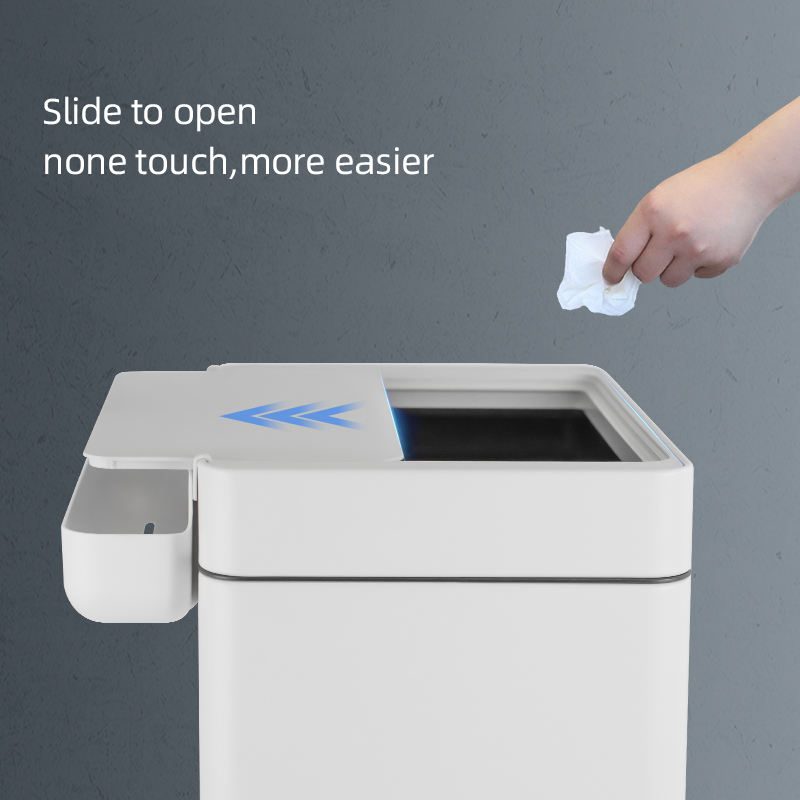
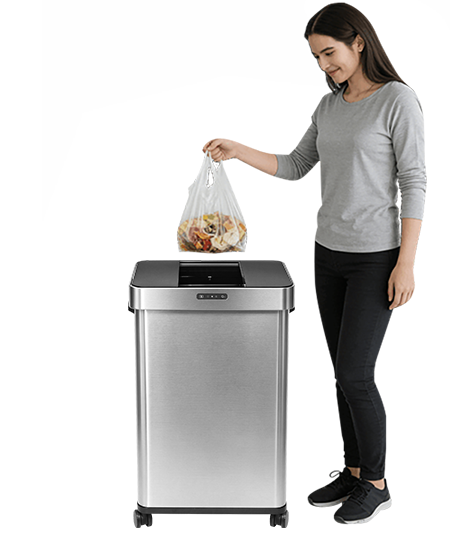
A lid is most helpful when it closes consistently after each use. An open container leaves odor and visual clutter present at the station; a lid that returns to its closed position creates a smaller exposure window between disposals. For a 非接触式キッチンゴミ箱 used near prep or dish handling, the practical benefit is that staff do not need to touch a lid just to keep that routine moving.
This does not make a bin an air-treatment system. Kitchen ventilation, cleaning, waste separation, and timely liner removal still carry the main workload. What a センサー ゴミ箱 can do is make the preferred behavior easier to repeat: dispose, let the lid close, and move on without leaving the container propped open during ordinary tasks.
|
Workstation condition |
Likely odor-control effect |
Operational response |
|---|---|---|
|
Lid left open during prep |
Odor can spread for longer |
Use a close-after-use setting and clear the station at shift changes |
|
Wet waste held in a loose liner |
Leaks and residue increase |
Secure the liner and remove it on a defined cadence |
|
Bin is too small for a rush |
Overflow delays removal |
Match capacity to the station’s busiest interval |
A workable routine makes the correct action the quickest action. Put the bin close enough to the waste source that staff will use it, but leave enough clearance for the lid and for a liner change. Set responsibility for end-of-shift cleaning, and give the busiest station a removal trigger before waste reaches the rim. Those choices matter more than adding decorative features.

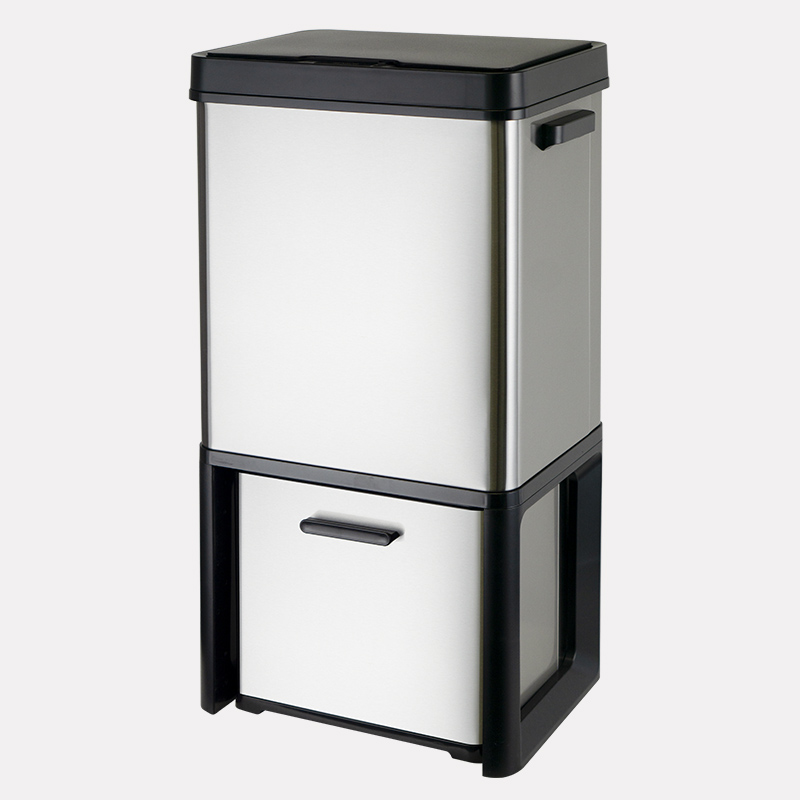
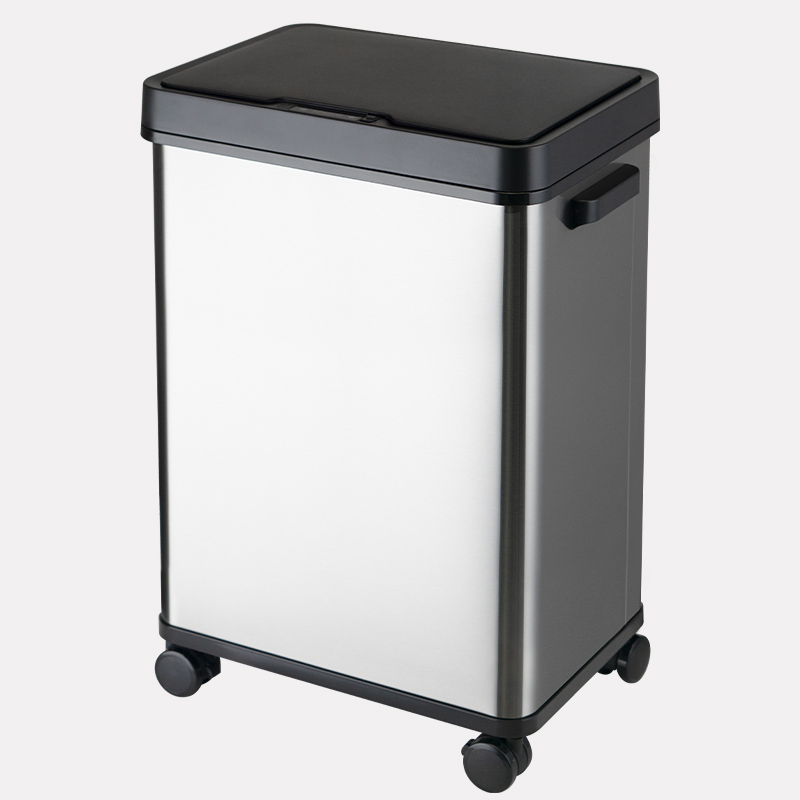
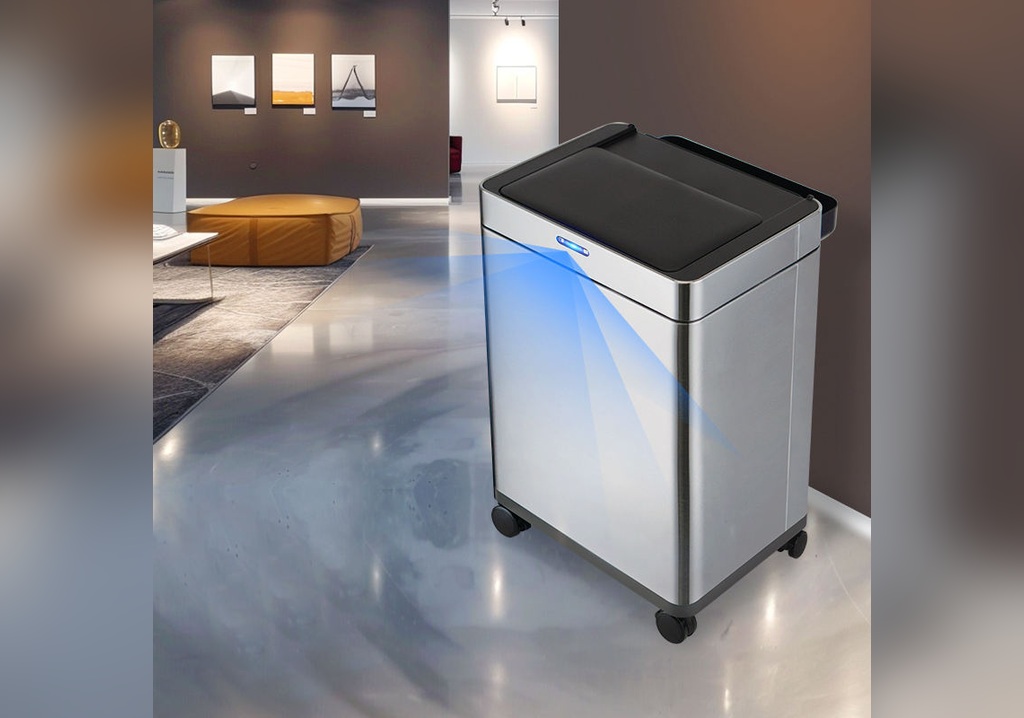
Capacity and movement should follow the way a station works. A motion sensor stainless steel trash can may suit a fixed prep or dish area when its footprint, lid clearance, and liner access fit the traffic pattern. A large container that blocks a turn is no help; a small one that fills before the rush ends simply moves the odor problem somewhere else.
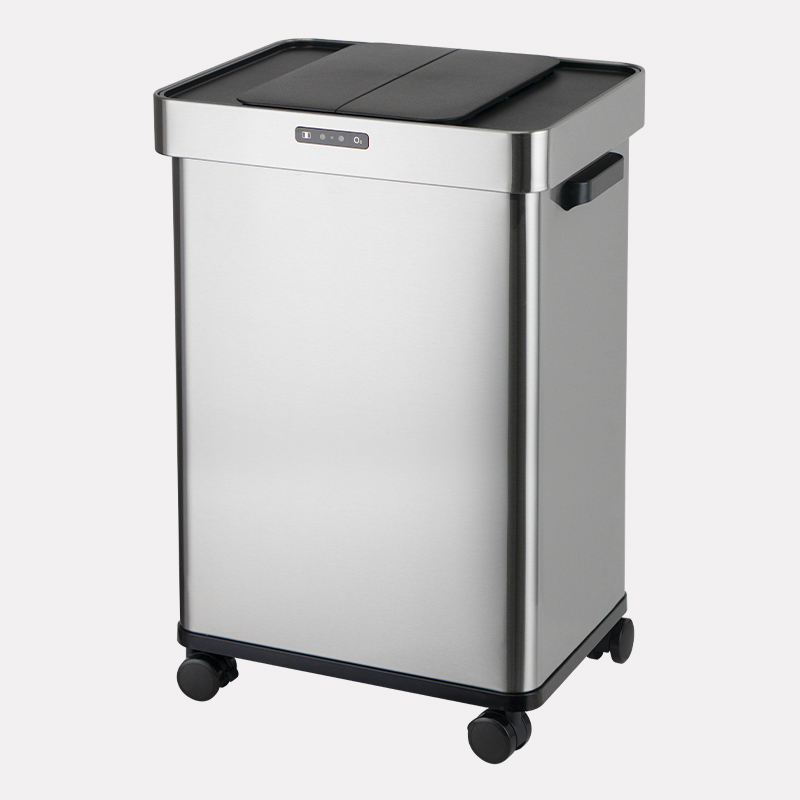
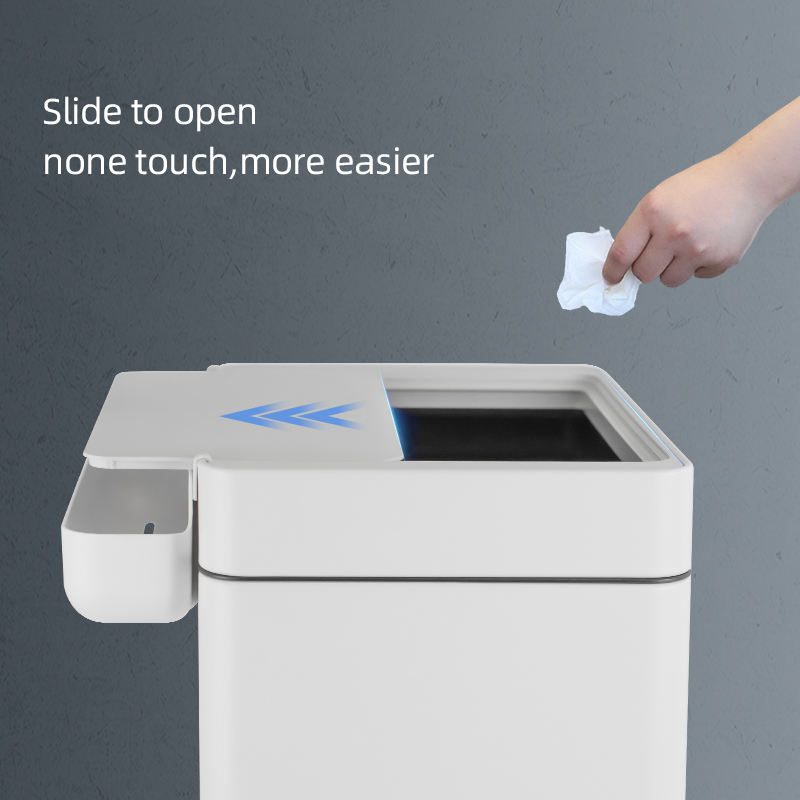
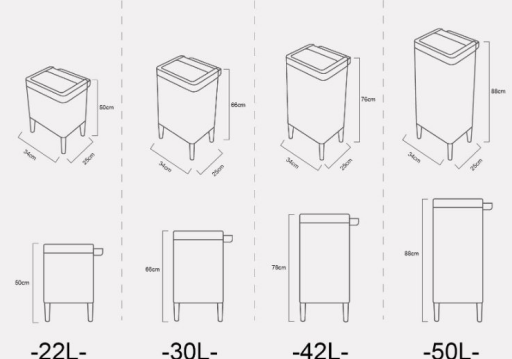
For operators who need a sliding-lid format, Hi-na Lifestyle offers the HN-ZT-W in 22 L, 30 L, 42 L, and 50 L capacities. Its stainless-steel and ABS construction, quiet sliding lid, integrated garbage-bag storage box, caster wheels, and four operating modes are useful only when they reduce friction in that specific workflow. It uses six AA alkaline batteries, with an expected 4-6 month battery life under normal use.
An automatic trash bin can also be judged by turnover rather than novelty. Staff should be able to remove a full liner, clean the contact surfaces, return the liner, and resume service without awkward reaching or repeated lid handling. Optional odor-control features deserve the same practical test: they should support a clean, ventilated waste routine, never replace it.
A lid motion that closes without needing a hand on the cover.
Liner retention that keeps the bag edge controlled during busy use.
Mobility only where moving the bin improves cleaning or station resets.
Cleaning is what prevents yesterday’s residue from defeating today’s setup. Wipe the lid edge and bin rim, inspect the liner area for spills, and remove any food residue that has collected outside the bag. A touchless kitchen trash can still needs this attention because touchless opening changes lid handling, not the nature of food waste.
The most useful review point is the moment after a rush. If staff can close the bin, change the liner, and restore the station without a detour, the system is doing its job. If they begin leaving the lid open or stacking waste beside it, the capacity, placement, or service cadence needs adjustment before odor becomes the visible complaint. A well-placed automatic trash bin makes that discipline easier to maintain.
Restaurant odor control is built from short exposure times, reliable liner changes, clean contact surfaces, and ventilation that suits the kitchen. Sensor-operated lids can support that pattern by making close-after-use behavior easy, but the real result comes from a routine the team can keep during its busiest hour. Select the bin around station flow, then manage the waste stream with the same discipline as any other back-of-house task.
Planning a sensor-bin order for restaurant use? Hi-na Lifestyleへのお問い合わせ to discuss station layout, capacity, and lid clearance for HN-ZT-W or another selected model before ordering.
No. It can reduce the time waste is exposed after disposal, but cleaning, ventilation, liner changes, and waste removal remain essential.
Place it near the waste source without blocking traffic, lid movement, handwashing access, or the route used for liner removal.
Set the cadence around waste type, volume, temperature, and local operating rules. Change sooner whenever a liner leaks, fills, or leaves residue.
It supports the routine when staff are more likely to let the lid close after each use. It does not replace cleaning or ventilation.
Use the busiest disposal interval as the reference. The right capacity holds expected waste without overflow, but remains easy to clear and clean.
次の表に記入してください。できるだけ早く返事します。