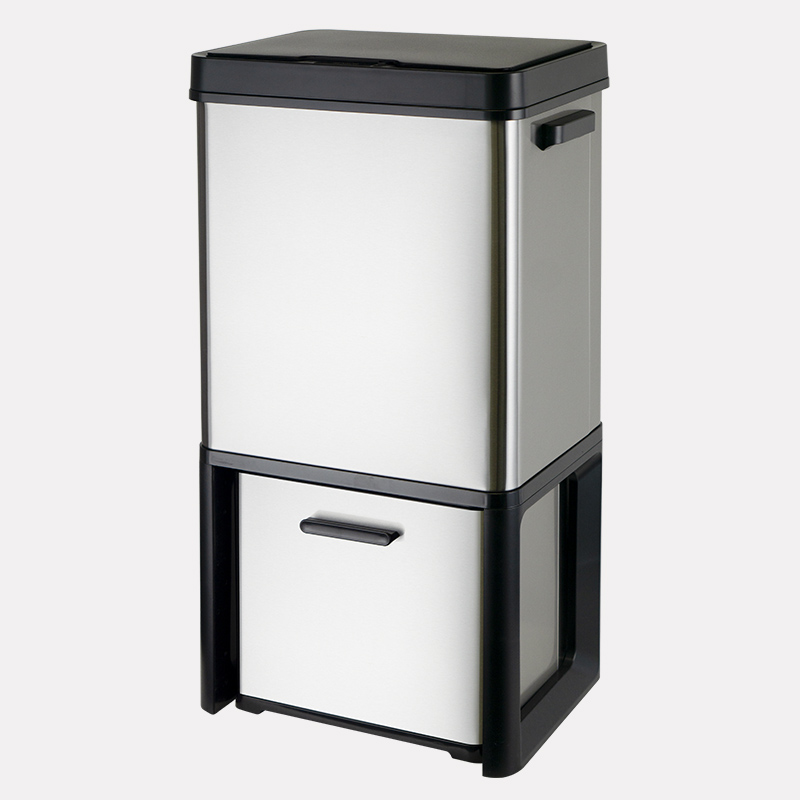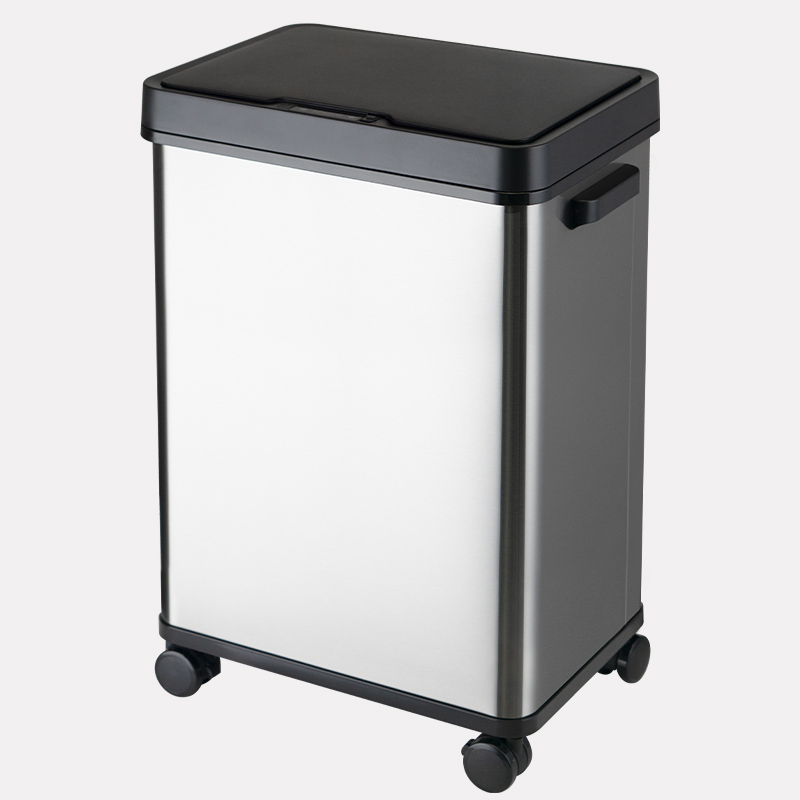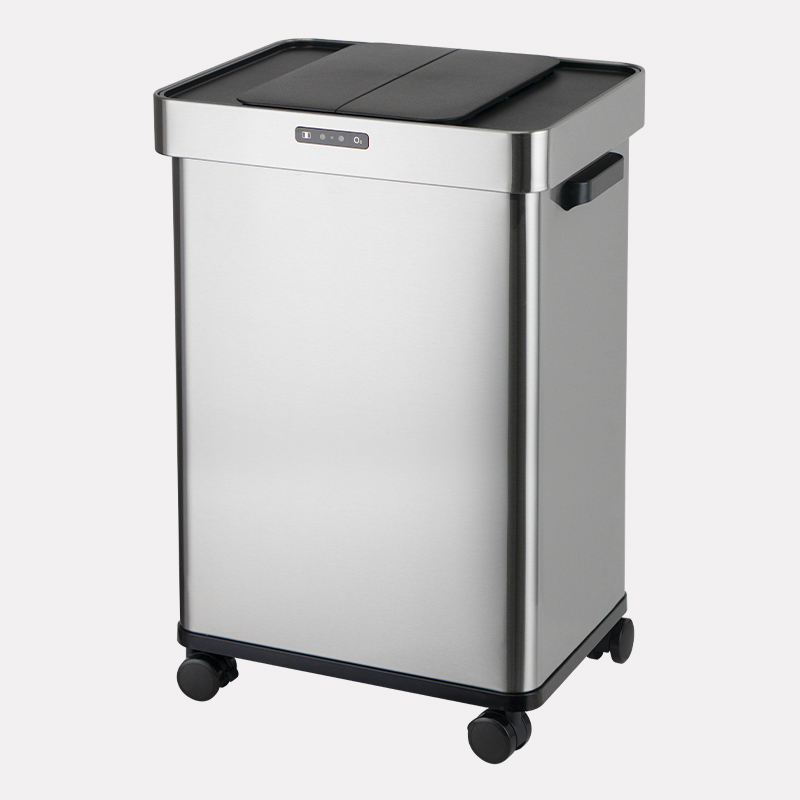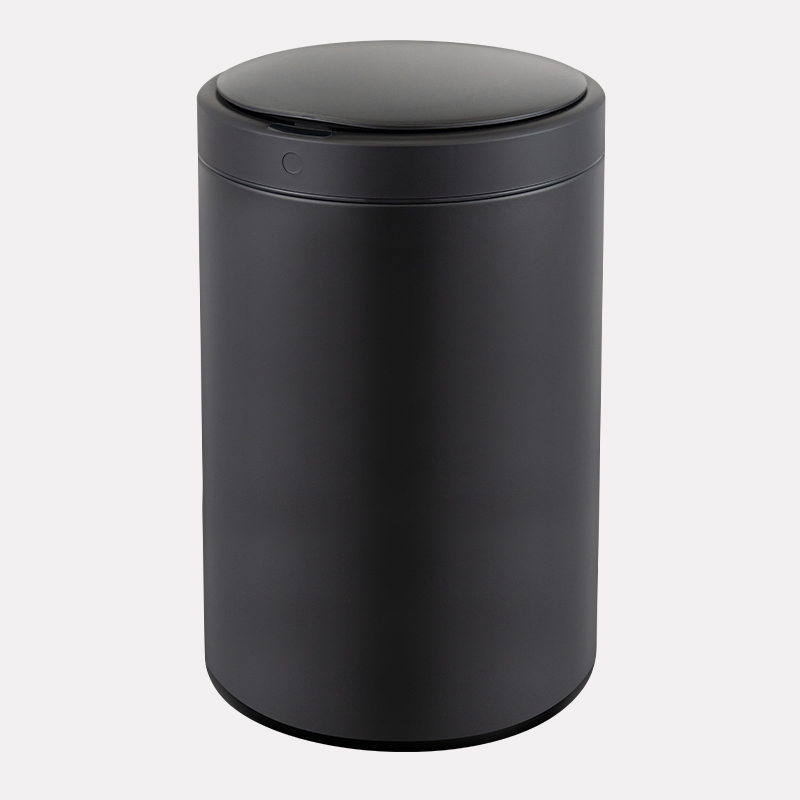
当社の本社は中国広東省にあり、2015年から国内市場(10.00%)、欧州(40.00%)、米国(10.00%)、日本(10.00%)に販売しています。

 著者
A missed battery check can look like a failed sensor: the lid stays closed, and the unit is taken out of service. The avoidable causes are often at the battery compartment itself. Use the specified cells, fit the complete set in the marked direction, and remove it when the bin will sit idle. Set the replacement cycle only after those basics are under control.
The 4–6 month life guidance from Hi-na is broad: it gives no model name or test conditions. Use it to frame an initial pilot, not as a promised runtime. HN-ZH is specified for six AA alkaline cells. That tells a buyer what one replacement set contains; it does not say how long that set lasts in a given facility.
Read the plus and minus marks for each slot before inserting a cell. In the layered compartment described by Hi-na, the lower row points in one direction and the upper row in the opposite direction. The printed marks on the bin are the final check, since a different model may arrange its cells differently. A quick visual check can catch a reversed cell before the lid is put into service.
When the set runs down, remove all of its cells and install a complete, matched set. Do not combine fresh cells with partly used ones or mix brands and types. Hi-na’s instructions warn that mismatched batteries can leak, overheat, or damage the product. If the model specifies AA alkaline batteries, keep to that chemistry instead of substituting rechargeable or carbon cells.
Write the model and cell type on the service record, together with the installation date and location. At the next change, replace the whole set and log that date as well. The record then describes a complete interval for one model, rather than an unclear mix of partial replacements.
The HN-ZT-W specification also lists six AA alkaline cells. Keep that count with the linked HN-ZT-W motion sensor trash bin model, and check HN-ZH separately; a shared cell count does not establish a shared runtime.
If the lid does not respond after a replacement, check that every cell matches the polarity marks and sits firmly against its contacts. Hi-na’s setup guidance also recommends looking for dust and wiping the compartment with a dry, soft cloth. These checks help distinguish a fitting problem from a genuinely short interval.

For storage or any long shutdown, take all cells out of the bin. Hi-na’s operating instructions call for timely removal because a leaking battery can corrode the compartment and internal parts. Leaving one used cell inside is not a useful way to preserve a future set.
When the bin is returned to service, inspect the empty compartment first. If it is clean and undamaged, install the model’s full specified set and check the polarity again before use. Do not assume cells left in an idle unit are ready for the next shift; follow the battery maker’s directions for any removed cells.
Store spare and removed batteries as their manufacturer directs. If a cell has leaked or the compartment is damaged, stop before inserting replacements and follow Hi-na’s service guidance. A fresh set will not correct a damaged contact or compartment.

The 4–6 month figure is a starting assumption only because it is not tied to HN-ZH or a stated use pattern. A pilot should track complete set changes on the same model and configuration. If the interval differs by location, keep those records separate until the operating conditions can be compared.
For HN-ZH, six cells per set and a pilot-confirmed 4–6 month interval would mean two or three sets per year, or 12–18 AA cells per bin. That is a calculation from the cell count and assumed interval, not a measured result. Use the observed interval if the pilot produces a different replacement pattern.
For a multi-unit order, multiply the model’s verified cells per set by the number of units and the number of full-set changes seen in a year. A distributor planning for a fleet of HN-ZT sensor trash bins should keep the estimate model by model and allow for the time needed to replenish stock.
For example, ten HN-ZH units would call for 120–180 AA cells annually only if each pilot unit confirms two or three complete set changes. The range is a planning example: ten units multiplied by six cells and two or three yearly changes. Replace the assumption with service records before making a recurring order.
Test the model and battery configuration intended for the site. Record each full-set date, operating mode, shift, and location; a buyer assessing an HN-ZK smart sensor trash bin can then compare similar units rather than treating one early replacement as the standard for an entire fleet.
When one unit changes sooner, check its installation, set matching, compartment, and configuration before revising the schedule. Ask the supplier for the model and test conditions behind any stated runtime. A useful service interval is the one the pilot supports under the intended operating pattern.
The actions at the unit are straightforward: follow the polarity marks, use the specified battery type, replace the entire set, and remove cells during long storage. For HN-ZH, six AA cells are specified; its actual replacement interval still needs to be measured at the site. Use that evidence for the maintenance round and annual stock plan.
For a commercial rollout, Hi-na Lifestyle can confirm the battery set for the selected model and clarify any model-specific runtime information.
Planning a commercial sensor bin order? Hi-na Lifestyleへのお問い合わせ to confirm the battery requirements for HN-ZH or another selected model before ordering.
Hi-na gives a general 4–6 month planning range, but it is not named as an HN-ZH test result. Confirm the interval for the chosen model and site conditions.
HN-ZH is specified for six AA alkaline cells. Confirm the battery type and full-set count for the exact model, then follow its polarity marks.
The available information does not give a fixed relationship between opening frequency and battery life. Compare full-set change dates for the same model under similar conditions.
If a pilot confirms two or three HN-ZH set changes a year, six cells per set works out to 12–18 AA cells per bin. Recalculate from the actual interval if the pilot differs.
Remove the complete set during long storage to limit leakage-related corrosion. Before restarting the bin, inspect the compartment and install the specified cells in the marked direction.
次の表に記入してください。できるだけ早く返事します。