How Do Sensor Bin OEM Manufacturer China Solutions Transform Sustainable Kitchen Waste Handling
著者
9th 7月 2026
導入
Current commercial kitchens face increasing pressure to handle waste efficiently, hygienically, and in alignment with sustainability standards. From restaurants to large catering facilities, automated waste systems have become essential infrastructure. A sensor garbage can with a sliding lid structure is no longer a convenience product but a core hygiene and operational component in modern kitchens. Instead, it serves as a vital tool for food safety and meeting green rules, particularly in kitchens aiming for LEED certification.
What Is Bin Sensor Technology in Commercial Kitchen Environments?
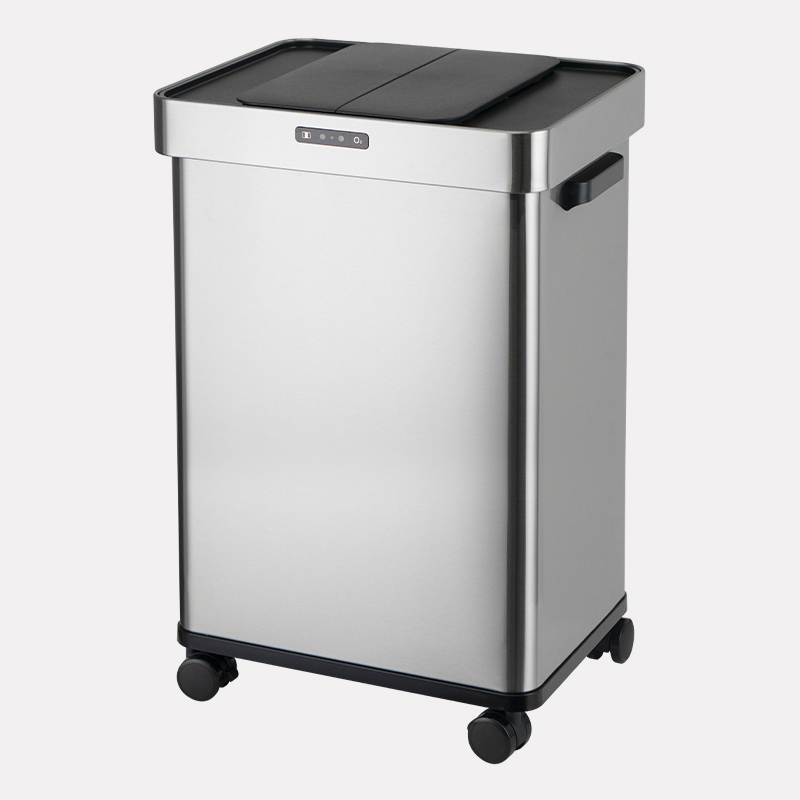
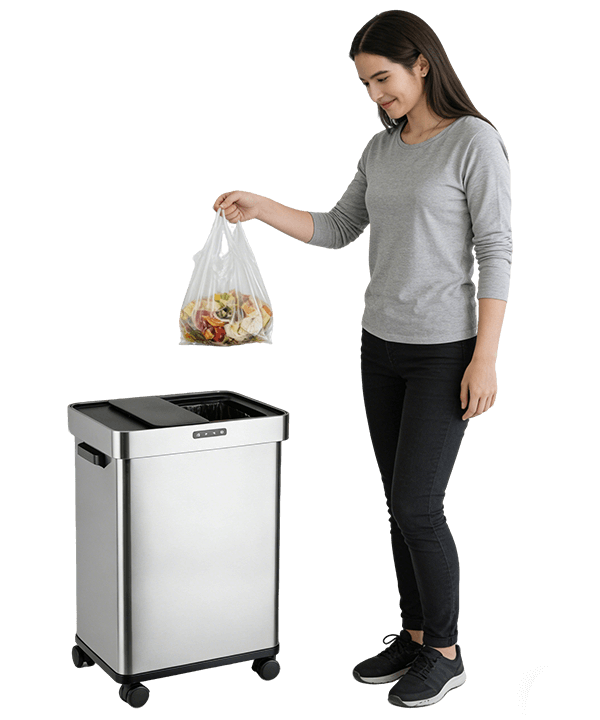
The core of bin sensor technology is built on infrared induction modules, low-power control systems, and a sliding motor-driven lid mechanism. In Hi naライフスタイル’s engineering system, the lid operates through a silent sliding motion rather than a simple flip-open structure, improving durability and noise control in commercial kitchens. These parts work together to react to movement without any physical touch. In a standard sensor garbage can, the infrared eye spots a hand or an object nearby. It then triggers a quiet motor to lift the lid automatically.
In a busy kitchen, this setup removes the need to touch the bin with dirty hands. This helps stop grease from spreading and keeps bacteria from moving between surfaces. The main benefit of this bin sensor technology is its toughness. It stays reliable even when used hundreds of times a day in high-volume food prep areas.
How Does Rectangular Sensor Design Improve Kitchen Efficiency?
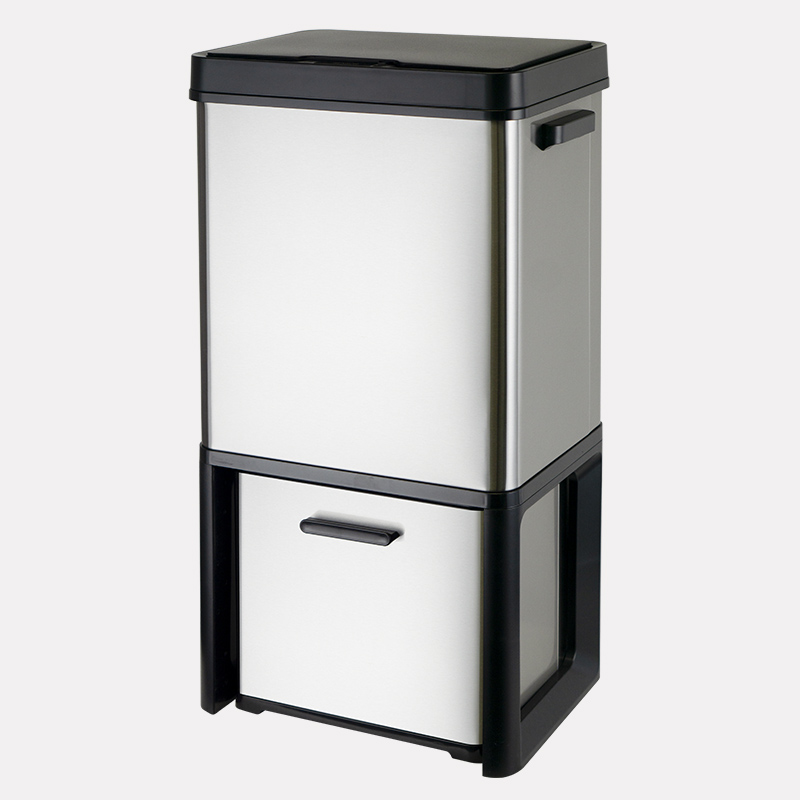
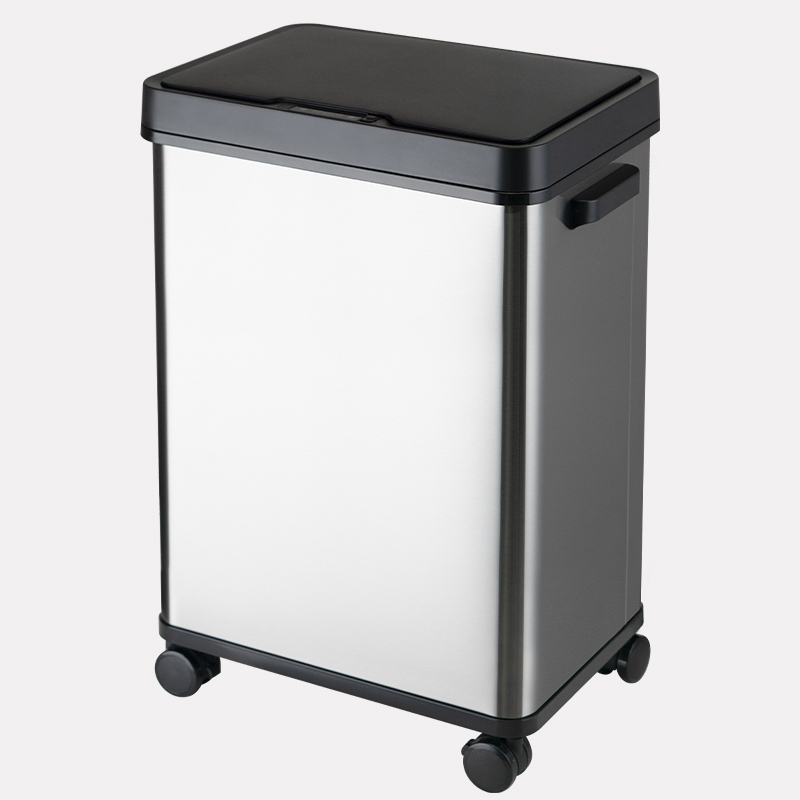
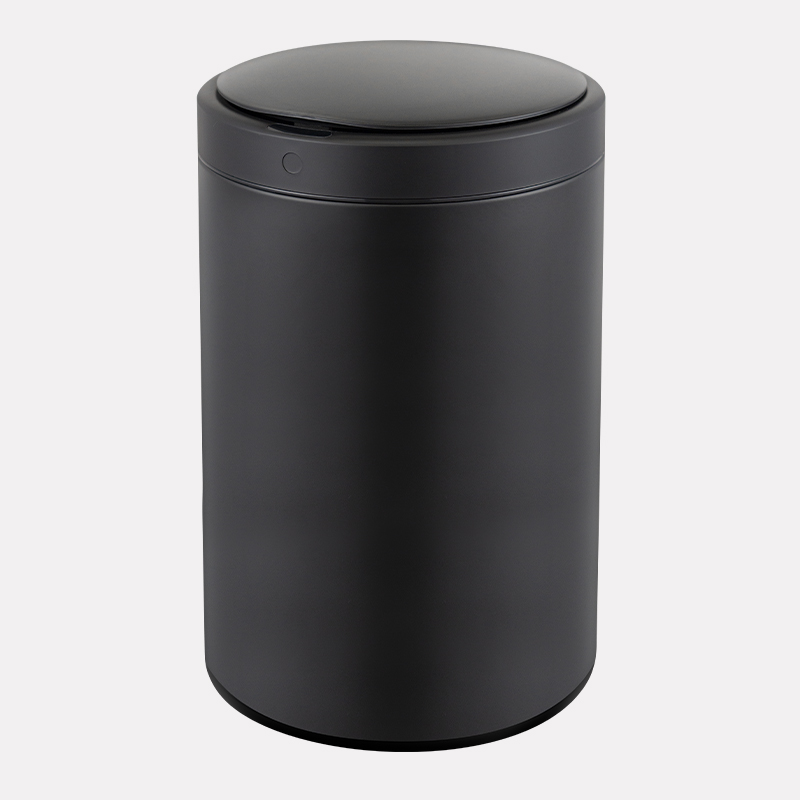
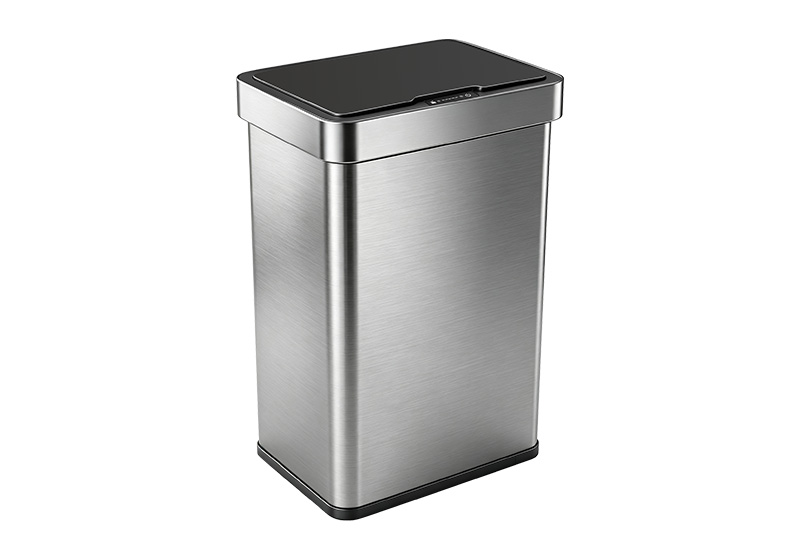
Many professional kitchens prefer a rectangular sensor structure because it integrates seamlessly into wall corners, service counters, and dishwashing zones. The rectangular sliding sensor bin design improves spatial efficiency while supporting higher-frequency waste disposal in commercial workflows. Unlike round containers, the rectangular sensor shape saves valuable floor space. It also helps staff organize waste sorting more effectively.
For B2B buyers, the auto lid dustbin for kitchen system uses infrared-triggered sliding lid technology, enabling touchless waste disposal without interrupting food preparation. The sealed sliding structure also helps reduce odor leakage and minimizes pest attraction in high-temperature kitchen environments. This specific shape is very helpful in hotel kitchens and big dining halls where every second of movement matters for service speed.
Why Do Commercial Kitchens Prefer Auto Lid Dustbins for Kitchen Systems?
The auto lid dustbin for the kitchen is built to keep things clean during non-stop food handling. Since no one needs to touch the lid, grease does not build up on the outside of the bin. This solves one of the biggest cleaning headaches in professional cooking spaces.
Furthermore, the tight seal of the lid keeps bad smells inside and stops pests from coming around. Flies and other bugs find it much harder to get to the waste when the lid shuts tight right after use. This leads to better scores during health inspections in strictly managed food zones.
How Does Sensor Garbage Can Support Sustainable Kitchen Certification?
Green building rules like LEED look for clear proof of waste management success. A sensor garbage can helps meet these goals by encouraging better waste sorting and lowering the chance of cross-contamination. It also helps a facility earn higher marks for operational hygiene.
Many building managers now include these smart bins in their green audits. The steady closing action of bin sensor technology stops too much air from moving in and out of the bin. This keeps the kitchen air fresher and lowers the risk of spreading germs to other areas.
What Should You Know About Battery Performance and Installation?
Battery life is a major factor for any sensor garbage can used in a business. Knowing the correct way to put batteries in is vital for the sensor to work accurately. It also affects how fast the lid moves and how long the bin lasts. In a normal commercial setting, AA alkaline batteries are required for stable operation, and each unit uses a 6-battery configuration system. Under standard commercial kitchen usage, the correct way to put batteries in ensures a stable service life of approximately 4–6 months, depending on activation frequency and environmental conditions.
If they are put in the wrong way, the lid might move slowly or not react at all. Checking the plus and minus ends is the correct way to put batteries in to ensure the motor gets steady power. This is necessary to keep the auto lid dustbin for the kitchen working perfectly in a busy environment.
How Do Sensor Systems Reduce Pest and Hygiene Risks?
A hidden but vital plus of these automated bins is better pest control. Old-fashioned bins with open lids attract bugs because the smell of food gets out. However, a sensor garbage can that seals quickly keeps odors trapped. This makes it much harder for pests to find a way in.
In the world of professional cooking, this helps the business stay compliant with health laws. Over a long period, having fewer pests means the business spends less money on deep cleaning and pest control services.
Why OEM and ODM Customization Matters in Kitchen Waste Systems
For global sellers and bulk buyers, partnering with a sensor bin OEM manufacturer in China offers great freedom. You can change the design, pick the right size, and add your own branding. These OEM and ODM services allow for unique rectangular sensor shapes and different metal finishes.
Beyond the look of the bin, manufacturers can help with custom logos and special packaging for private brands. This is a big advantage for B2B clients who supply large hotel chains or retail stores.
結論
Smart waste bins are changing the way professional kitchens handle trash, hygiene, and green goals. From the precision of bin sensor technology to the space-saving rectangular sensor shape, every part helps create a better workflow. As more businesses look for eco-friendly tools, these smart waste bins are becoming a must-have item rather than a luxury.
CTA
Contact Hi-na Lifestyle to develop sensor garbage can solutions for commercial kitchens, with OEM support, enterprise LOGO customization, stable supply, and export-ready quality control.
よくある質問
What is the correct way to put batteries in a sensor garbage can OEM system?
The correct way to put batteries in is to use fresh AA alkaline batteries and match the plus and minus signs inside the tray. This keeps the lid moving smoothly for many months.
How does bin sensor technology improve hygiene in kitchens?
By removing the need to touch the trash bin, bin sensor technology keeps hands cleaner. This stops the spread of germs and grease across the food prep area.
Why is rectangular sensor design preferred in commercial kitchens?
The rectangular sensor style is great for kitchens because it fits perfectly against walls. This saves space and keeps the floor clear for staff to move safely.
What makes the auto lid dustbin for kitchen systems suitable for B2B buyers?
An auto lid dustbin for the kitchen is perfect for B2B use because it blocks odors, stops pests, and makes cleaning easier. It is a smart choice for any professional food business.